




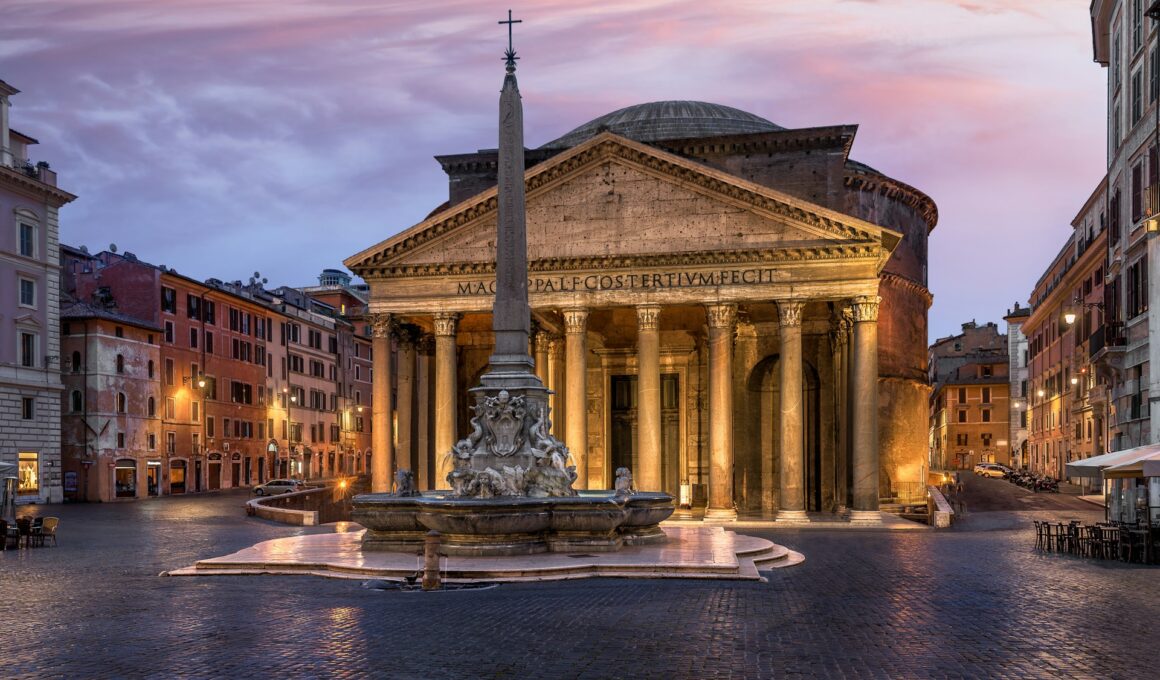
The Pantheon stands as the best-preserved building from ancient Rome, originally constructed as a temple dedicated to all the gods. It dominates the bustling Piazza della Rotonda in the heart of the historic city center. You can easily identify the structure by its massive granite portico columns and the immense concrete dome rising behind them.
You should visit to witness the world’s largest unreinforced concrete dome, an architectural marvel that has survived intact for nearly two thousand years. The interior houses the tombs of the Renaissance master Raphael and the first kings of unified Italy. A single beam of light streams through the central oculus, illuminating the vast circular space and the original marble floors below.
Did You Know?
Emperor Hadrian rebuilt the Pantheon around 126 CE and created a structure that still stands as the best preserved building from ancient Rome today.
History of the Pantheon
The Pantheon began as a Roman temple on this site in the 1st century BCE, commissioned by Marcus Agrippa. The building seen today was rebuilt under Emperor Hadrian around 126 CE after earlier structures were damaged. Hadrian kept Agrippa’s name on the front, linking the monument to Rome’s imperial past. This mix of layers already hints at its long and complex history.
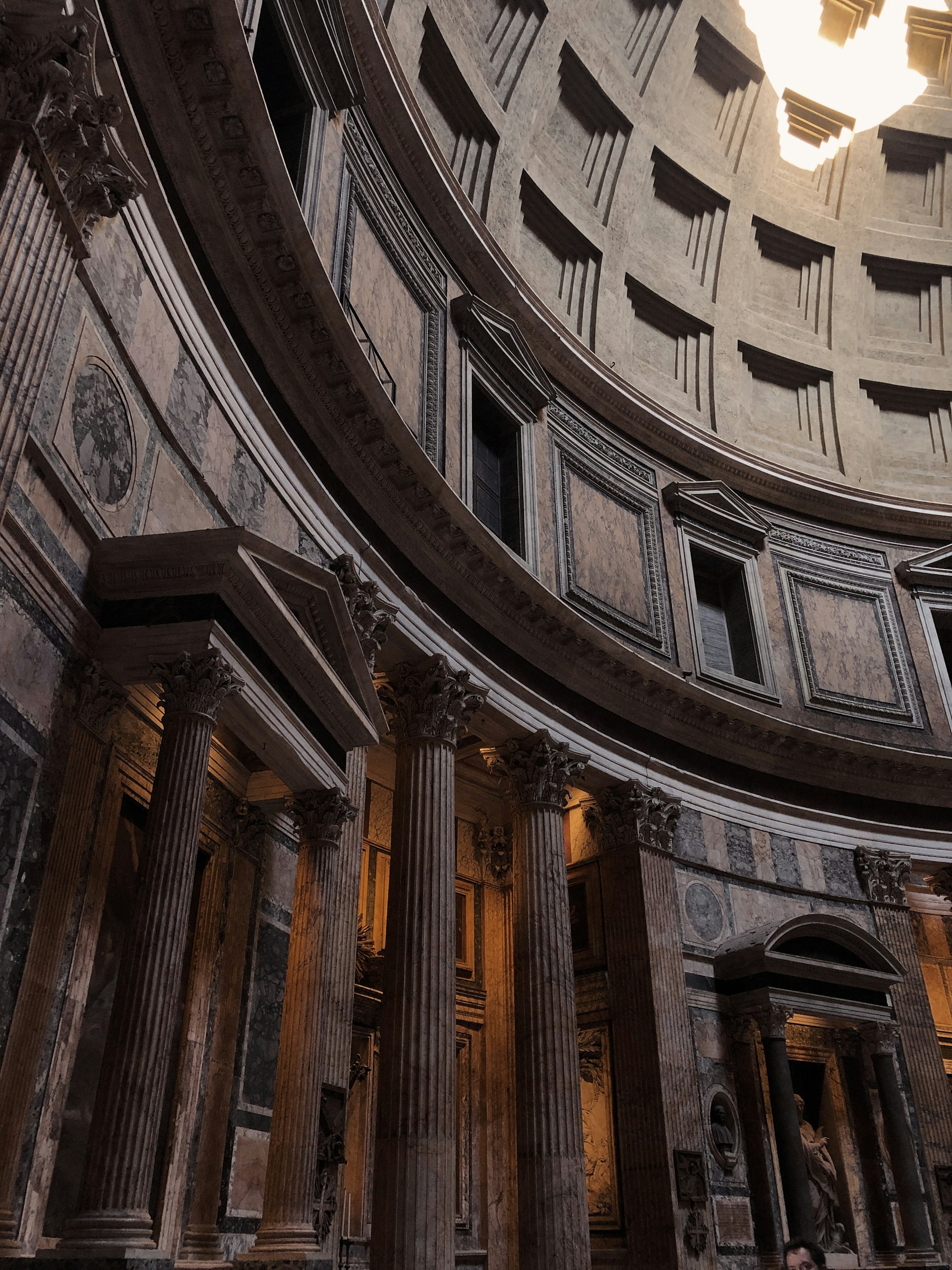
Originally dedicated to all the Roman gods, the Pantheon was designed as a powerful statement of empire and engineering. Its vast concrete dome, still the largest unreinforced concrete dome in the world, showed what Roman builders could achieve. The open oculus at the center of the roof is the building’s only source of light. It also symbolized the connection between the gods and the heavens.
In the 7th century, the Pantheon was converted into a Christian church, known as St Mary and the Martyrs. This change helped save it from destruction, as many other ancient buildings were stripped for materials. Over time, it became a place of burials, including the Renaissance artist Raphael and later Italy’s kings. The building remained in constant use, rather than becoming a ruin.
Today, the Pantheon stands as both an ancient monument and an active church in the heart of Rome. Its single, circular interior still feels remarkably complete and balanced. Architects have studied and copied it for centuries, from the Renaissance to modern times. For travelers, it offers a rare chance to step inside a space that has shaped architecture, religion, and daily city life for nearly 2,000 years.
Did You Know?
The Pantheon dome remains the largest unreinforced concrete dome on Earth and proves Roman engineers mastered scale balance and materials without steel support.
What to Expect
The Pantheon may look simple at first glance, but many of its most important details are easy to miss without knowing where to look. Taking note of what to see helps you understand why this ancient building is so remarkable and worth your time.
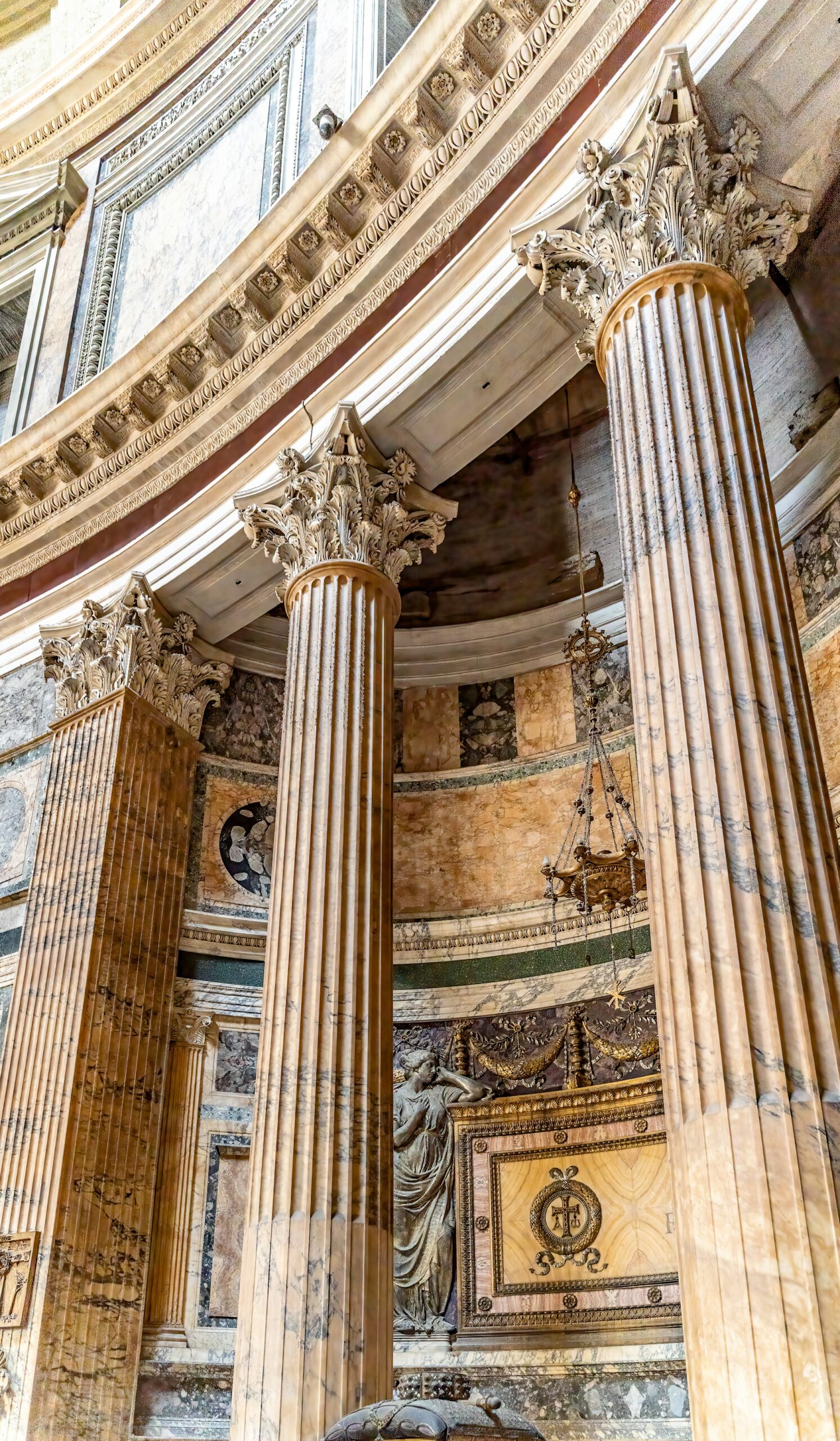
The Dome
The Pantheon’s concrete dome is the largest unreinforced dome in the world. It shows the technical skill of Roman engineers nearly 2,000 years ago.
The Oculus
The circular opening at the top of the dome is the building’s only source of natural light. Rain falls through it and drains away through hidden holes in the marble floor.
The Interior Space
The Pantheon is a single perfect circle designed with precise proportions. Standing at the center helps visitors understand how carefully the space was planned.
Raphael’s Tomb
The Renaissance artist Raphael is buried inside the Pantheon. His tomb links ancient Rome with later Italian art history.
The Portico and Inscription
The massive columns and bronze doors mark the original entrance to the temple. The inscription still names Marcus Agrippa even though Emperor Hadrian rebuilt the building.
Piazza della Rotonda
The square outside is one of Rome’s classic street scenes. Cafés and daily activity show how the Pantheon remains part of modern city life.
Did You Know?
A single circular room defines the Pantheon interior and creates a calm powerful space shaped by perfect proportions and controlled natural light.
Image Library
This image library brings together a complete visual overview of the Pantheon, from its monumental portico in Piazza della Rotonda to the vast interior beneath the dome. The photos highlight key features such as the oculus, marble floors, chapels, and architectural details that define the building’s character.
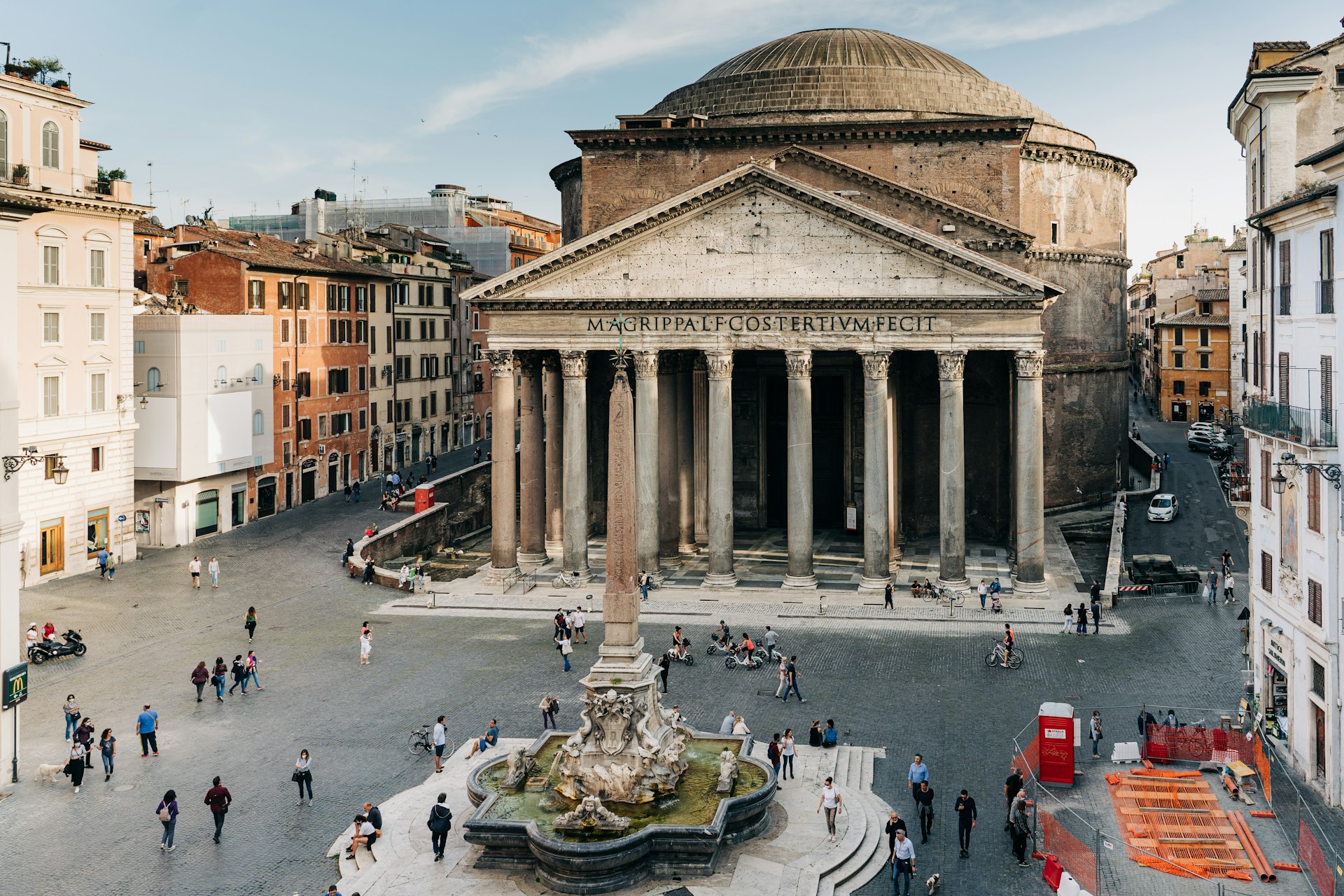
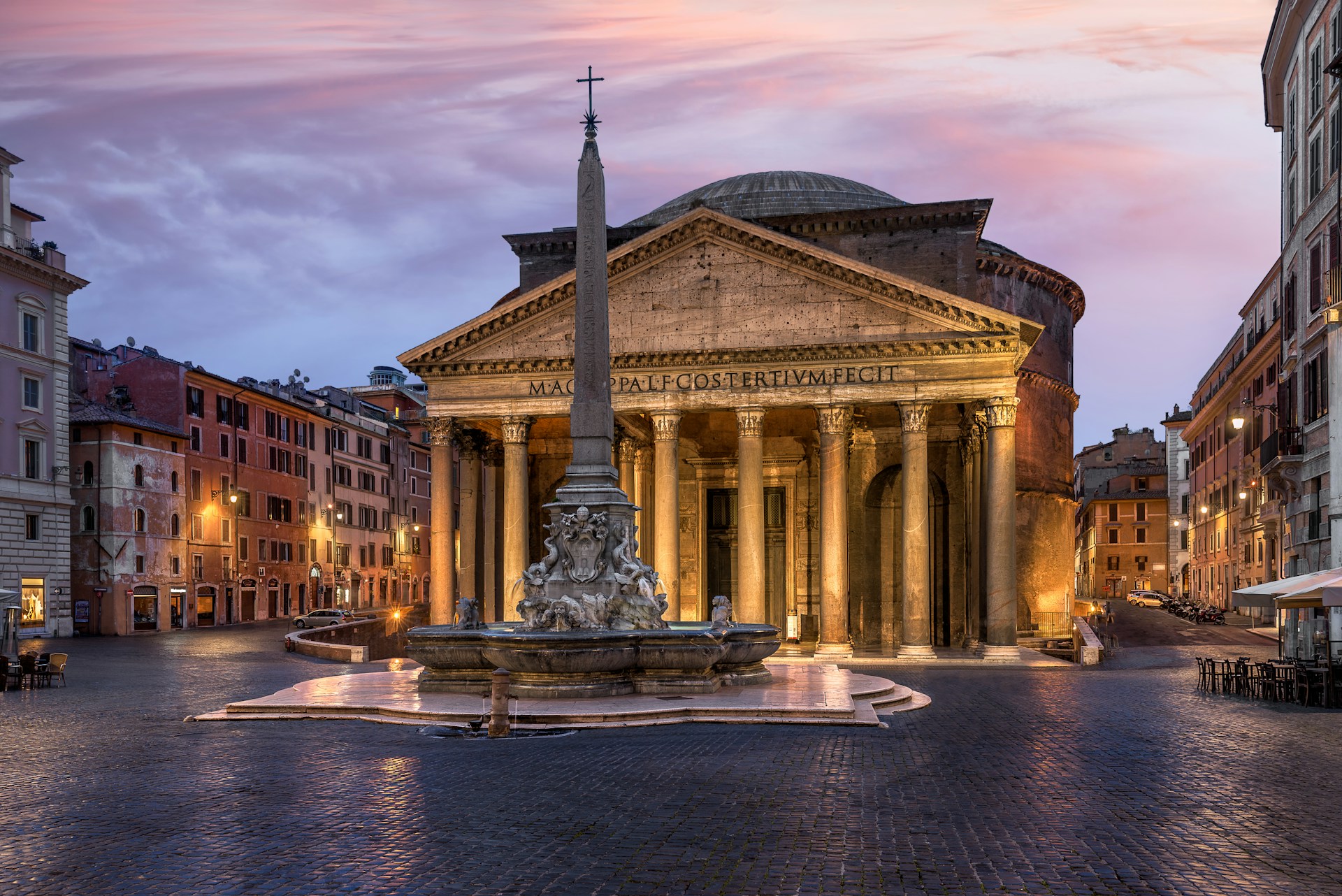
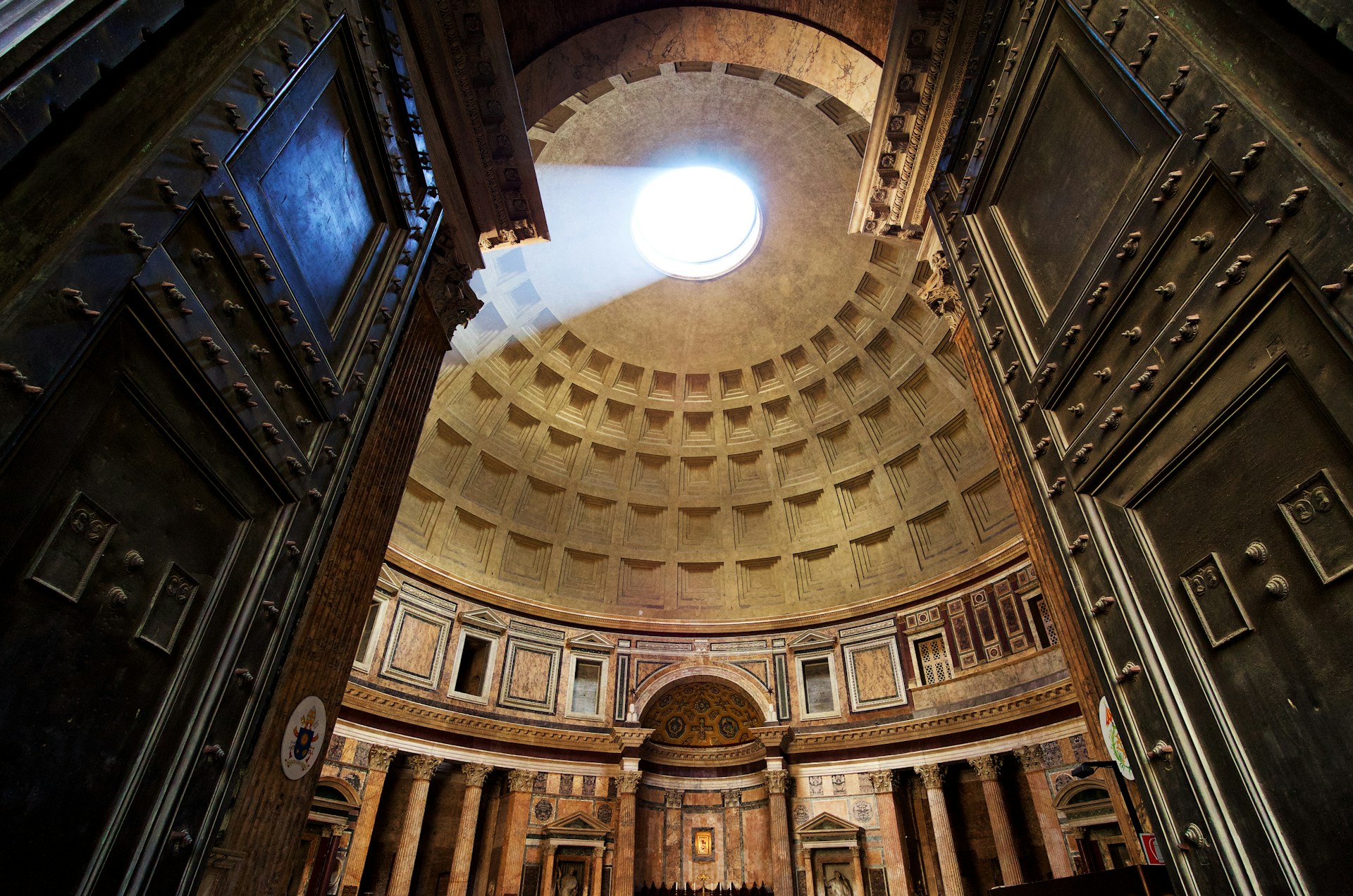
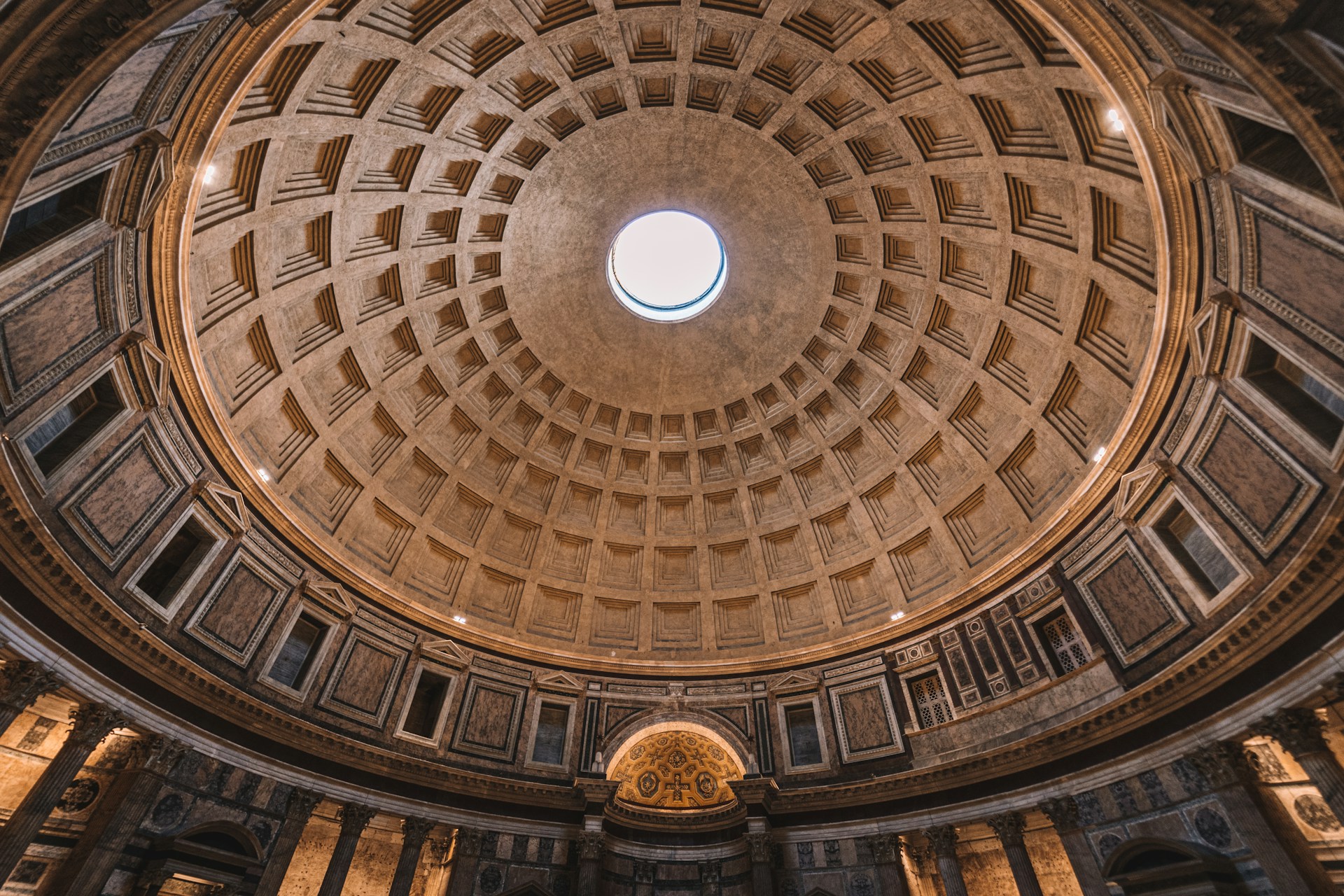
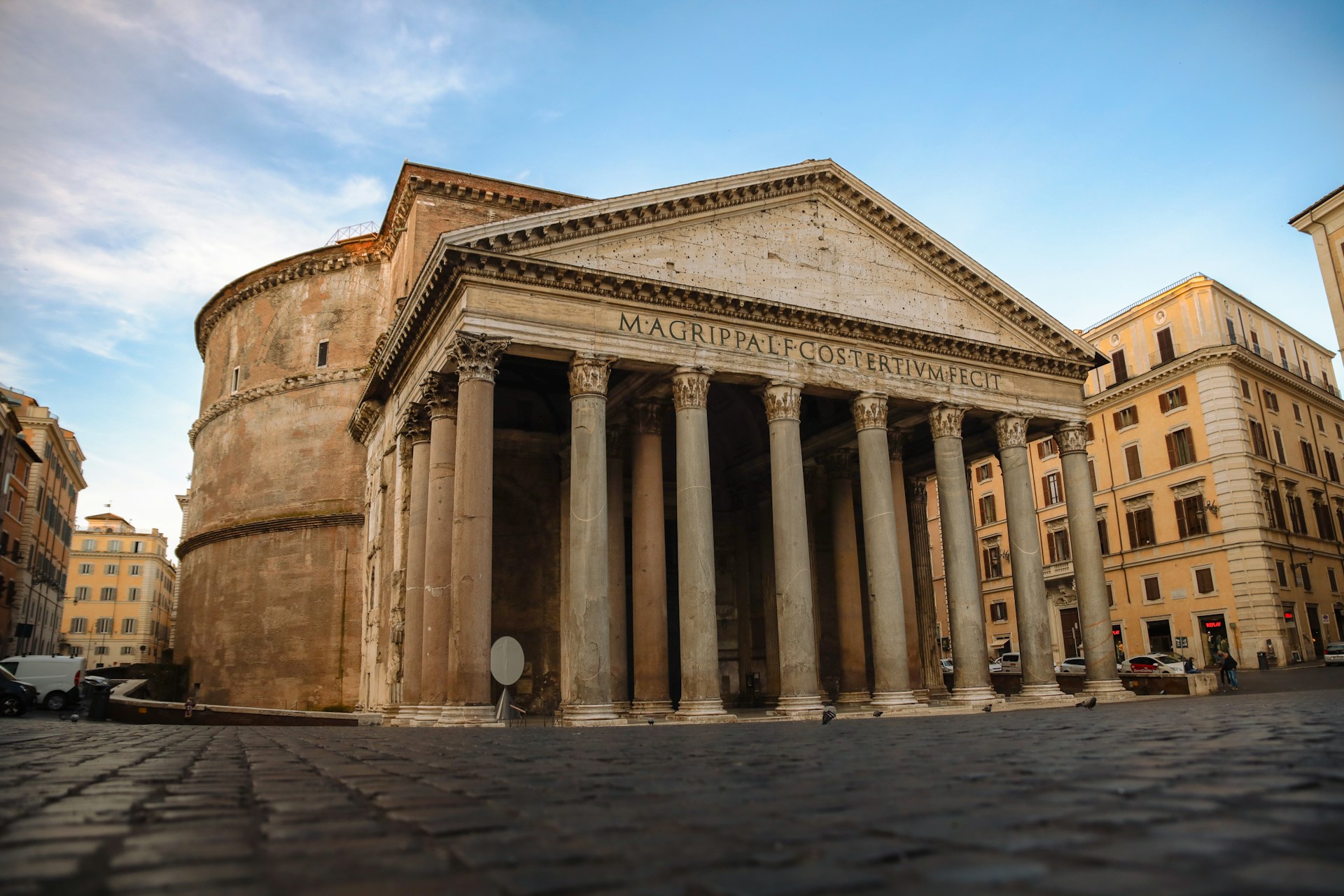
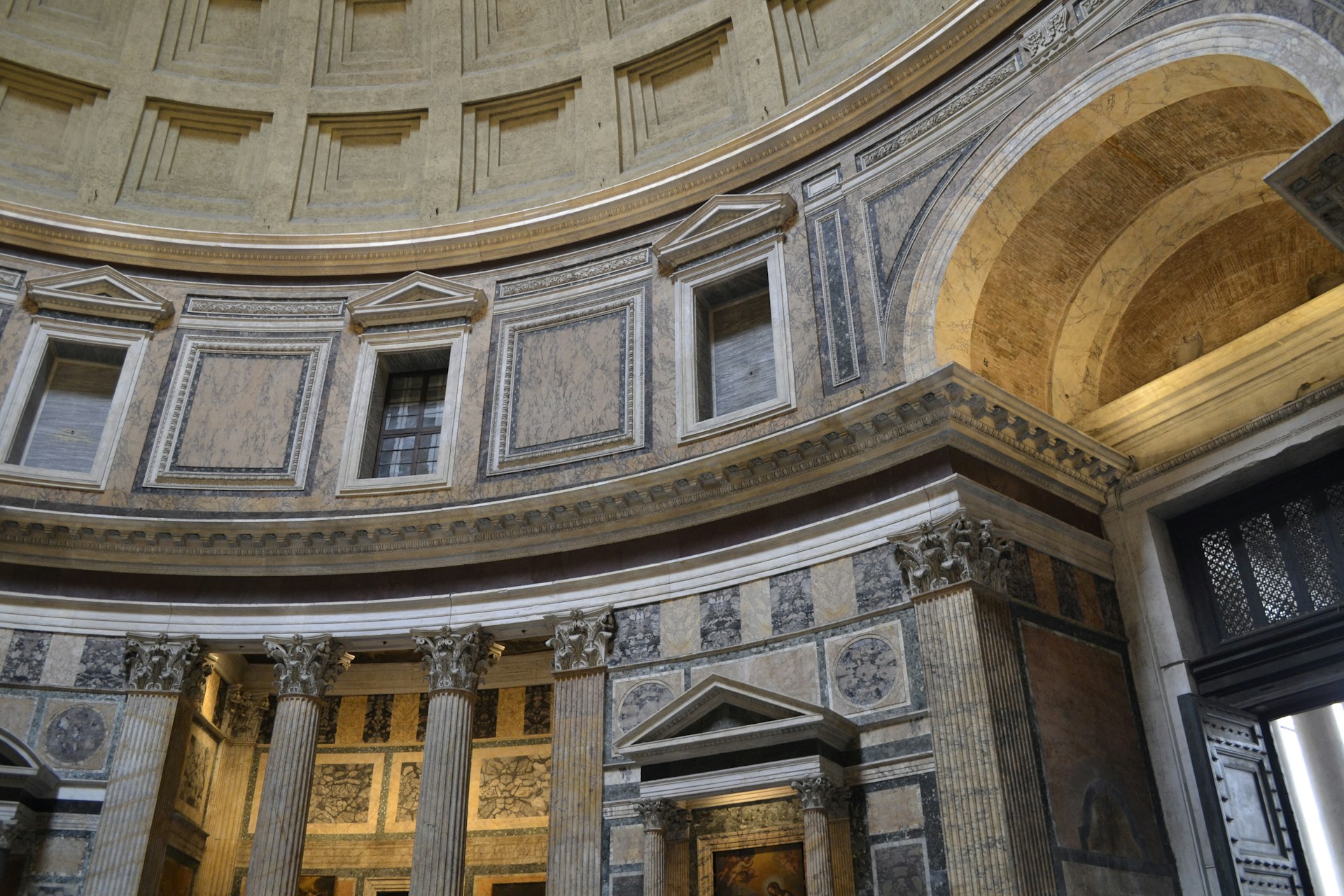
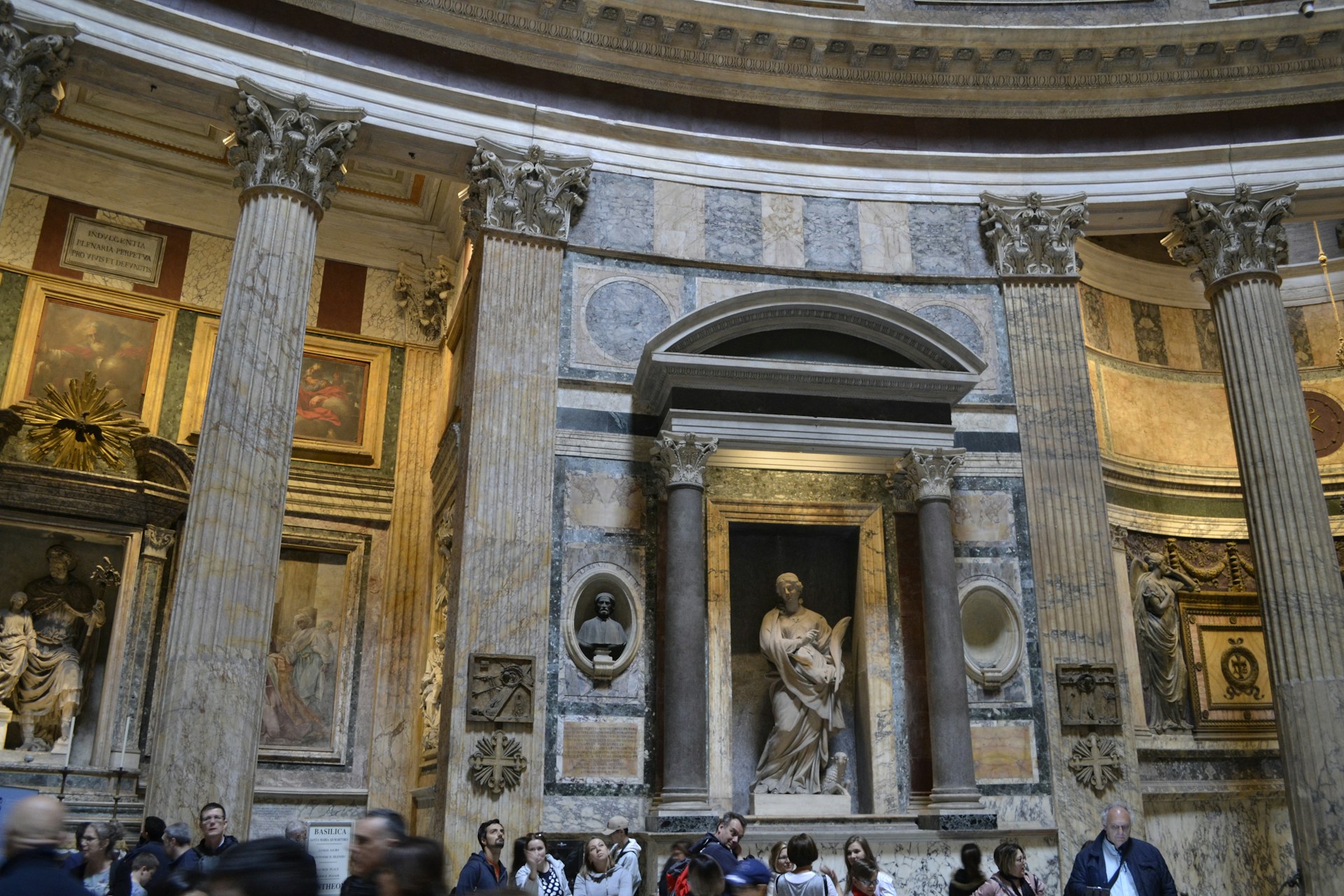
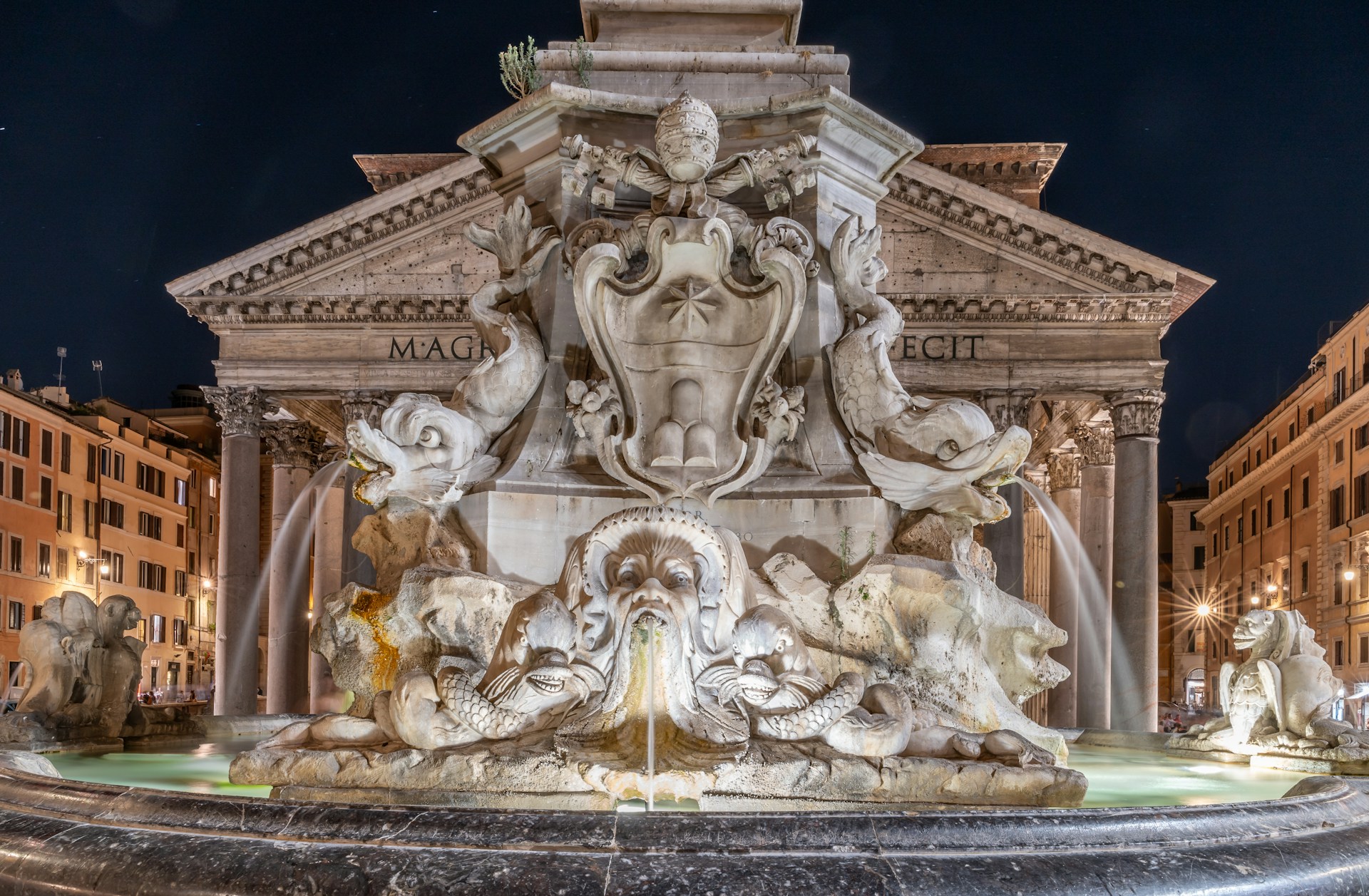
Use these images to better understand the scale, design, and atmosphere of the Pantheon before your visit or to revisit details afterward. They also show how light, weather, and daily life around the piazza shape the experience at different times of day.
Did You Know?
The oculus measures nine meters across and serves as the only light source connecting the interior directly to the sky above Rome.
Book Tickets & Activities
The Pantheon is one of Rome’s most visited landmarks and now requires a ticket for entry, which has made access more structured and sometimes limited. Booking in advance helps you avoid long queues in the piazza, secure a preferred time slot, and plan your day more smoothly, especially in peak season or on weekends.
Tiqets.com
Tiqets.com is a reliable platform that offers entry tickets and additional packages for a unique experience. It provides options such as skip-the-line tickets, guided tours, or combination deals that include visits to iconic landmarks.
GetYourGuide.com
Alternatively, GetYourGuide.com is another excellent platform for securing your tickets. In addition to standard access, GetYourGuide offers comprehensive packages like private tours, bundled sightseeing passes, and much more.
Did You Know?
Rain falls through the oculus during storms and drains away through hidden holes in the marble floor designed by Roman builders.
Location & Access
The Pantheon sits in Piazza della Rotonda in Rome’s historic centro storico and is easy to reach on foot from Piazza Navona and the Trevi Fountain. There is no direct metro stop, but Barberini on Line A is about a 15-minute walk through central streets.
Several bus routes stop nearby, including at Rinascimento and Corso Minghetti, with good connections from Termini and other transport hubs.
The surrounding area is mostly pedestrian and part of a limited-traffic zone, so driving is not recommended. Parking is scarce and costly, and visitors are better off using public transport, taxis, or paid garages a short walk away.
Did You Know?
The Pantheon became a Christian church in the seventh century which helped protect it from destruction and stone reuse.
Practical Information
A visit to the Pantheon is straightforward, but a few practical details can make it smoother and more enjoyable. Knowing how to get there, what to expect inside, and how to plan your timing helps you avoid crowds and respect its role as an active church.
Practical Information
- The Pantheon sits in Piazza della Rotonda in the historic center and is easy to reach on foot from Piazza Navona and the Trevi Fountain.
- There is no nearby metro stop; Barberini is the closest and about a 15-minute walk away.
- The surrounding streets are cobbled, but the piazza is flat and the entrance is wheelchair accessible.
- The interior is a single open space with smooth flooring and no stairs.
- There are no toilets or cafés inside; public facilities and cafés are nearby.
- The interior stays cool and dim, offering relief from summer heat or rain.
Tips & Warnings
- Dress respectfully with shoulders and knees covered, especially during services.
- Entry now requires a ticket, and advance booking is recommended in high season or on weekends.
- Visit early in the morning or late in the day for lighter crowds and a calmer atmosphere.
- Expect long lines on the first Sunday of the month when entry is free.
- Summer queues can be hot and exposed, so bring water and sun protection.
- Watch for overpriced cafés and persistent vendors in the piazza.
Photography Tips
- Stay discreet during services and keep noise to a minimum.
- Take exterior photos from the fountain in Piazza della Rotonda for a full view of the portico.
- Visit early in the morning to avoid crowds in front of the entrance.
- Inside, stand beneath the oculus to capture the dome and its geometric coffers.
- A wide-angle lens works best for interior shots.
- Photography is allowed, but flash and tripods are not.
Did You Know?
Renaissance architects studied the Pantheon closely and used its design to inspire famous domes including Florence cathedral.
Contact Details
For general information about visiting the Pantheon, tickets, access, and religious services:
E-mail: Not publicly listed
Phone: Not publicly listed
Website: https://www.pantheonroma.com/
Address:
Pantheon
Piazza della Rotonda
00186 Rome
Italy
Opening Hours:
The Pantheon is generally open daily, but hours can change due to religious services and public holidays. Always check the official website before your visit.
Daily opening is usually from 09:00 to 19:00, with last entry around 18:30–18:45.
Closed on 1 January, 15 August, and 25 December.
Did You Know?
Artist Raphael lies buried inside the Pantheon linking ancient Rome with Renaissance art history in one remarkable location.