
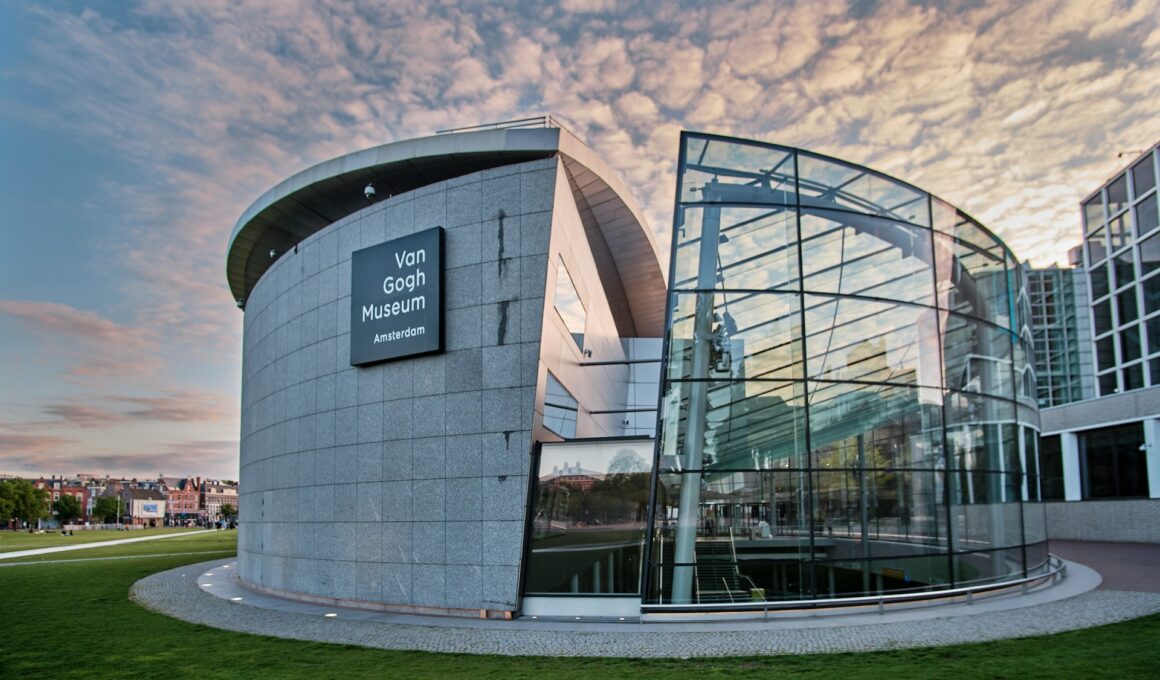
The Van Gogh Museum serves as the primary institution dedicated to the works of Vincent van Gogh and his contemporaries. It is located on the Museumplein in Amsterdam South, standing alongside the Rijksmuseum and the Stedelijk Museum. This modern building houses the largest collection of the artist’s paintings and drawings in the world.
You should visit to trace the intense story of Van Gogh’s life through his art and personal letters. The galleries showcase iconic masterpieces such as Sunflowers, Almond Blossom, and The Bedroom. This comprehensive timeline allows you to witness his dramatic evolution from dark Dutch landscapes to vibrant French color.
Did You Know?
The Van Gogh Museum safeguards the largest collection of Van Gogh artworks in the world including two hundred paintings and over five hundred drawings.
History of The Van Gogh Museum
After Vincent van Gogh died in 1890, his massive collection of unsold work passed to his younger brother Theo. When Theo died just six months later, his widow Jo van Gogh-Bonger took on the responsibility of managing the artistic legacy. She worked tirelessly to organize exhibitions and publish Vincent’s letters to raise awareness of his genius. Her dedication ensured the collection remained largely intact rather than being sold off piece by piece to private buyers.
The collection eventually passed to her son, Vincent Willem van Gogh, who founded the Vincent van Gogh Foundation in 1962. He reached an agreement with the Dutch state to transfer the artworks in exchange for a commitment to build a dedicated museum. This crucial decision guaranteed that the paintings would remain accessible to the public forever. The government chose a location on the Museumplein to place the artist alongside the prestigious Rijksmuseum and Stedelijk Museum.
Acclaimed Dutch architect Gerrit Rietveld designed the original main building, emphasizing open spaces and natural light to complement the vibrant art. The museum opened its doors in 1973 and immediately attracted far more visitors than anticipated. To accommodate the growing crowds, Japanese architect Kisho Kurokawa designed a striking elliptical exhibition wing that opened in 1999. This expansion added modern facilities and created the distinctive sunken entrance plaza seen today.
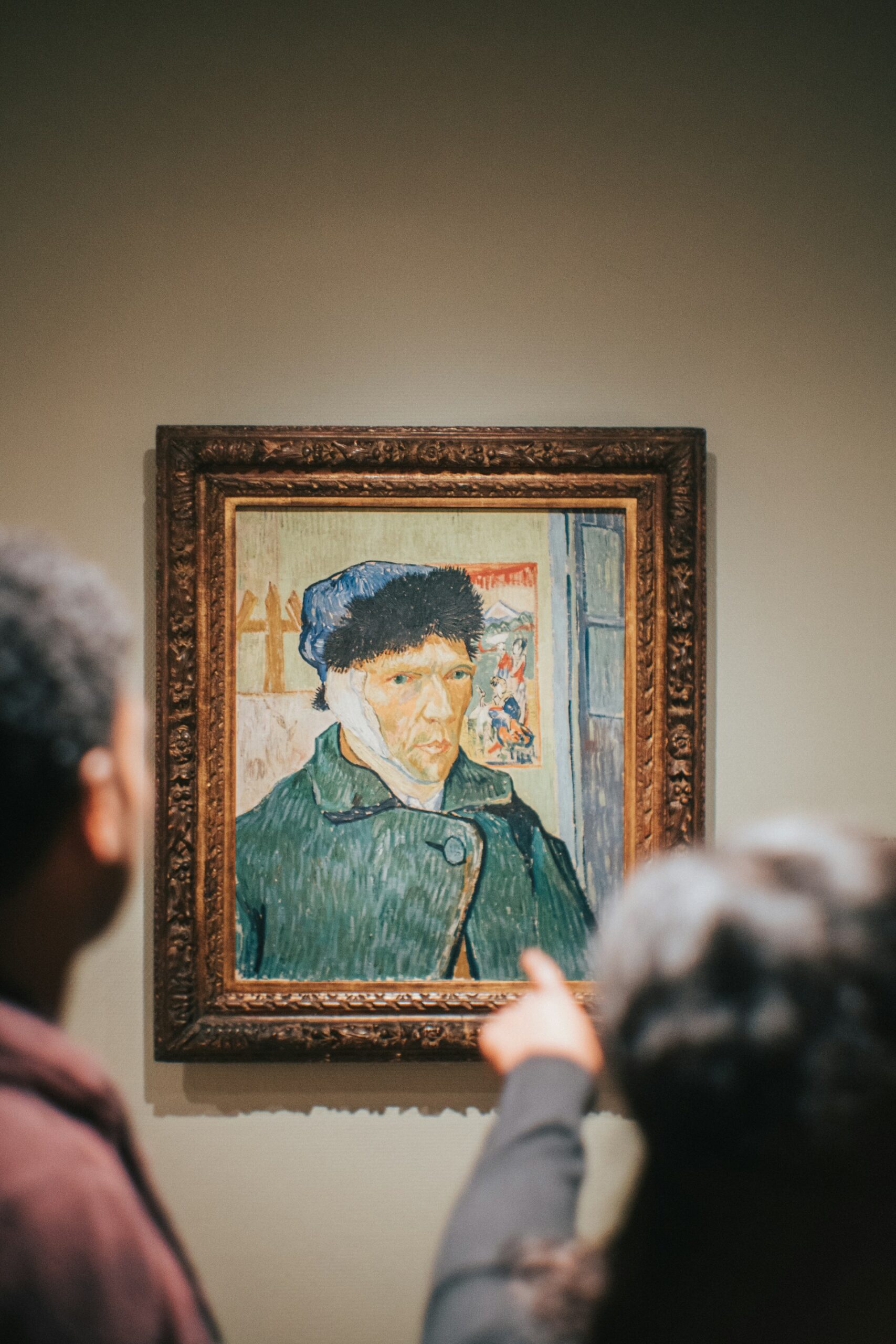
Today, the museum serves as the world’s primary authority on the life and work of Van Gogh. It houses over 200 paintings, 500 drawings, and 700 letters, offering an unparalleled view of his artistic development. Beyond the galleries, the institution leads global research into 19th-century art history and conservation techniques. It stands as a testament to a family’s devotion and remains one of the most visited cultural sites in the Netherlands.
Did You Know?
Famous Dutch architect Gerrit Rietveld designed the main modernist building while Kisho Kurokawa later added the elliptical exhibition wing using titanium and glass.
What to Expect
The museum displays the world’s largest collection of Van Gogh’s work, arranged chronologically to reveal his dramatic artistic evolution. You witness his transformation from a painter of dark peasant scenes to a master of vibrant color and light. Use this list to identify the pivotal masterpieces that define his short but explosive career.
The Potato Eaters
This early masterpiece defines his Dutch period with dark earth tones and rough brushwork. He wanted to honestly portray peasants who tilled the soil with the same hands they used to eat.
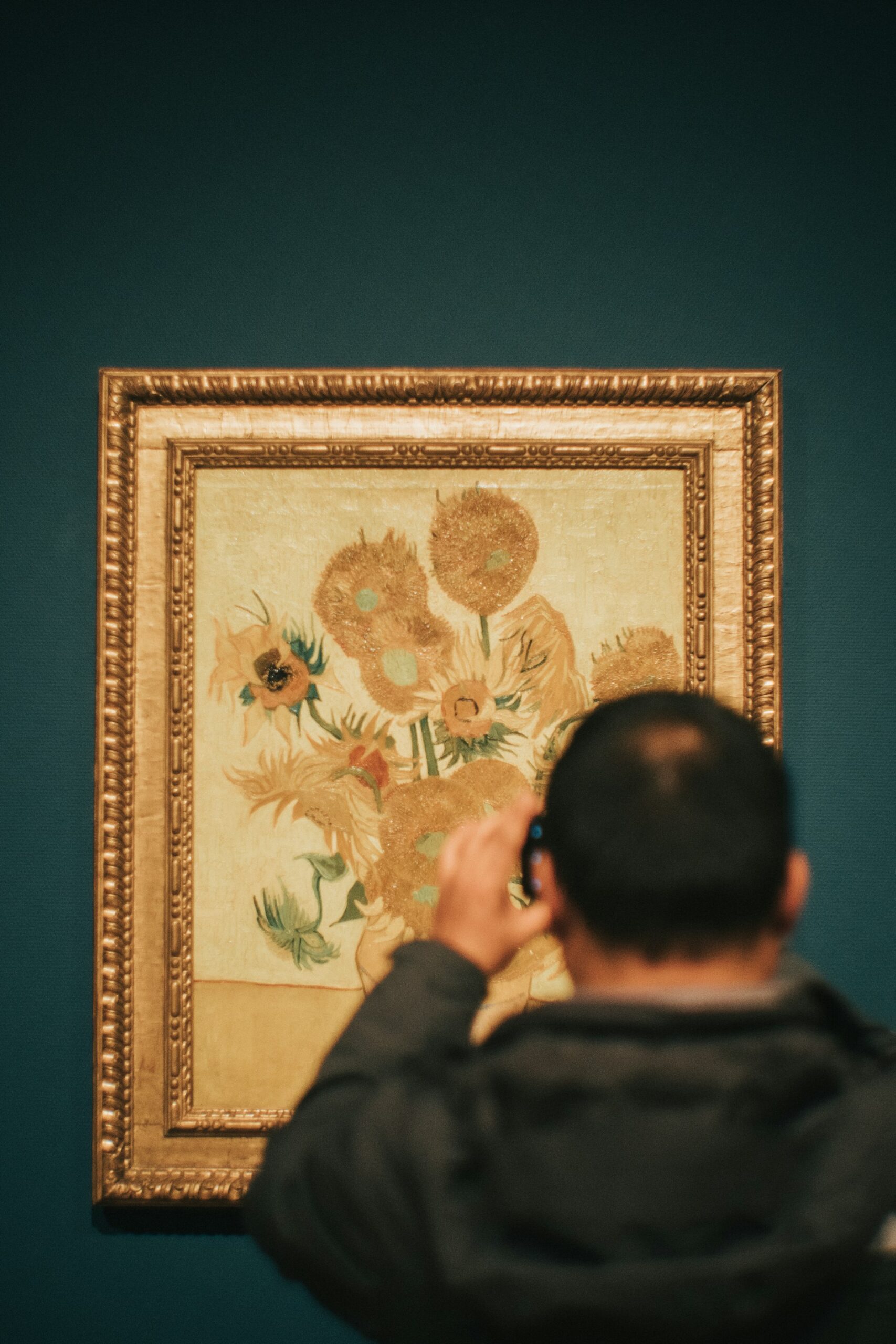
Sunflowers
Vincent painted this iconic series of yellow bouquets to decorate the Yellow House in Arles for Paul Gauguin. The vibrant shades of yellow symbolize friendship and gratitude while showing his mastery of color.
Almond Blossom
He painted these delicate white branches against a blue sky as a gift for his newborn nephew. The composition reflects the strong influence of Japanese printmaking on his later style.
The Bedroom
This painting captures his simple room in the Yellow House in Arles with bold, flat colors. He intentionally ignored traditional perspective to convey a feeling of absolute rest and sleep.
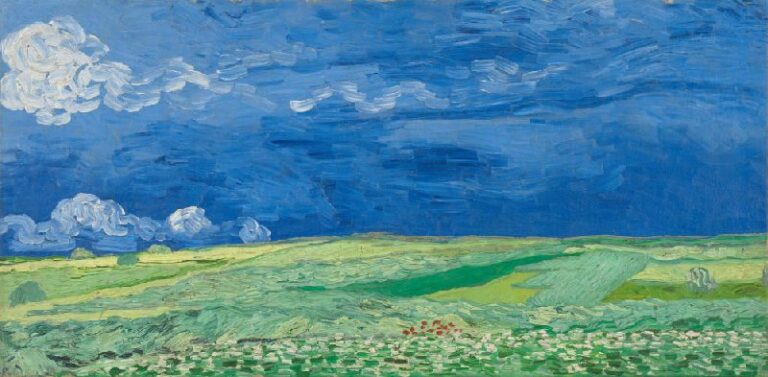
Wheatfield with Crows
Many critics view this ominous landscape as a foreshadowing of his suicide just weeks later. The dark sky and dead-end paths create a powerful sense of isolation and turbulence.
The Letters
The museum displays rotating selections from the hundreds of letters Vincent wrote to his brother Theo. These intimate documents provide the crucial narrative voice that guides you through the galleries.
Skull of a Skeleton with Burning Cigarette
This early academic exercise shows a surprising flash of dark humor in his work. He painted it while studying at the art academy in Antwerp as a rebellious joke against traditional training.
Did You Know?
Italian police recovered two stolen masterpieces in 2016 that thieves had taken from the museum roof during a daring raid fourteen years earlier.
Image Library
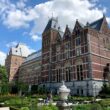
This photo library displays the striking modern architecture that houses the world’s largest collection of Van Gogh’s work. You can view the geometric lines of the Rietveld building and the shimmering titanium curve of the Kurokawa wing. Use these pictures to scout the best angles for architectural photography or to visualize the flow of the galleries.
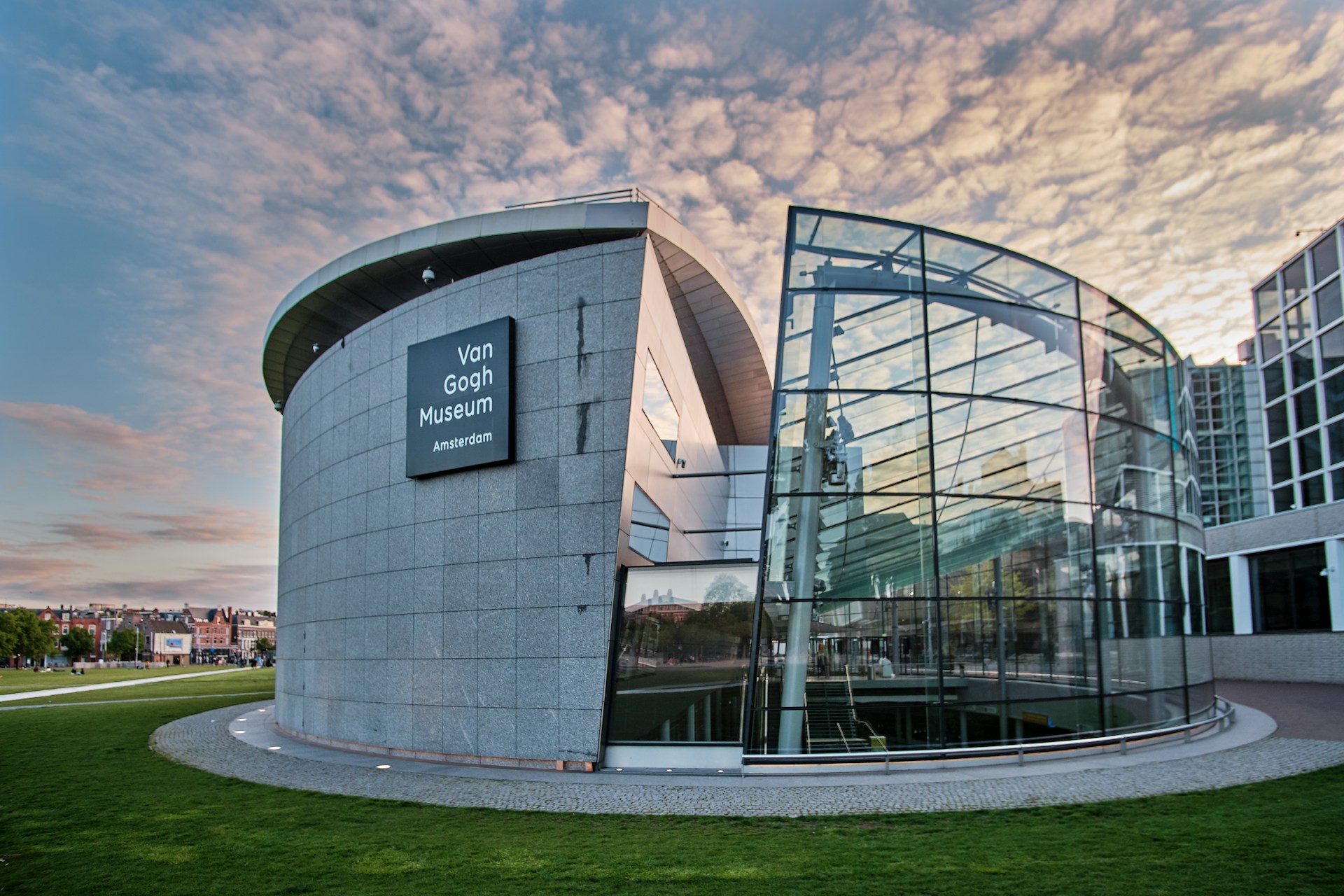
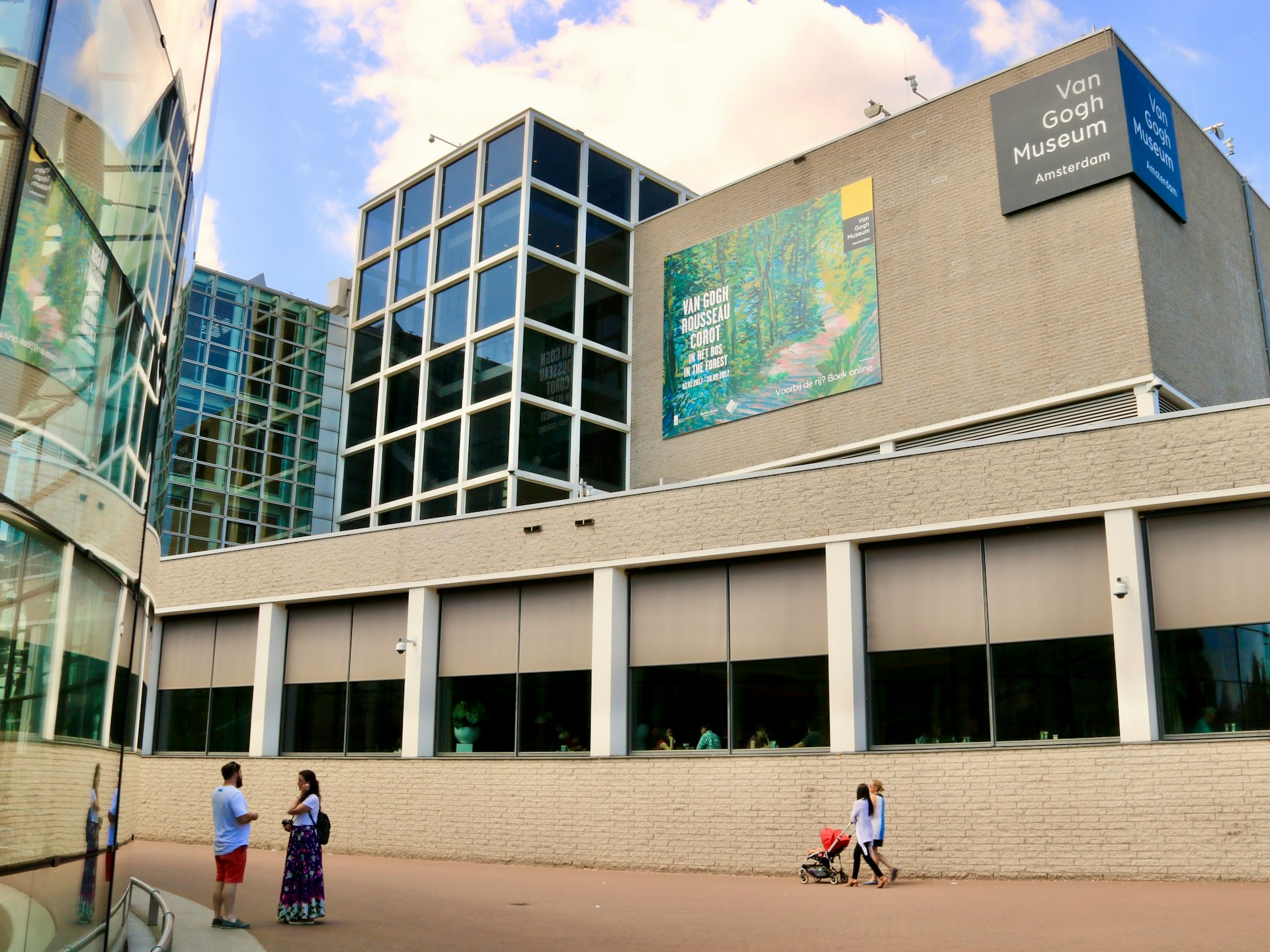
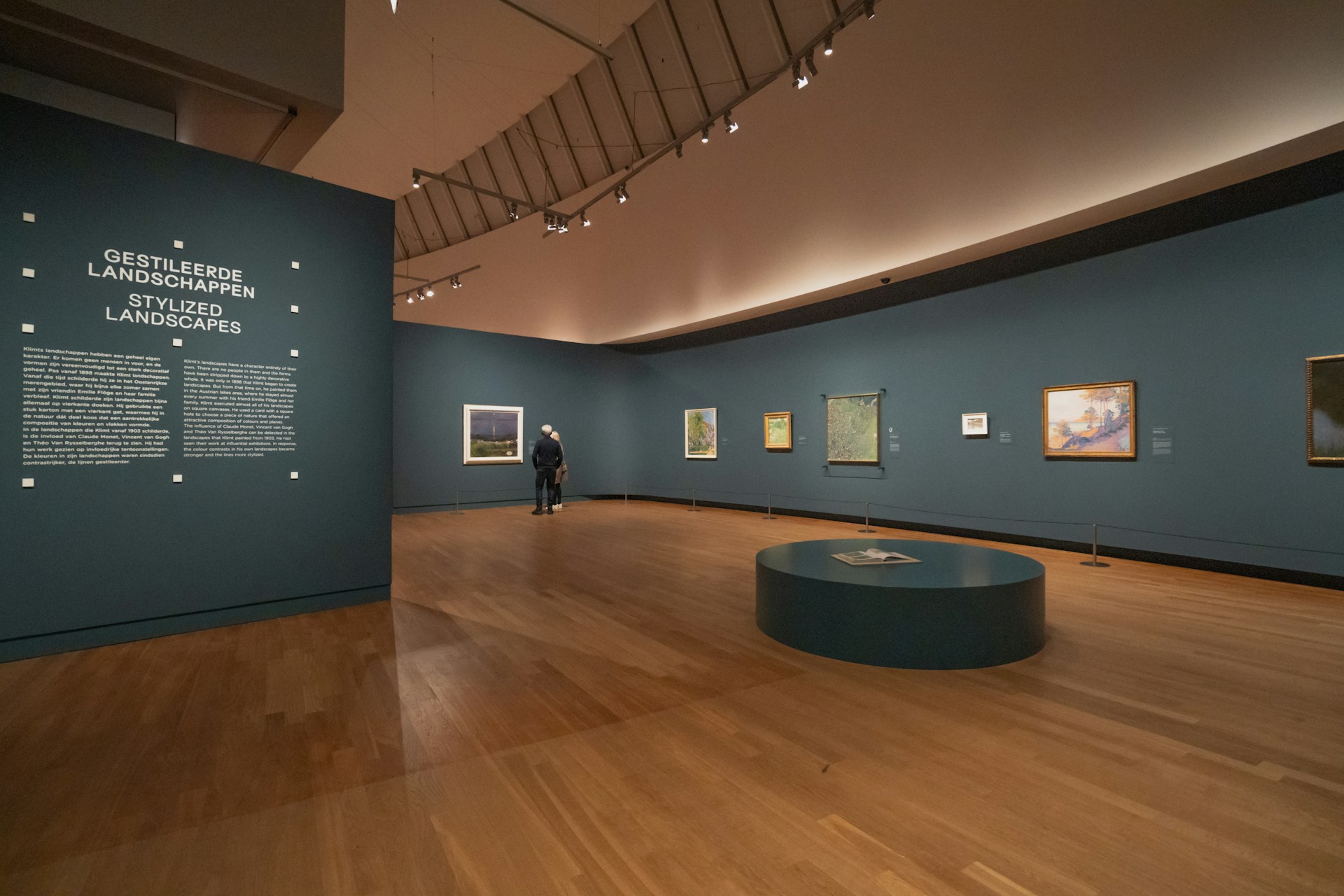
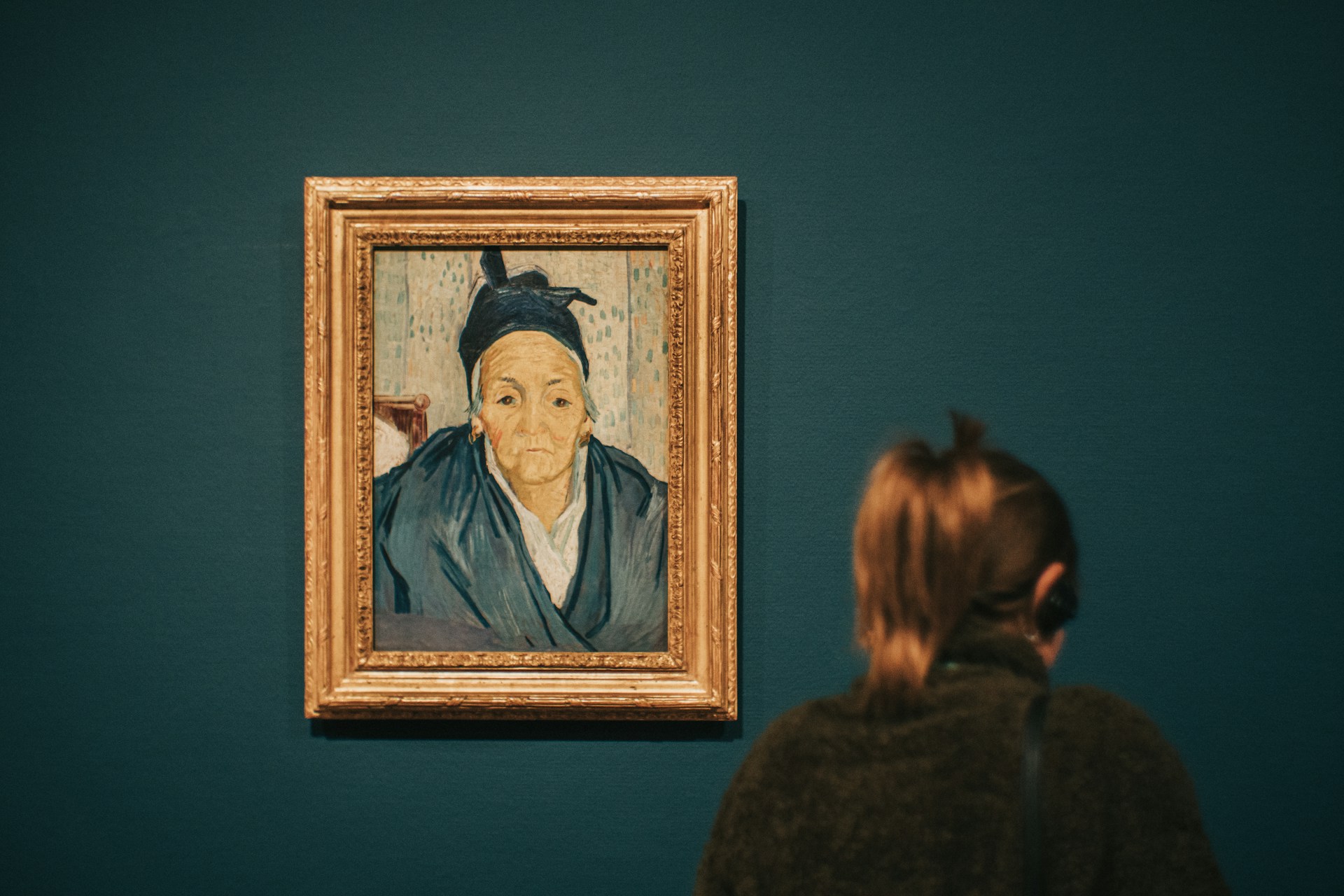
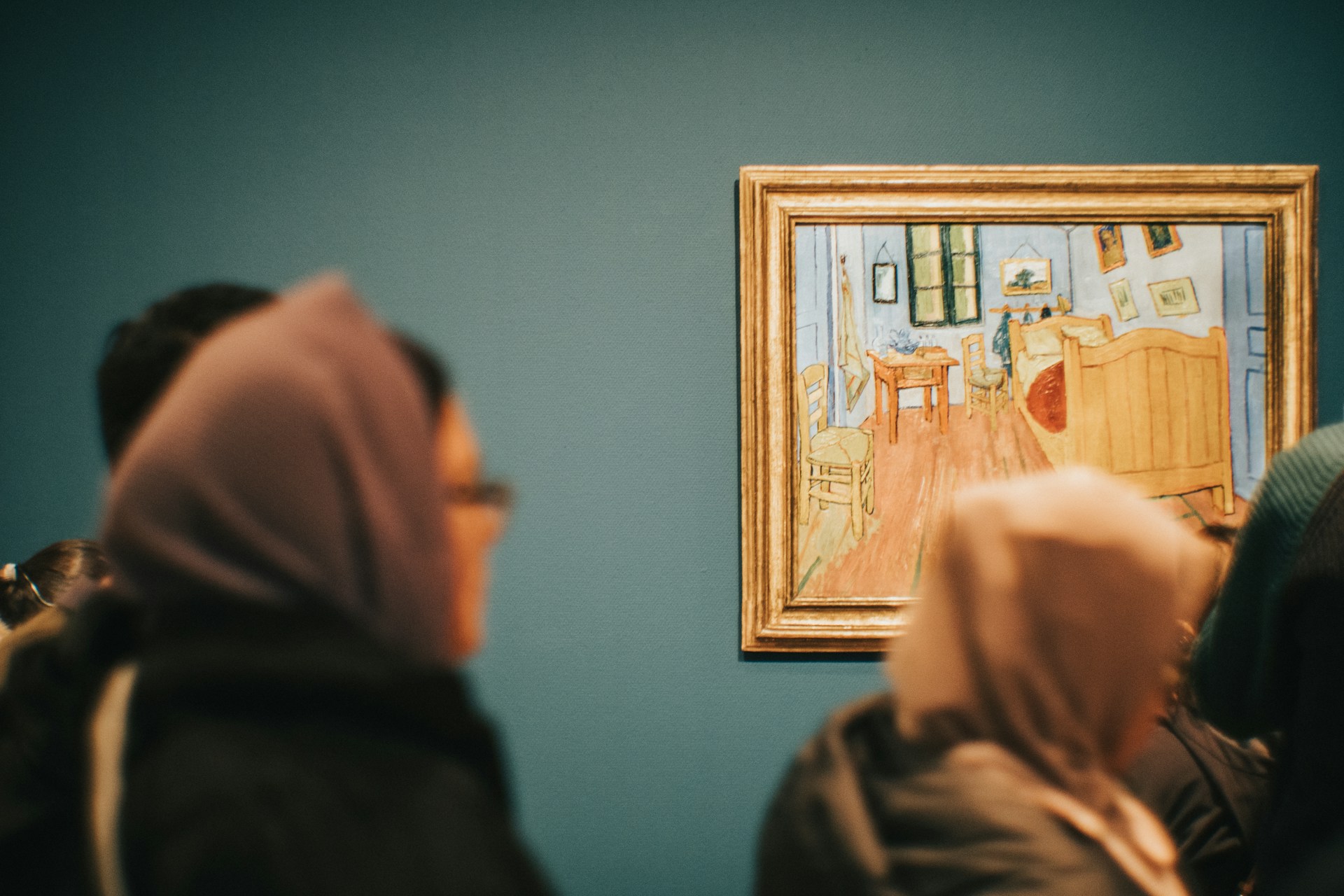
Use these images to understand the layout, vibrant art, and busy atmosphere before your visit or to revisit the experience afterward. They also show how changing light and the surrounding Museumplein greenspace shape the mood of the glass structures throughout the day.
Did You Know?
The archives contain hundreds of fragile letters Vincent wrote to his brother Theo revealing his deepest thoughts on art and life.
Book Tickets & Activities
The Van Gogh Museum operates on a strict pre-booked time slot basis to manage the high volume of daily visitors. Booking tickets online well in advance is mandatory, as slots frequently sell out weeks ahead of time. Securing your entry early guarantees admission and allows you to plan your itinerary around this essential stop on the Museumplein.
Tiqets.com
Tiqets.com is a reliable platform that offers entry tickets and additional packages for a unique experience. It provides options such as skip-the-line tickets, guided tours, or combination deals that include visits to iconic landmarks.
GetYourGuide.com
GetYourGuide.com is an excellent platform for securing your tickets. In addition to standard access, GetYourGuide offers comprehensive packages like private tours, bundled sightseeing passes, and much more.
Did You Know?
Vincent produced his entire incredible output of nine hundred paintings during a short artistic career spanning just ten intense years.
Location & Access
The Van Gogh Museum occupies a prime spot on the Museumplein, sandwiched between the Stedelijk and the Rijksmuseum in the Oud-Zuid district. The modern structure features a distinctive glass entrance hall that overlooks the grassy square. Its central position makes it the beating heart of Amsterdam’s art district and a convenient stop during a day of sightseeing.
Travelers can easily reach the museum via the city’s efficient tram network. Trams from Central Station drop you at the Van Baerlestraat or Museumplein stops, just steps from the door. Alternatively, take the North-South metro line to Vijzelgracht station and enjoy a ten-minute walk past the Rijksmuseum to the entrance.
Driving is tricky in the center, though the Q-Park garage beneath Museumplein offers convenient underground parking. Most smart travelers opt for Park + Ride facilities on the city outskirts to avoid high fees and narrow streets. Regardless of how you arrive, you must book your entry time online well in advance, as this popular attraction sells out faster than any other museum in the city.
Did You Know?
Vincent painted the famous Almond Blossom as a gift for his newborn nephew who was named Vincent after the artist himself.
Practical Information
Preparation is critical for a visit to the Van Gogh Museum, as its compact size and immense popularity create a crowded environment. The galleries follow a strict one-way flow, and the facility enforces rigorous entry rules to protect the fragile artworks. Knowing the luggage restrictions and photography policies beforehand ensures you don’t face unexpected hurdles at the door.
Accessibility & Practical Information
- Wheelchair Access: The building is fully accessible with wide elevators and ramps connecting all floors. You can reserve a folding chair or wheelchair in advance via the museum website.
- Multimedia Guide: The museum offers an excellent interactive audio guide for a small fee. It provides crucial context for the paintings and includes letters read aloud by actors.
- Cloakroom Policy: Security strictly prohibits bags larger than A4 size within the galleries. The cloakroom cannot store suitcases or large backpacks, so you must arrange off-site storage before arrival.
- Cashless Venue: You can only pay with debit or credit cards at the ticket desk, gift shop, and café. The museum does not accept cash anywhere on the premises.
- Service Dogs: Registered service dogs are welcome to accompany their owners through the galleries, but pets are strictly forbidden.
Tips & Warnings
- Book Early: Tickets often sell out two to three weeks in advance, especially for spring and summer dates. Never assume you can buy a ticket on the day of your visit.
- Best Times: Book the earliest slot at 09:00 or a slot after 16:00 to avoid the peak midday tour groups. The galleries are generally quietest on weekday mornings.
- Luggage Storage: Do not bring luggage to Museumplein. Use the storage lockers at Central Station or the private “Lockerpoint” facility located near the museum entrance.
- One Entry: Your ticket grants entry only at the specific reserved time. Once you leave the building, security will not permit you to re-enter.
- Friday Nights: The museum often hosts “Vincent on Friday” events with music and cocktails. Check the calendar if you want a more social, lively atmosphere.
Photography Tips
- Patience: A crowd constantly surrounds Sunflowers and Almond Blossom. Wait for a gap in the flow rather than pushing to the front immediately.
- Permanent Collection: You may take photos of the permanent collection for personal use. However, flash, tripods, and selfie sticks are strictly banned to prevent damage and congestion.
- Temporary Exhibitions: Photography is frequently prohibited in the temporary exhibition wing. Always check the signage at the entrance of specific galleries to avoid a reprimand from security.
- Selfie Walls: The museum has designated “selfie walls” in the main atrium featuring enlarged masterpieces. Use these spots for portraits to avoid blocking the flow of traffic in the narrow painting galleries.
Did You Know?
The artist famously sold only one single painting during his lifetime despite creating nearly nine hundred oil works before his death.
Contact Details
For general information about the museum, the collection, our program and activities:
E-mail: info@vangoghmuseum.nl
Phone: +31 20 570 52 00
Website: https://www.vangoghmuseum.nl/
Address:
Van Gogh Museum
Museumplein 6
1071 DJ
Amsterdam
The Netherlands
Opening Hours: The Van Gogh Museum is open 365 days a year. Please check the official website for more details, since opening hours may vary on public holidays and over December.
- Daily: 09:00 to 18:00.
Did You Know?
Van Gogh collected hundreds of colorful Japanese woodblock prints that heavily influenced the bold outlines and perspectives in his own later paintings.