
Discover the sweetest side of Swiss culture by tasting these ten incredible local desserts on your next trip. Beyond the stunning snow-capped mountains and pristine alpine lakes, this beautiful nation boasts a historic pastry and chocolate tradition that is truly second to none. Passionate chocolatiers and neighborhood Bäckereien (bakeries) dedicate their lives to perfecting beloved family recipes handed down through generations.
Every distinct canton presents a unique culinary journey, featuring rich chocolatey comforts, elegantly layered nut tarts, and warm, fruit-filled masterpieces. Exploring these culinary delights provides a wonderful window into daily alpine life. Prepare your palate for an unforgettable and utterly delicious European vacation.
Taste these top ten mouthwatering Swiss treats to make your European vacation truly unforgettable:
Life is uncertain. Eat dessert first.
~ Ernestine Ulmer
Zuger Kirschtorte
A traditional Zuger Kirschtorte beautifully combines crispy layers of nut meringue with a soft sponge cake center. Bakers soak this central sponge heavily in Kirschwasser, a strong, clear cherry schnapps. They then coat the entire cake smoothly in rich buttercream and cover the sides completely with roasted, sliced almond flakes.
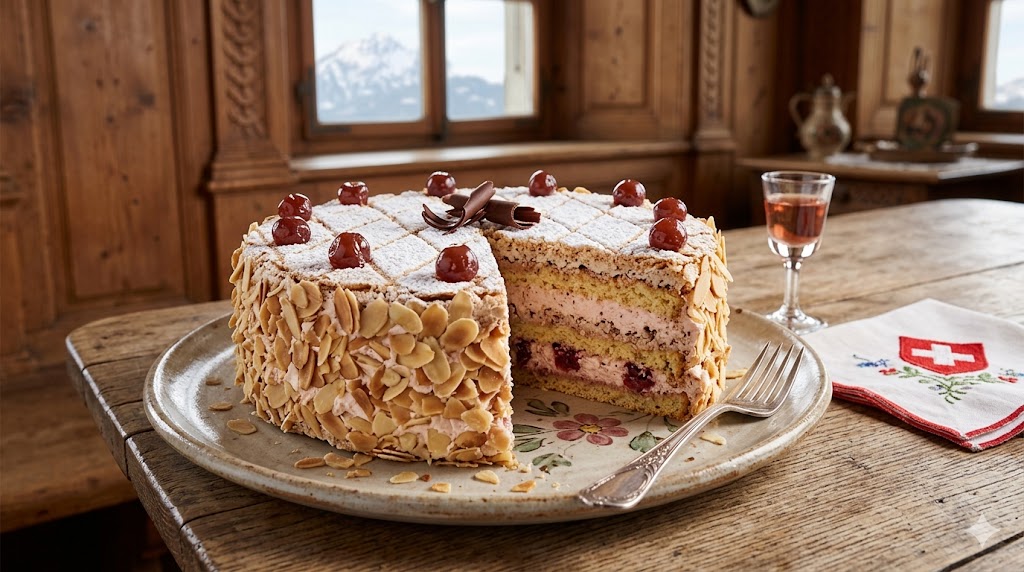
Waiters serve this decadent dessert chilled, cutting the cake into neat, elegant slices. Before serving, they generously dust the white buttercream top with a thick layer of sweet powdered sugar. A distinctive diamond pattern, pressed gently into the sugar using a special knife, gives every slice its iconic visual finish.
Pastry chef Heinrich Höhn invented this beloved cake in the Swiss canton of Zug during the early twentieth century. It proudly highlights the region’s famous cherry orchards and local schnapps production. Today, the Swiss government protects the recipe strictly, ensuring bakers only use authentic Kirschwasser sourced directly from central Switzerland.
Basler Läckerli
Basler Läckerli is a chewy, spiced gingerbread biscuit. Bakers make it using a thick mixture of honey, chopped almonds, hazelnuts, and bright candied citrus peel. They flavor the dough heavily with warm spices like cinnamon and cloves, plus a splash of Kirsch cherry schnapps for a distinctively rich, fruity punch.
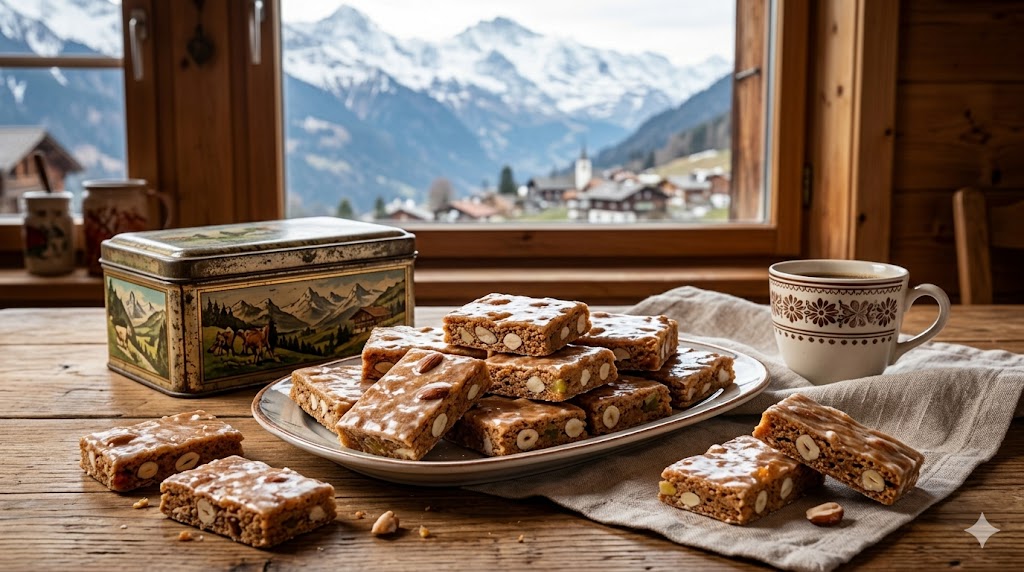
Cooks bake the dough in large, flat slabs before brushing the hot pastry with a sweet sugar glaze. Once the glaze dries into a frosty white crust, they cut the warm slab into small, neat rectangles. People enjoy these sticky, sweet squares alongside a hot cup of coffee or tea.
This historic treat originated in the Swiss city of Basel during the Middle Ages. Spice merchants created it specifically for wealthy church council members who visited the city. Today, it stands proudly as Basel’s most famous culinary export, beautifully representing classic Swiss baking traditions during the festive winter holiday season.
Bündner Nusstorte
Bündner Nusstorte is a rich, satisfying caramelized walnut pastry. Bakers craft a sweet, delicious, crumbly shortcrust dough to form a sturdy outer shell. Inside, they pack a thick, sticky filling made by gently boiling pure cream, sugar, and generous handfuls of coarsely chopped walnuts into a dark, gooey caramel mixture.
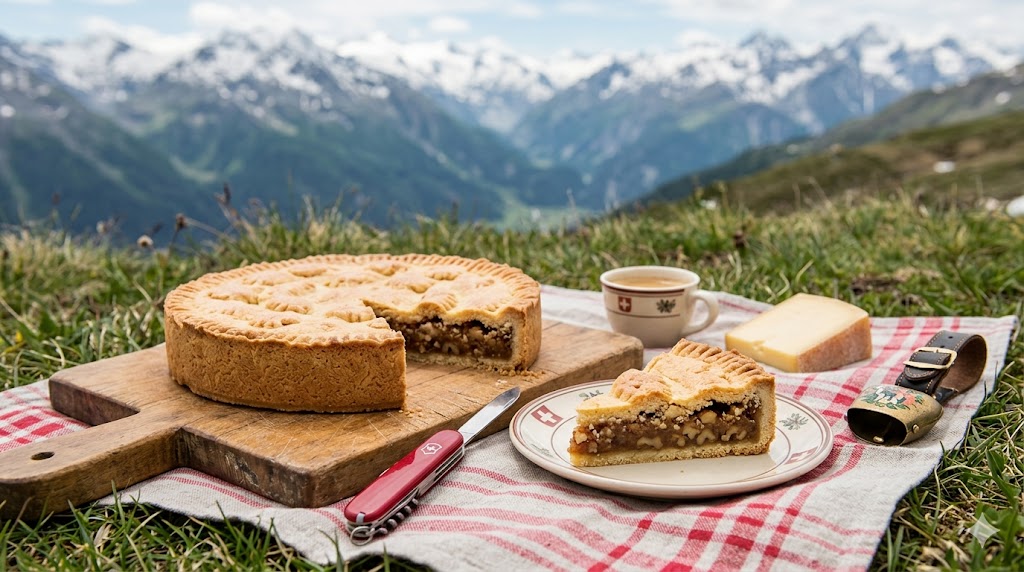
Hosts typically serve this heavy pastry in very thin, modest slices. Since the dense caramel filling provides intense sweetness, locals often enjoy the tart at room temperature alongside a dark, strong cup of unsweetened coffee or hot black tea. It requires no extra frosting, whipped cream, or powdered sugar garnishes.
This legendary tart originates from Graubünden, the largest eastern Swiss canton. During the nineteenth century, traveling Swiss pastry chefs migrated throughout Europe, adopting sugar skills before bringing the recipe home. Today, this iconic alpine treat brilliantly represents authentic Swiss mountain culture and survives easily during the long, freezing winter months.
Swiss Meringue
Swiss meringue uses just two simple ingredients: fresh egg whites and white sugar. Bakers combine these in a bowl set over gently simmering water. They whisk the mixture continuously until the sugar melts completely. Finally, they beat the warm liquid vigorously until it transforms into thick, glossy, stiff white peaks.
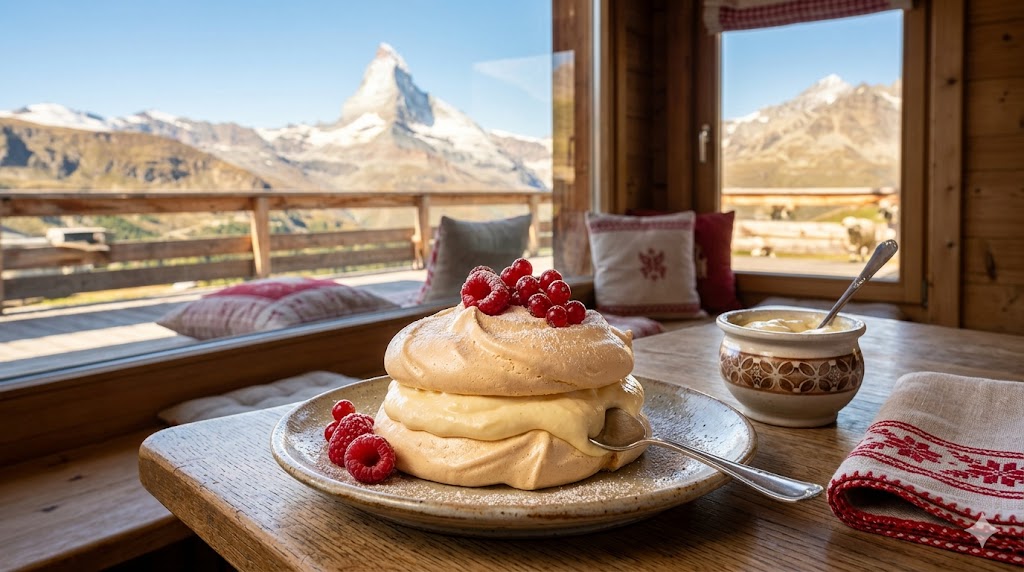
Pastry chefs pipe this stable foam into elegant shapes and bake them slowly at very low heat. The dry heat creates a crisp outer shell while keeping the inside slightly chewy. Servers often present the baked shells topped generously with fresh berries, thick double cream, or rich dark chocolate sauce.
Culinary historians trace this famous technique back to the Swiss village of Meiringen during the seventeenth century. An Italian pastry chef named Gasparini supposedly invented the sweet treat there. Today, the legendary alpine town celebrates its tasty historical invention proudly, attracting enthusiastic visitors eager to try authentic local meringue creations.
Tirggel
Tirggel is an incredibly thin, hard biscuit made from a simple yet elegant dough. Bakers combine sweet honey, plain flour, and sugar, completely avoiding any butter or oil. They flavor the stiff mixture generously with warming spices like ginger, cinnamon, aniseed, and a touch of fragrant rose water.
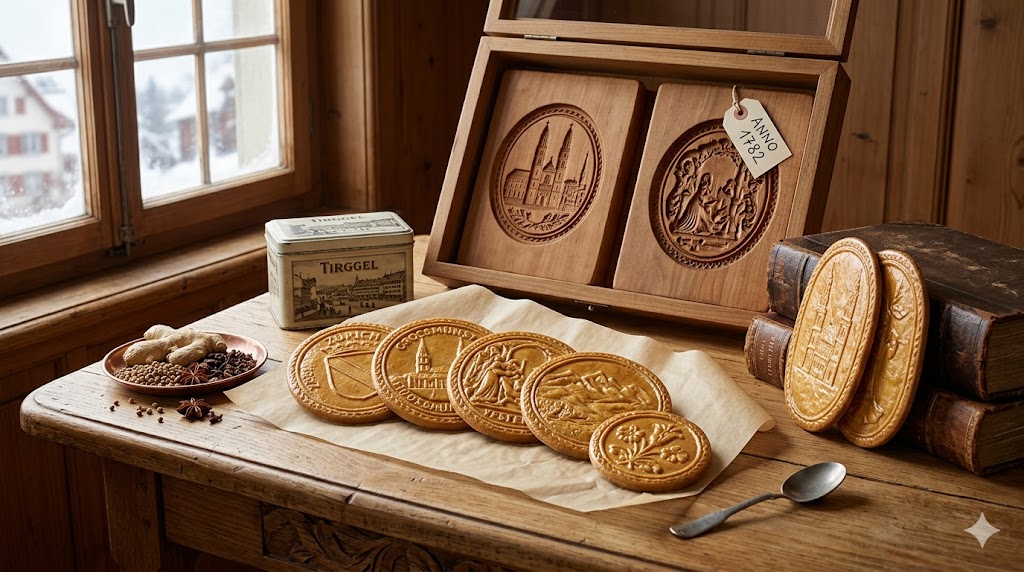
Locals traditionally enjoy these intricate cookies by snapping off small pieces and letting them melt slowly on the tongue. This gentle process releases the rich honey flavors perfectly. Hosts often serve the hard, crunchy biscuits alongside a hot cup of tea, black coffee, or warm mulled wine during winter.
This historic biscuit originates strictly from the Swiss canton of Zurich. During the fifteenth century, bakers pressed the dough into beautifully carved wooden molds before baking at extreme heat. Today, the cookies proudly display intricate scenes of Zurich’s local history, making them edible art and a beloved holiday staple.
Torta di Pane Ticinese
Bakers craft this dense dessert using stale bread soaked thoroughly in milk. They blend the soft mixture with rich cocoa powder, chewy raisins, crunchy pine nuts, and sweet candied fruit. Next, cooks flavor the thick batter generously using warm spices like cinnamon before baking it into a firm solid cake.
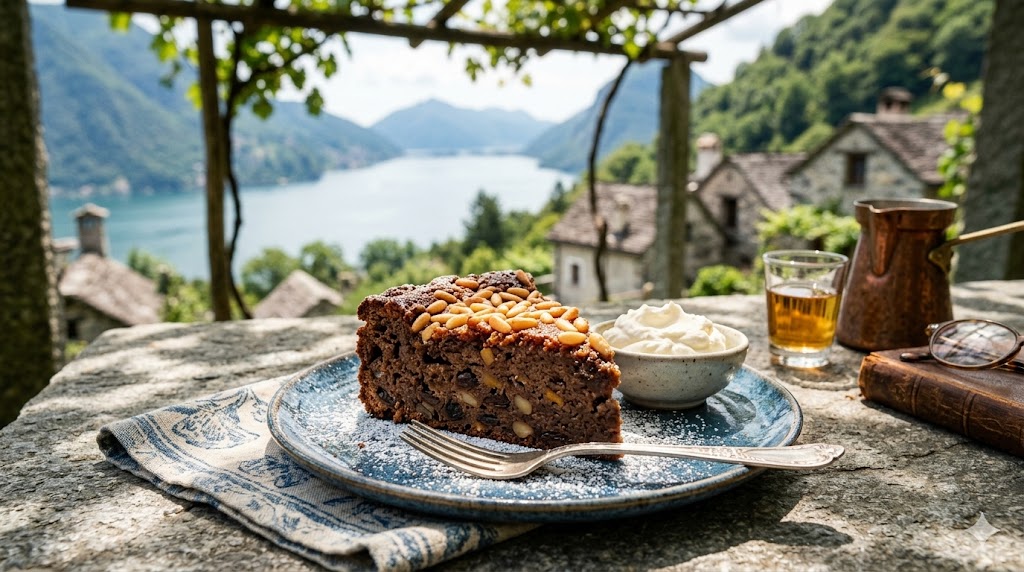
Locals typically serve this heavy chocolate cake in thick, generous square slices. Because the texture remains incredibly moist and dense, hosts rarely add extra frosting or heavy cream toppings. Instead, people enjoy it plain at room temperature alongside a hot cup of strong black coffee or warm afternoon herbal tea.
This rustic dessert originates from Ticino, the sole Swiss canton that speaks Italian primarily. Centuries ago, poor alpine farming families created this ingenious recipe strictly to avoid wasting any leftover stale bread. Today, it beautifully highlights traditional Swiss frugality while starring as a beloved staple during local community festivals nationwide.
Caramalklöpfli
Bakers create Caramelköpfli using a surprisingly simple mixture of rich milk, fresh cream, whole eggs, and sweet sugar. They flavor the liquid custard heavily with fragrant vanilla bean before pouring it over a layer of soft caramel. Cooks carefully bake the delicate dessert slowly inside a gentle, warm water bath.
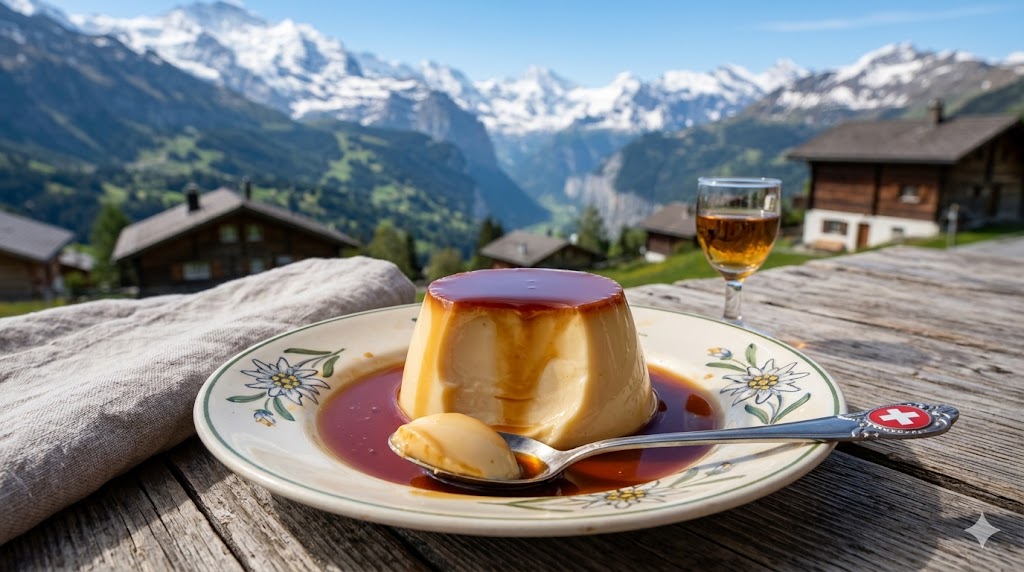
Hosts always chill the baked pudding thoroughly inside the refrigerator overnight. Right before serving, they run a sharp knife around the edge and quickly invert the mold onto a flat plate. This action releases the dessert, allowing the sweet, dark liquid caramel to cascade beautifully down the smooth custard sides.
This comforting treat represents classic Swiss home cooking perfectly. While similar to French crème caramel, the Swiss version remains slightly denser and features a wonderfully soft caramel topping. Families nationwide prepare this beloved dessert frequently for festive Sunday dinners, evoking fond childhood memories across generations of Swiss households everywhere today.
Spitzbuben
Bakers craft Spitzbuben using a rich, buttery shortbread dough flavored beautifully with vanilla and fresh lemon zest. They roll the pastry out thin and cut matching shapes. Next, bakers punch tiny holes in half the cookies, bake them until pale, and sandwich them together using sweet redcurrant or raspberry jam.
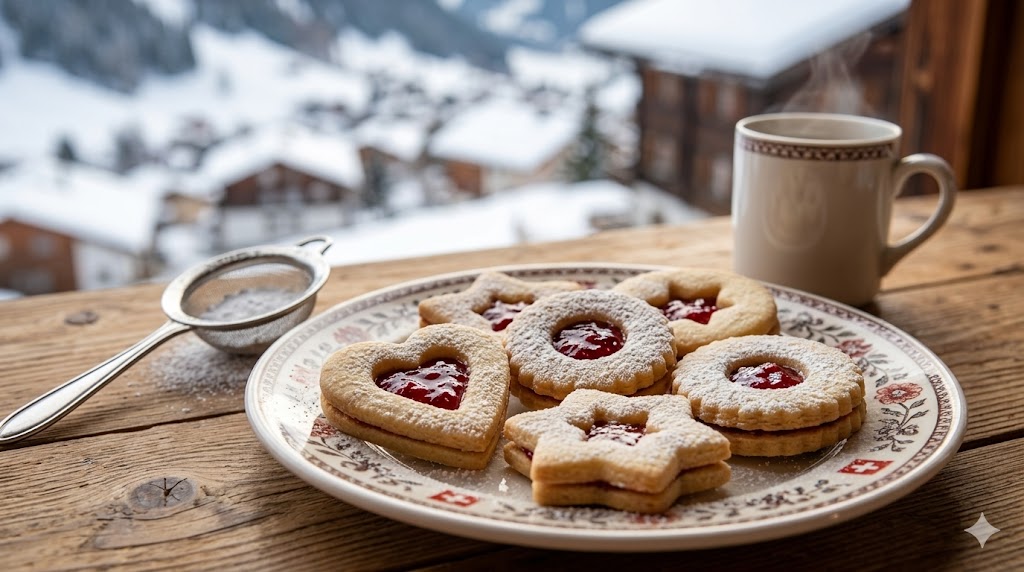
Hosts serve these delightful cookies beautifully arranged on festive holiday platters. Before serving, they generously dust the top layer with fine powdered sugar, creating a snowy contrast against the bright red jam peeking through the center hole. People love enjoying them at room temperature alongside hot coffee or warm tea.
These iconic cookies represent an essential part of Swiss Christmas traditions. The funny name translates directly to little rascals or cheeky boys in Swiss German, referring playfully to the hidden jam teasing the eye. Today, families across Switzerland bake them together every winter, passing the cherished recipe across many generations.
Wähe
Bakers make a Wähe using a simple, buttery shortcrust pastry base. They press the dough into a round, shallow tart pan. Next, cooks fill the crust entirely with sliced fresh fruits like apples, plums, or apricots. Finally, they pour a liquid custard made from milk, eggs, and sugar over everything.
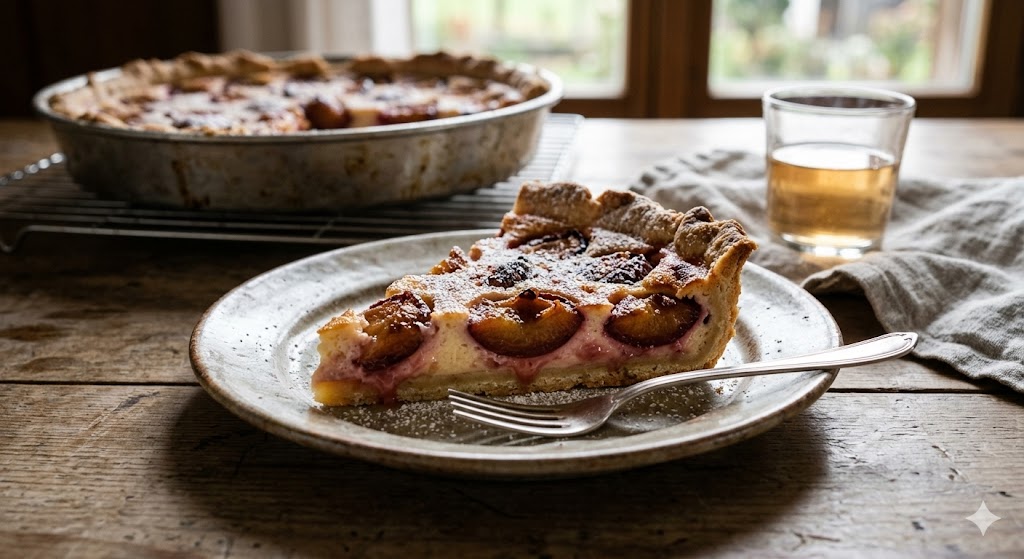
Families normally serve this rustic fruit tart warm directly from the hot oven. Hosts cut the large round pastry into generous, wide wedges. People often enjoy a sweet fruit slice during their late afternoon coffee break. Alternatively, many Swiss families eat it as a meatless main course for Friday dinner.
Historically, poor farming communities invented this dish to use leftover bread dough and fallen orchard fruits. Swiss Catholics traditionally ate it on Fridays when strict church rules forbade eating meat. Today, the delicious bake remains an iconic national staple, perfectly reflecting frugal, seasonal, and practical Swiss home cooking traditions beautifully.
Basler Brunsli
Bakers create Basler Brunsli using a naturally flourless dough made from ground almonds, sugar, and rich dark chocolate. They flavor the thick mixture heavily with fragrant cinnamon and a dash of ground cloves. The recipe completely avoids butter and wheat, relying strictly on whipped egg whites to bind everything together.
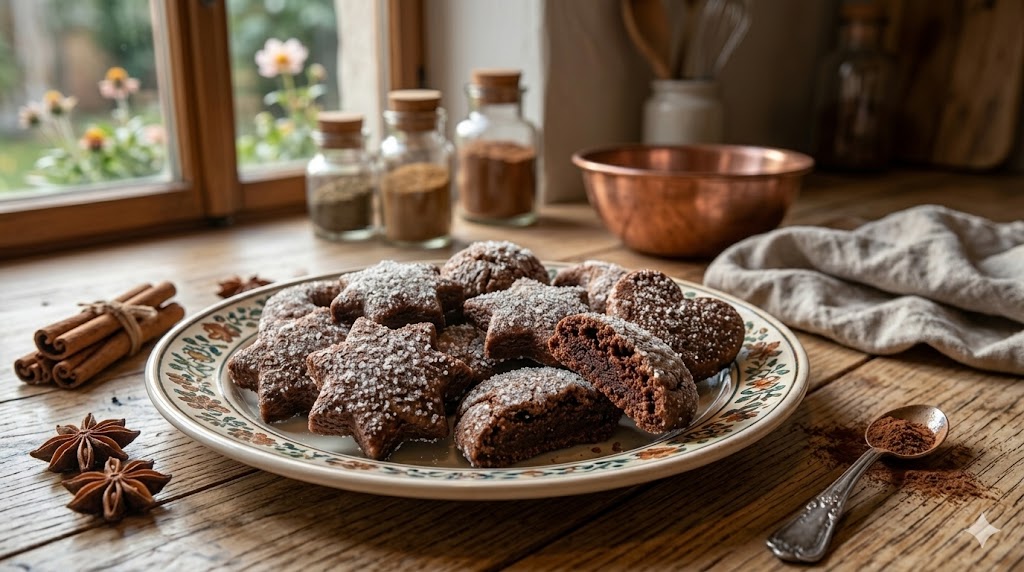
Hosts serve these chewy chocolate spice cookies during festive holiday gatherings. Before baking, cooks roll the dough in coarse sugar to create a wonderfully crisp, crackled exterior. Once cooled, people arrange the dark star shapes beautifully on dessert platters, enjoying them at room temperature alongside hot coffee or mulled wine.
This historic treat originated in the Swiss city of Basel during the eighteenth century. Wealthy families originally created the recipe to showcase highly expensive imported chocolate and warm spices. Today, the legendary brown cookie remains a treasured national Christmas staple, representing classic Swiss baking traditions proudly across the entire country.
Desserts are the fairy tales of the kitchen, a happily-ever-after to supper.
~Terri Guillemets