



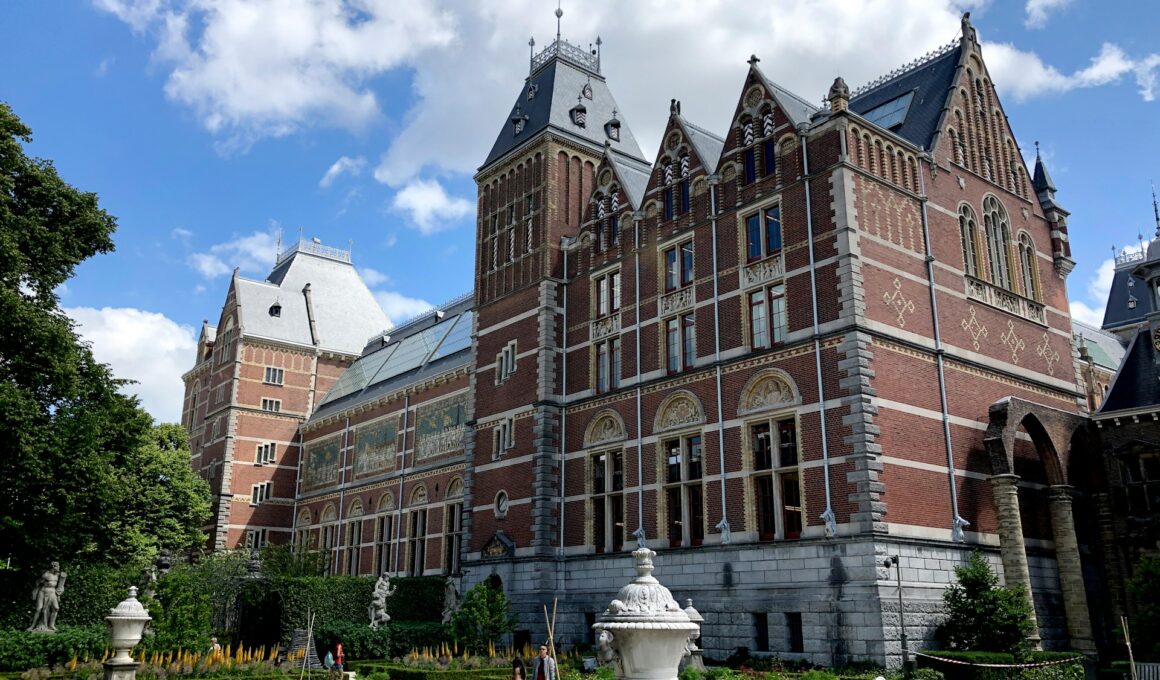
The Rijksmuseum stands as the national museum of the Netherlands, dedicated to Dutch arts and history. It dominates the Museumplein in Amsterdam South, acting as the grand anchor of the city’s famous cultural district. The imposing 19th-century building combines Gothic and Renaissance styles to house over 8,000 objects on display.
You should visit to experience the world’s greatest collection of Dutch Golden Age masterpieces, including iconic works by Rembrandt and Vermeer. The central Gallery of Honor leads you directly to the museum’s most famous painting, The Night Watch. This vast collection tells the story of 800 years of Dutch history, ranging from the Middle Ages to the 20th century.
Did You Know?
Security teams can lower the massive Night Watch painting through a special floor slot to save it during fires or emergencies.
History of The Rijksmuseum
The collection began in The Hague in 1800 as the National Art Gallery, modeled after the French Louvre. King Louis Napoleon ordered the move to Amsterdam in 1808, where the art was briefly displayed in the Royal Palace on Dam Square. It eventually settled in the Trippenhuis, but the damp conditions and lack of space threatened the paintings. Authorities eventually decided that a dedicated national museum was necessary to properly house and protect the country’s heritage.
Architect Pierre Cuypers won a public design competition in 1876 to create the new permanent home for the collection. He designed a monumental structure combining Gothic and Renaissance styles, utilizing red brick and intricate stained glass. The building opened in 1885, though it faced immediate criticism from Protestant groups who felt it looked too much like a Catholic cathedral. Despite the controversy, the structure became an architectural icon that defined the Museumplein district.
Throughout the 20th century, the museum solidified its role as the guardian of Dutch identity and the Golden Age. Curators acquired masterpieces by Rembrandt, Vermeer, and Frans Hals to tell the story of the young Dutch Republic. The museum initially separated art and history into different departments, but later merged them to present a unified narrative. This approach allows visitors today to view famous paintings alongside furniture, silver, and ship models from the same era.
A massive renovation project began in 2003 to modernize the facility and restore Cuypers’ original vision. Spanish architects Cruz and Ortiz spent ten years transforming the interior, removing later additions to reveal the grand, light-filled atrium. The museum reopened in 2013 with a completely new layout that guides visitors chronologically through 800 years of history. This renewal re-established the Rijksmuseum as one of the most modern and accessible art institutions in the world.
Did You Know?
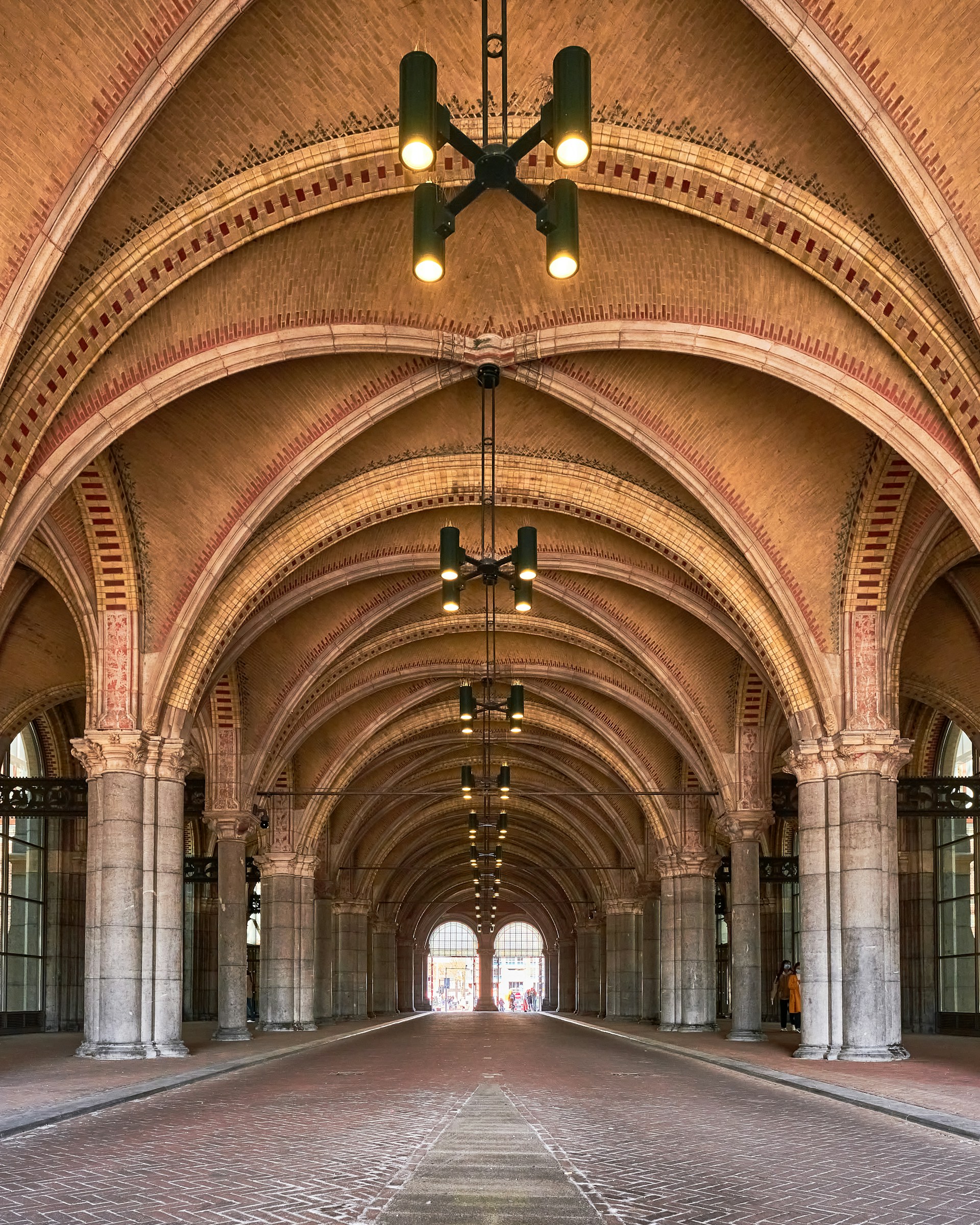
Local cyclists ride their bikes daily through the public tunnel that cuts directly through the heart of the main museum building.
What to Expect
The Rijksmuseum displays thousands of objects across four floors, so wandering without a plan can quickly lead to museum fatigue. Focusing on these specific masterpieces helps you navigate the vast collection and understand the defining moments of Dutch art and history.
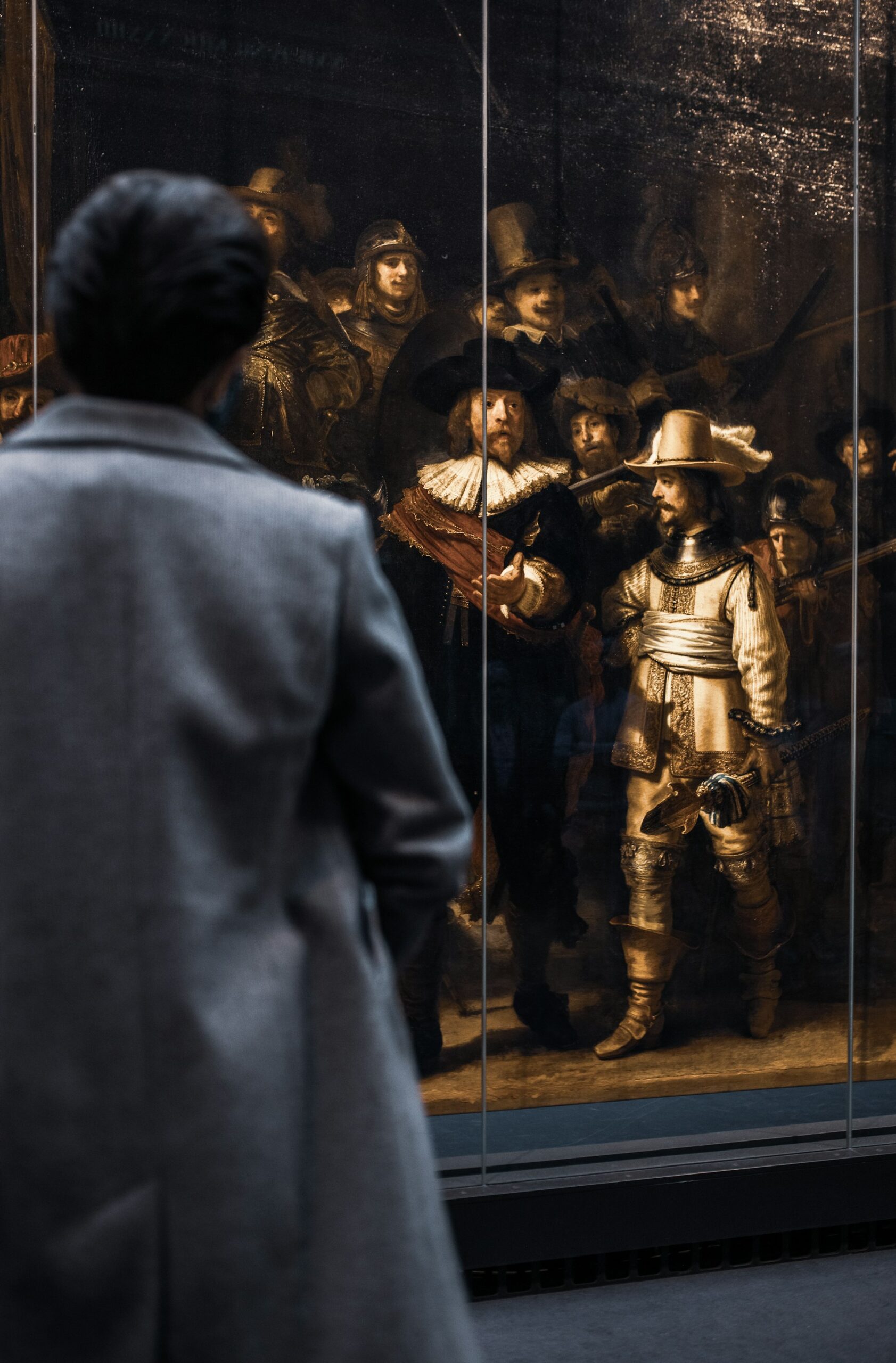
The Night Watch
Rembrandt painted this massive canvas to show the civic guard in dynamic action rather than static poses. It hangs at the end of the Gallery of Honour as the undisputed centerpiece of the museum.
The Milkmaid
Johannes Vermeer captured a quiet domestic moment with incredible attention to light and texture. You can observe the intense concentration on the servant’s face and the realistic flow of the milk.
Self-Portrait by Van Gogh
This 1887 painting shows the artist adopting the brighter colors and loose brushstrokes of the Impressionists in Paris. It marks a key transition in his style before he moved to the south of France.
The Dollhouses
Wealthy 17th-century women commissioned these cabinet houses to display their status rather than for children’s play. Petronella Oortman spent as much money furnishing her miniature home as a real canal house cost at the time.
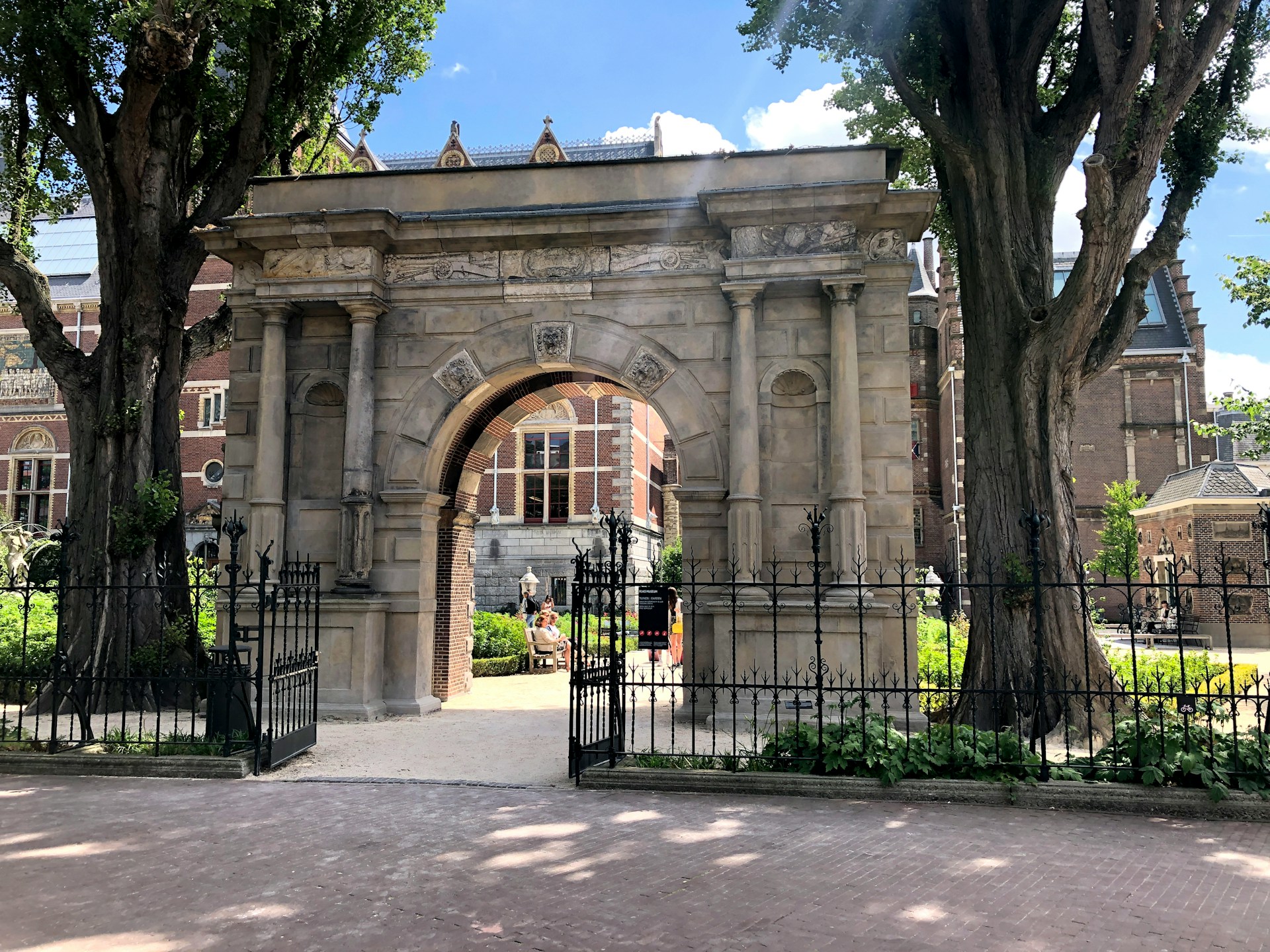
The Rijksmuseum Gardens These free public gardens surround the museum building and serve as an open-air gallery for sculpture exhibitions. You can relax among historic flowerbeds and fountains without needing an entrance ticket to enjoy the art.
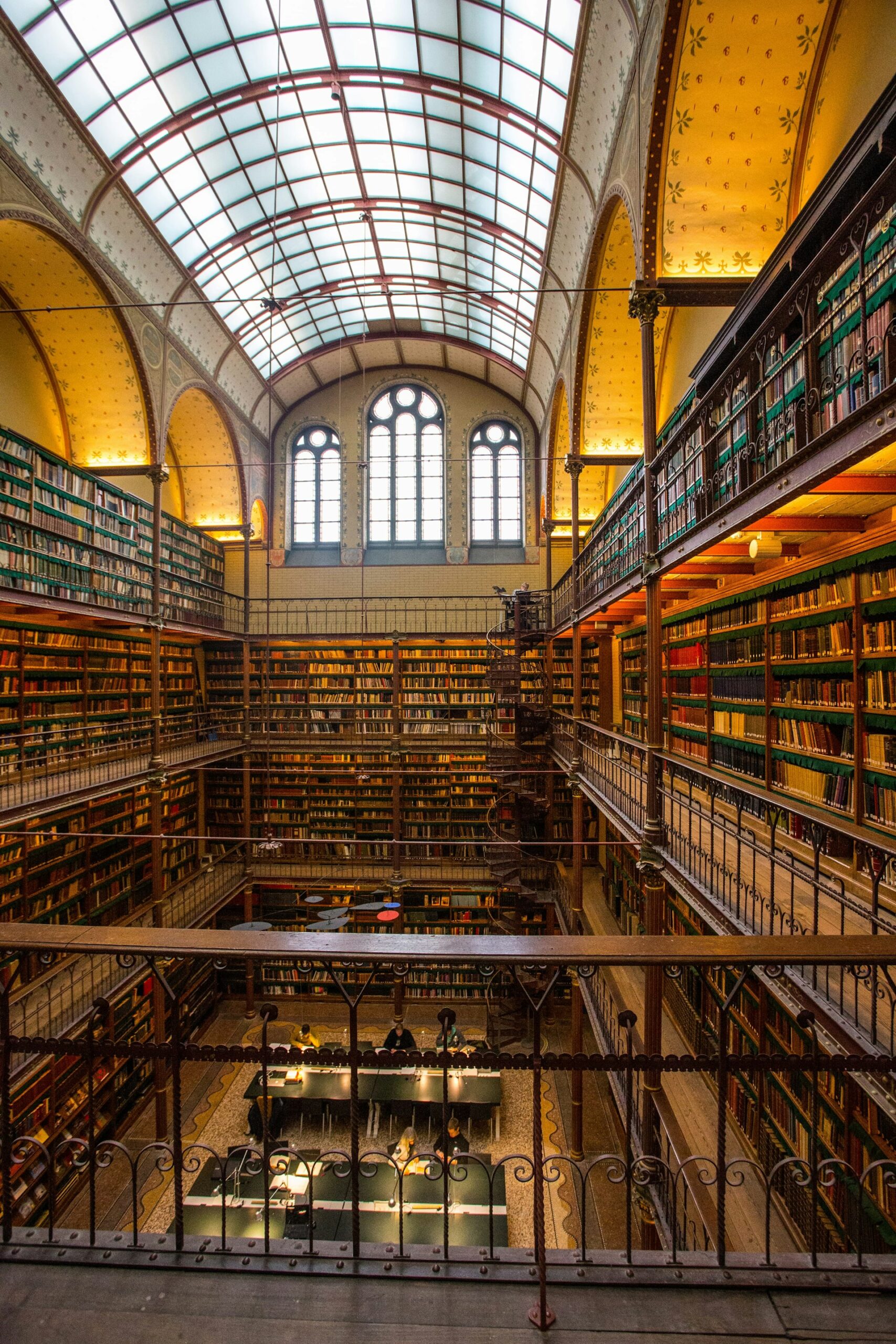
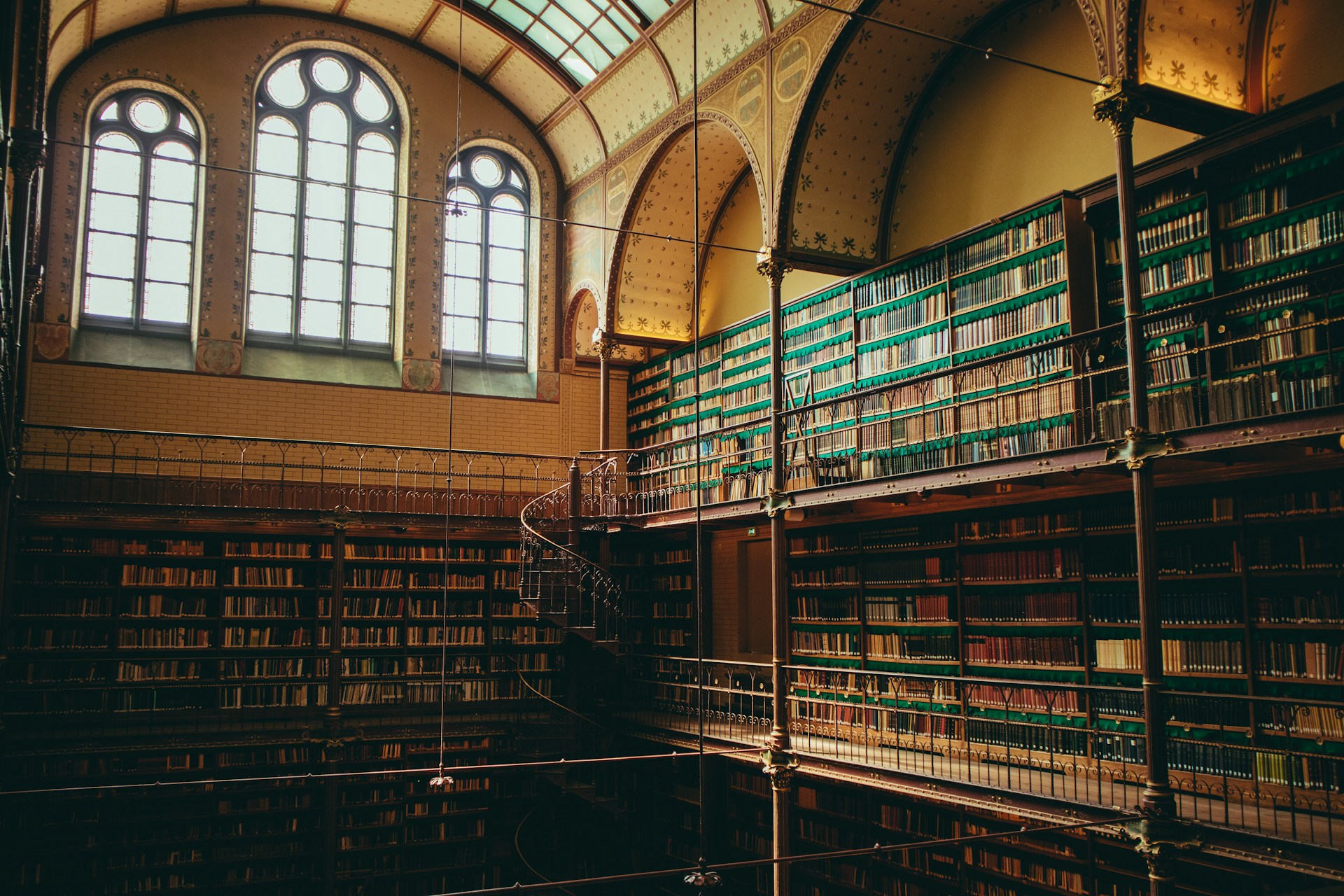
Cuypers Library
This multi-story reading room features spiraling iron staircases and soaring skylights designed by Pierre Cuypers. It remains the largest and oldest public art history research library in the Netherlands.
The Threatened Swan
Jan Asselijn painted this aggressive swan defending its nest to symbolize Dutch national resistance against enemies. It holds special significance as the very first purchase ever made for the national collection.
Gallery of Honour
This central corridor mimics the architecture of a cathedral nave with alcoves dedicated to great masters. It leads your eye directly to the Night Watch and celebrates the pinnacle of the Dutch Golden Age.
William Rex Ship Model
This intricate scale model of a 17th-century warship showcases the naval power of the Dutch Republic. Shipwrights constructed it in 1698 to preserve the specific design details of the actual flagship.
Did You Know?
Angry Protestant critics initially rejected the building design because the neo-Gothic architecture resembled a Catholic cathedral too closely for their taste.
Image Library
This photo library displays the majestic scale of the Netherlands’ national museum. You can view the intricate neo-Gothic details of the brick facade and the grand stained glass windows of the Great Hall. Use these pictures to scout the best angles for your own photography or to spot the hidden masonry figures you might miss during a casual walk.
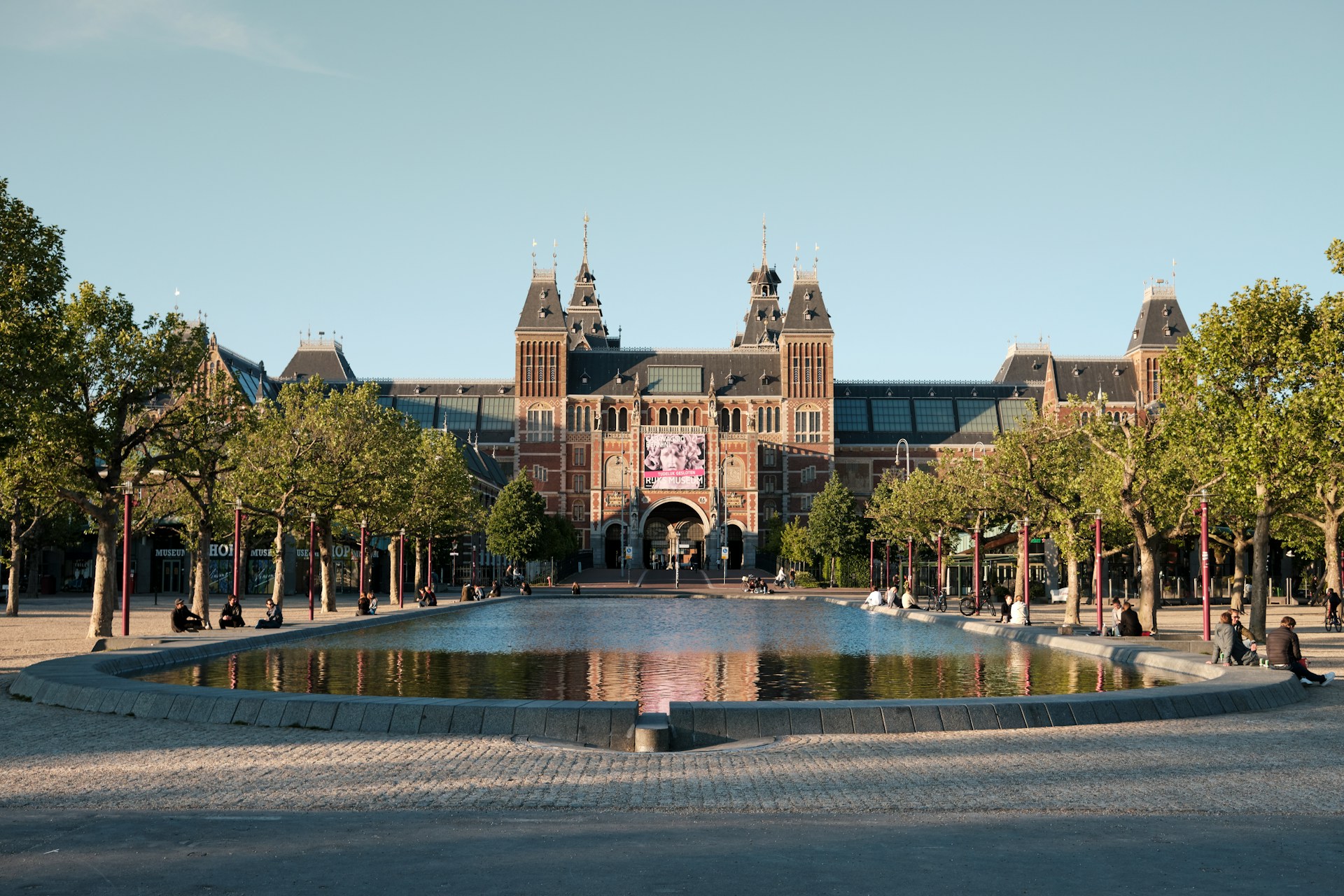
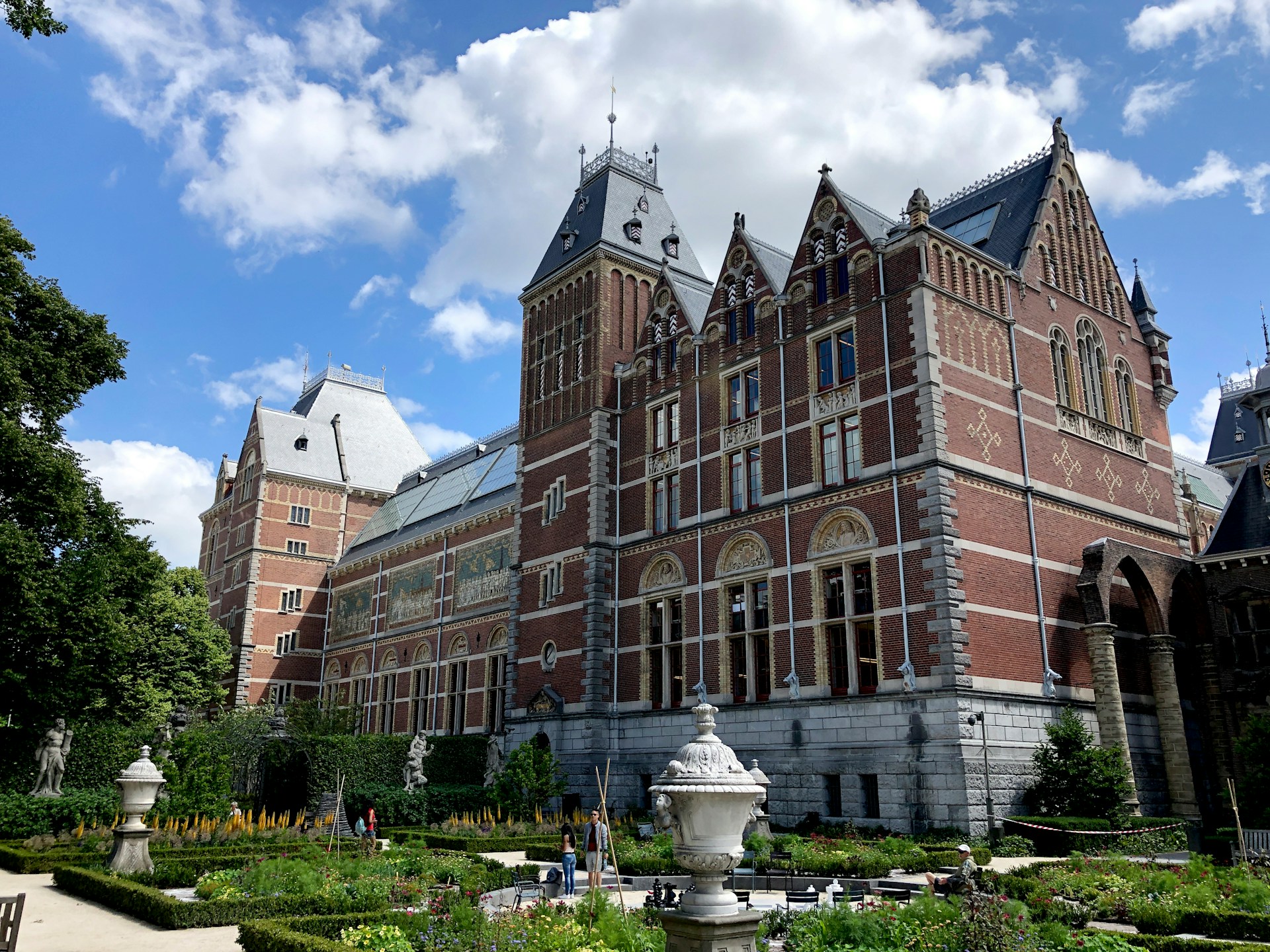
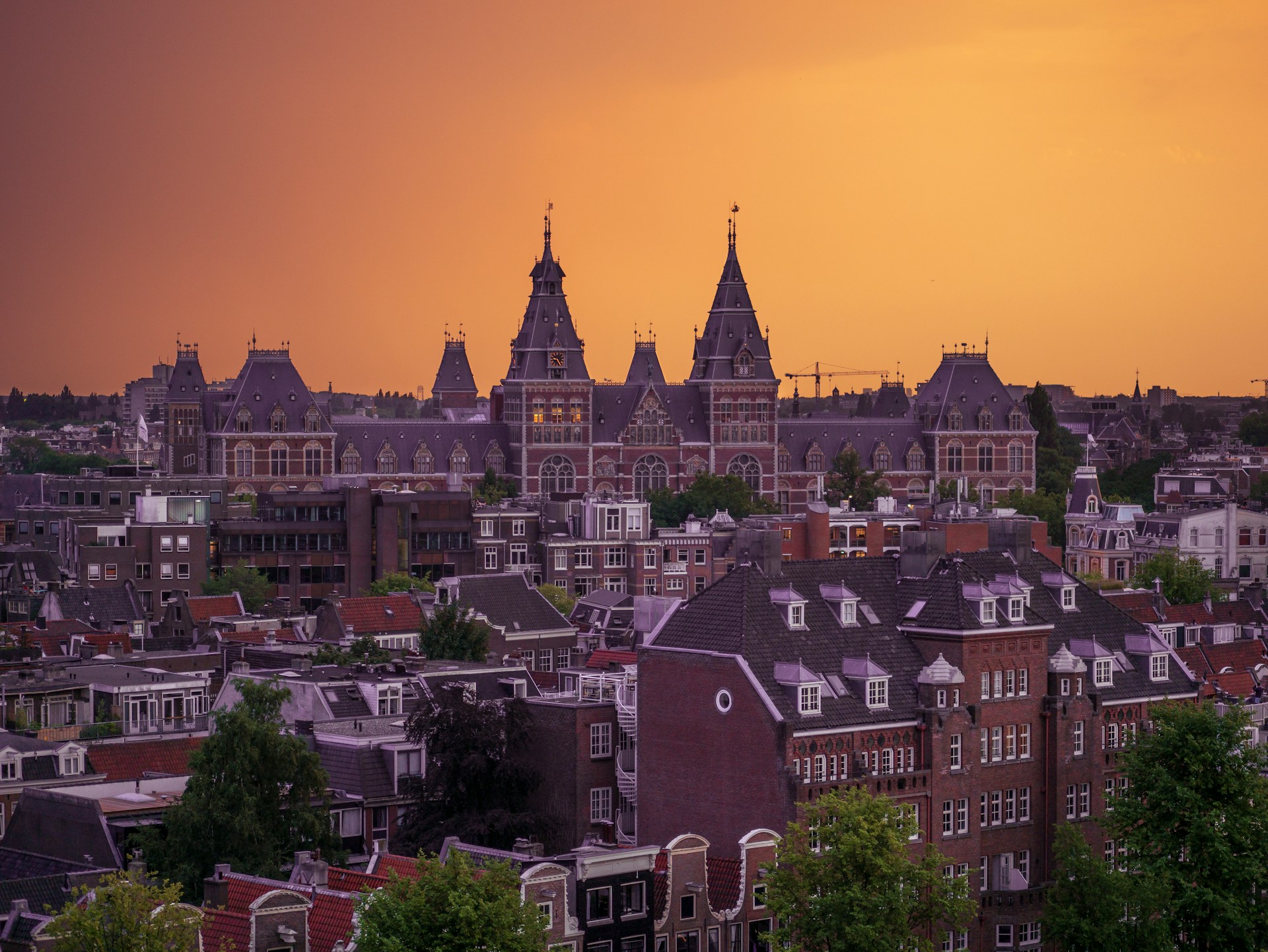
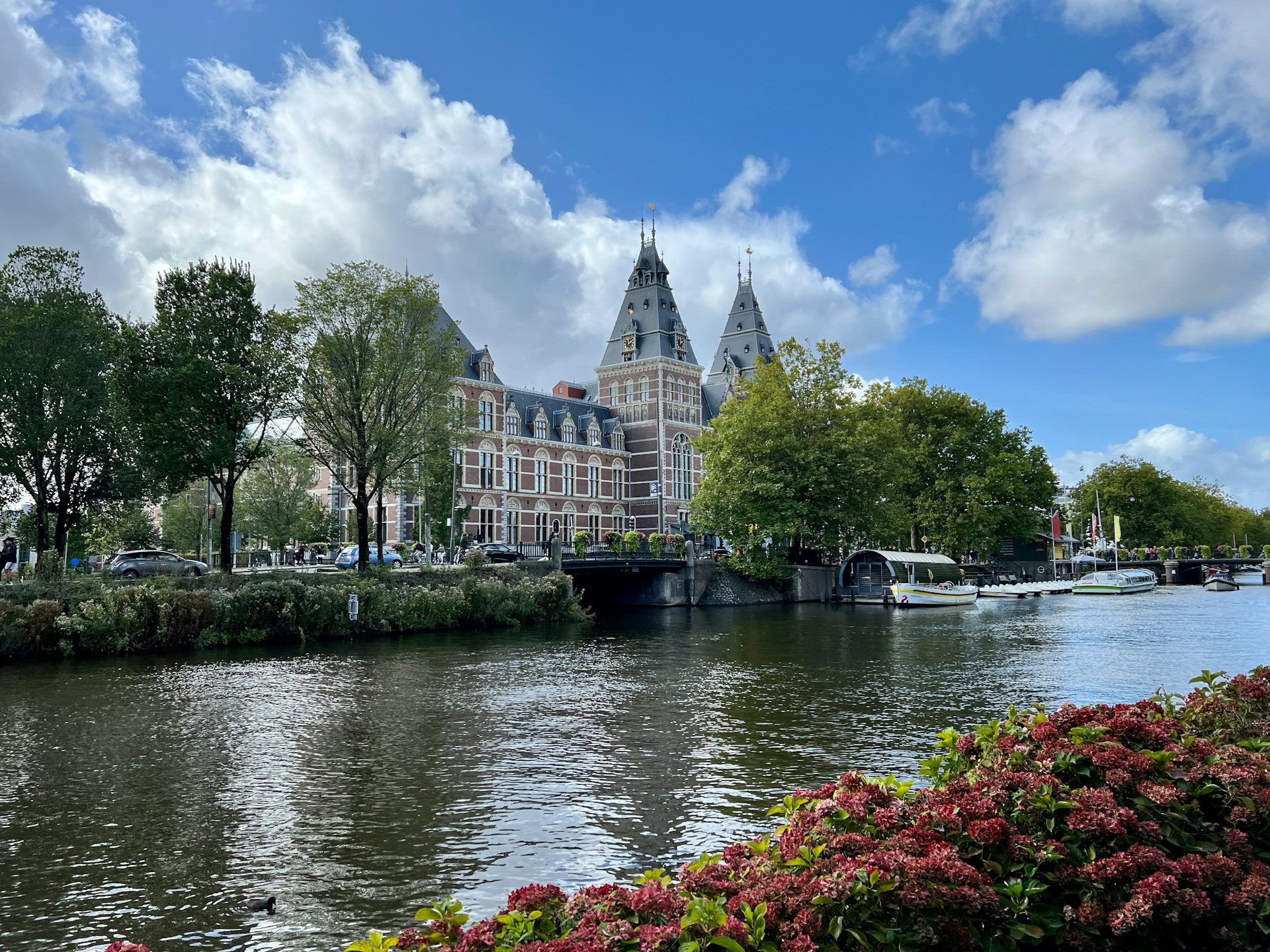
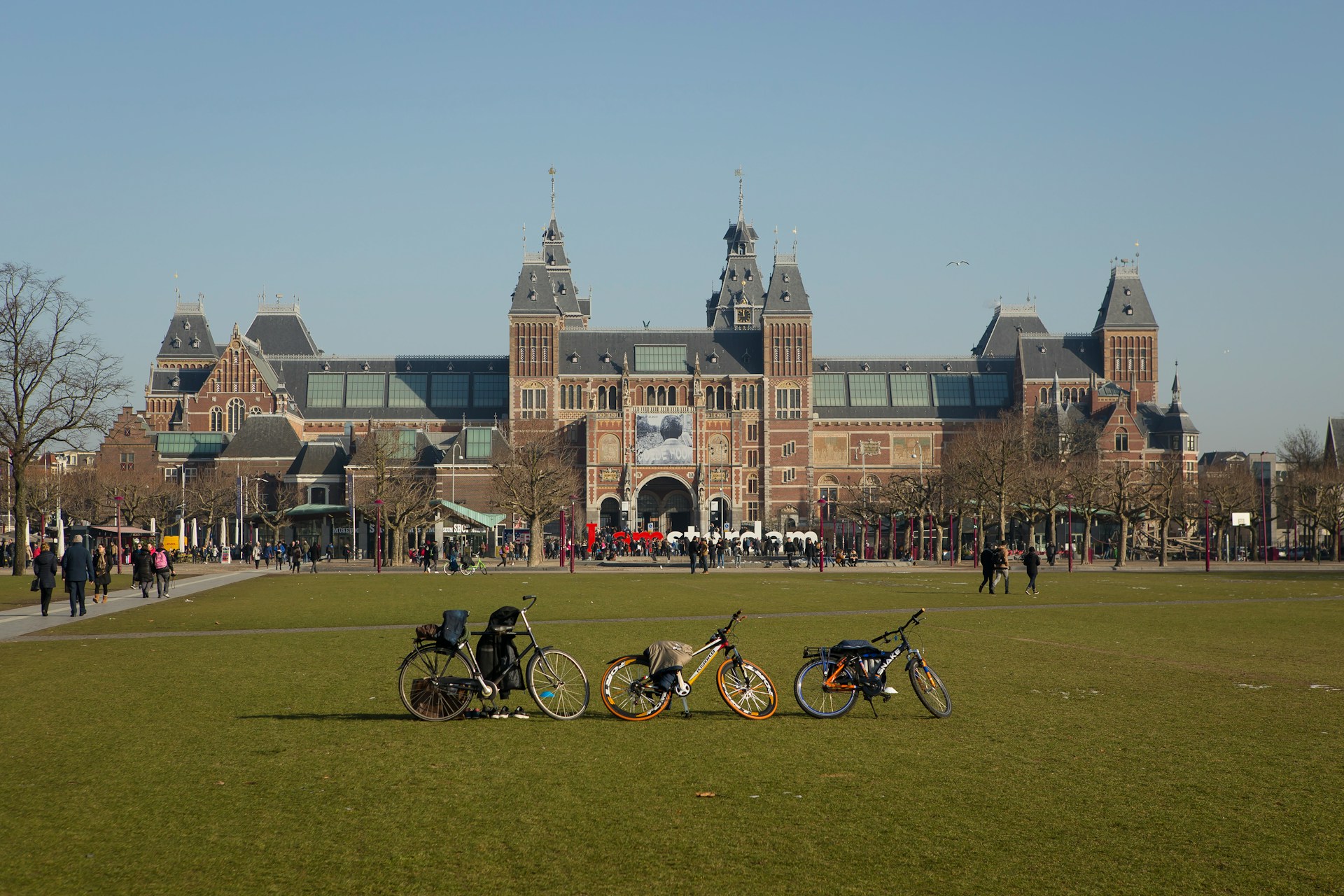
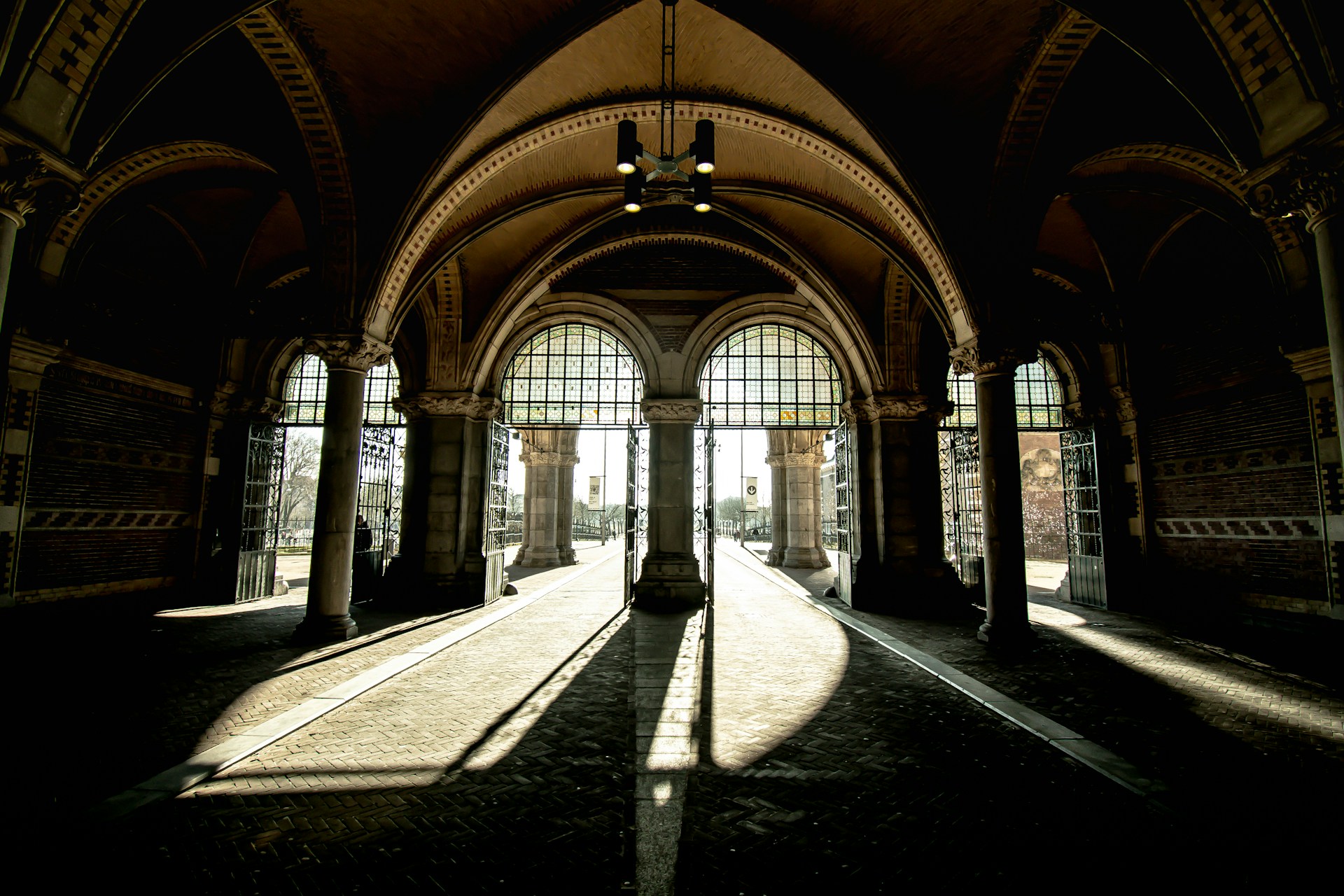
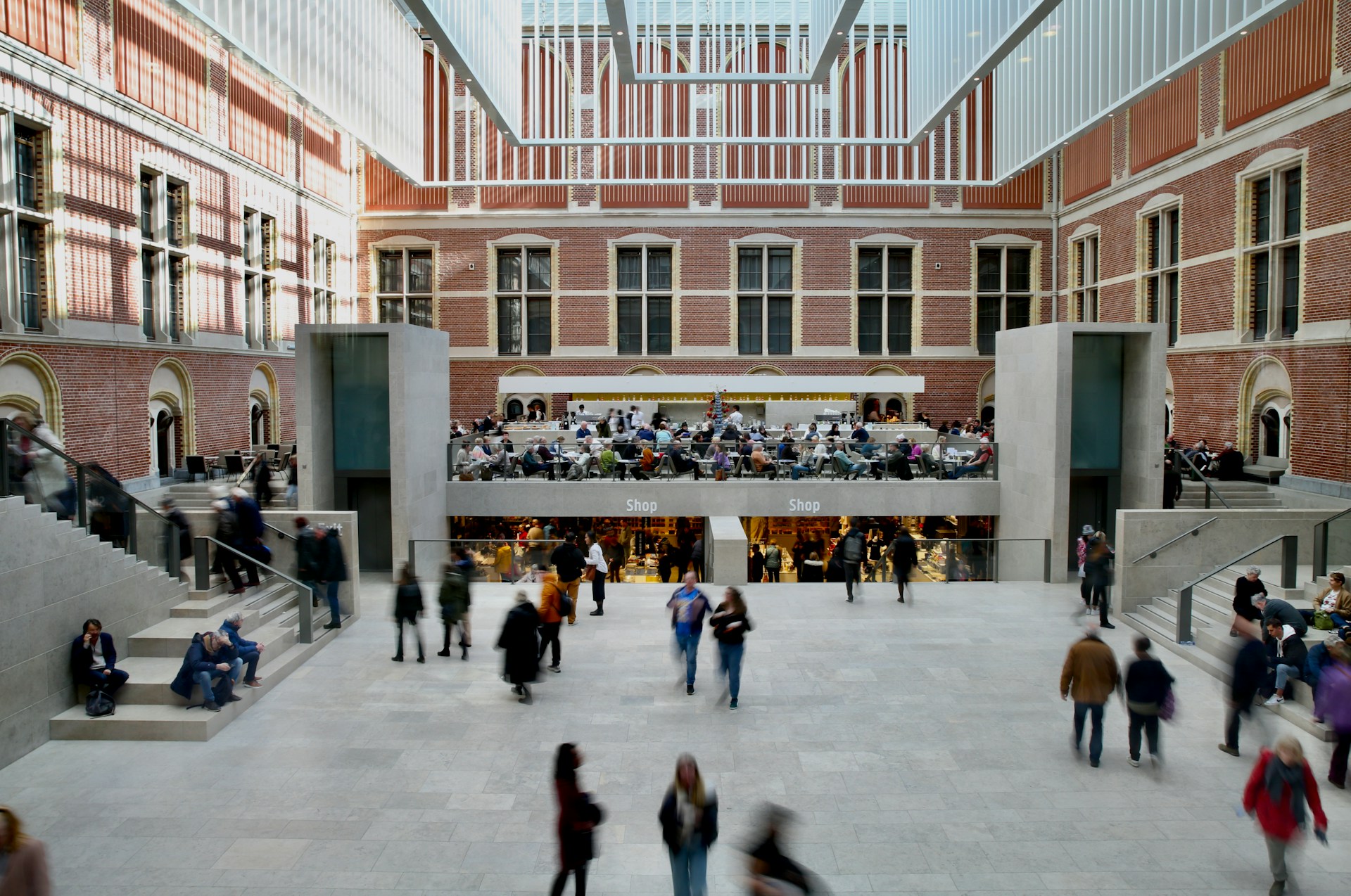
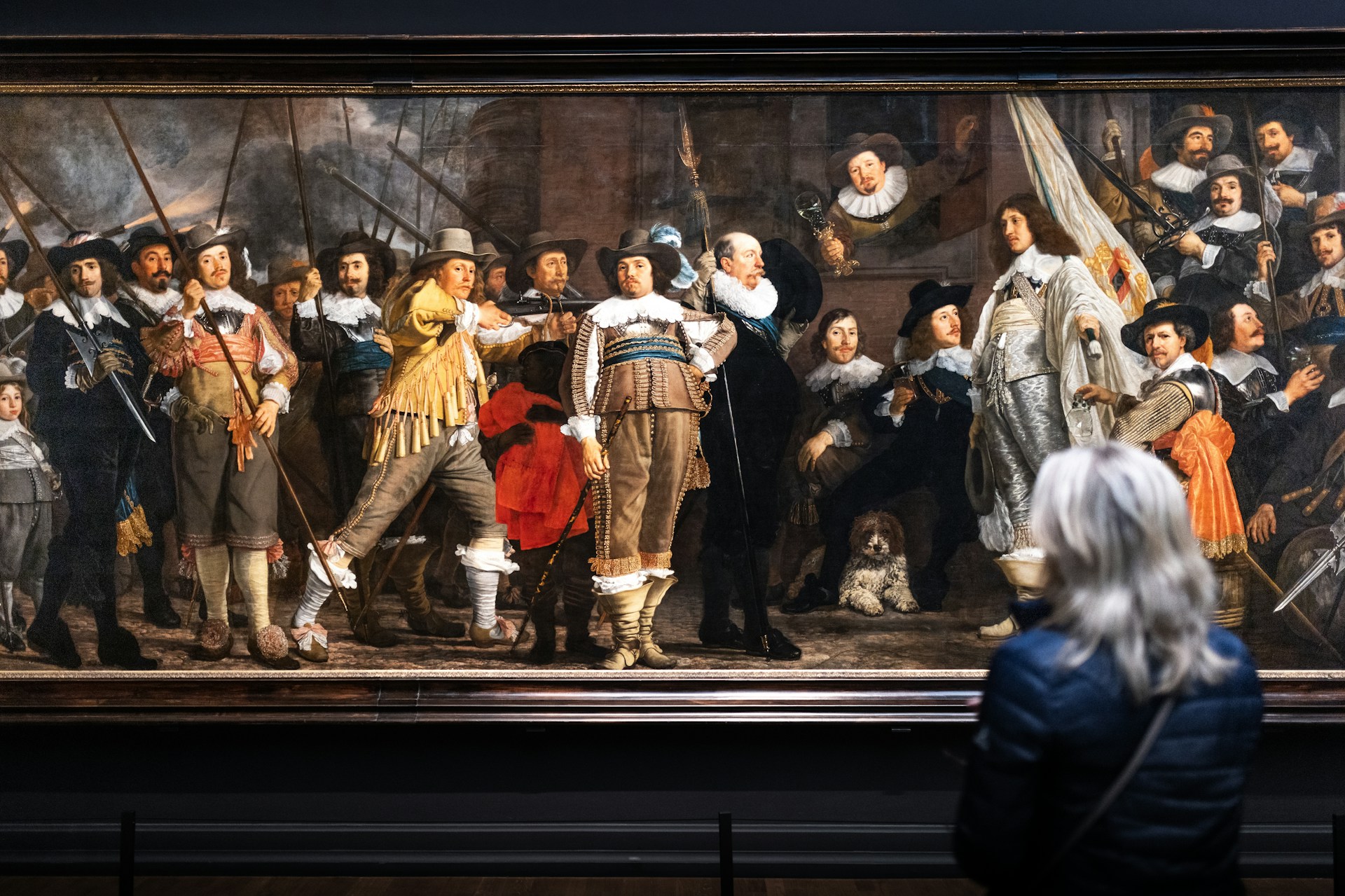
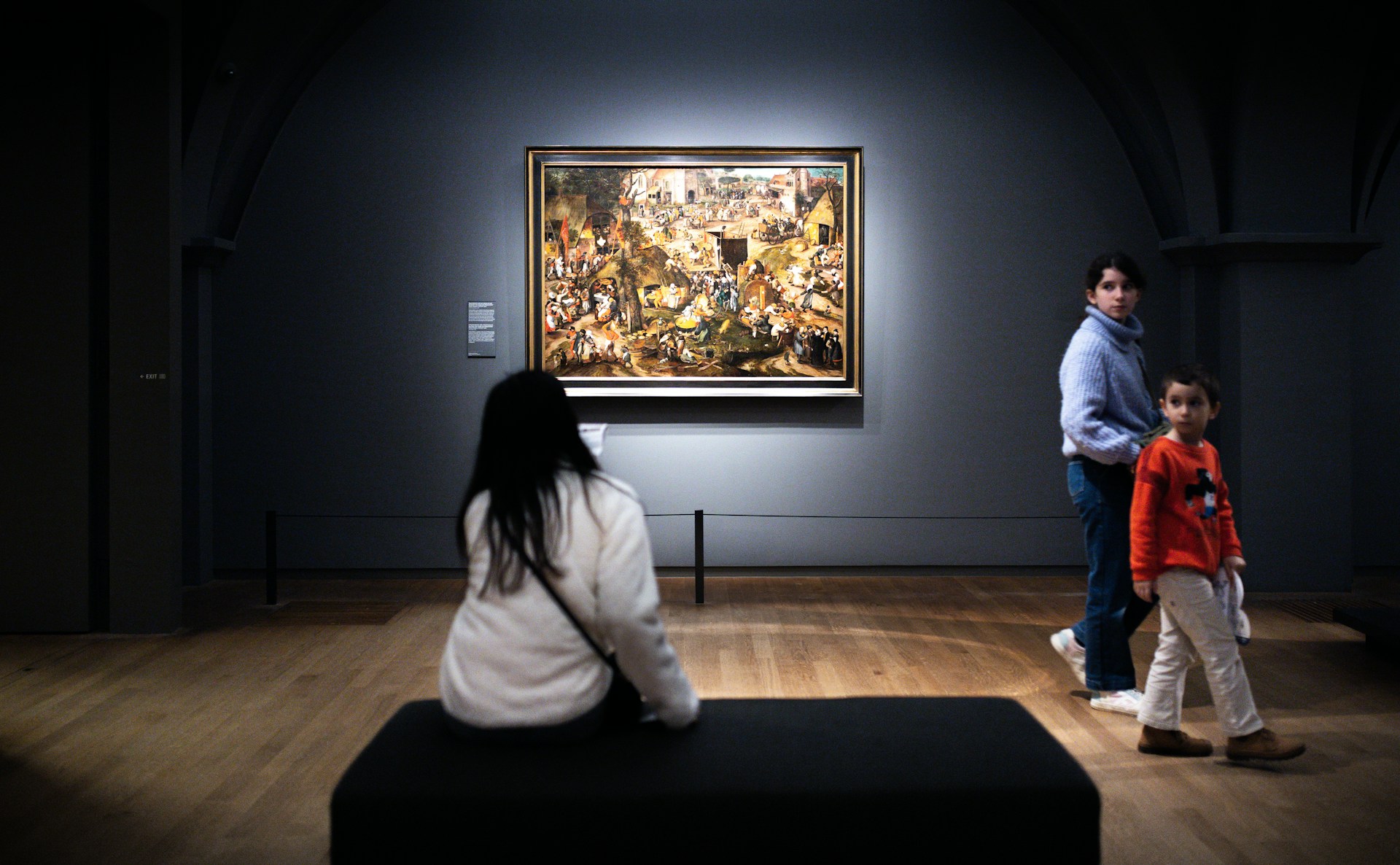
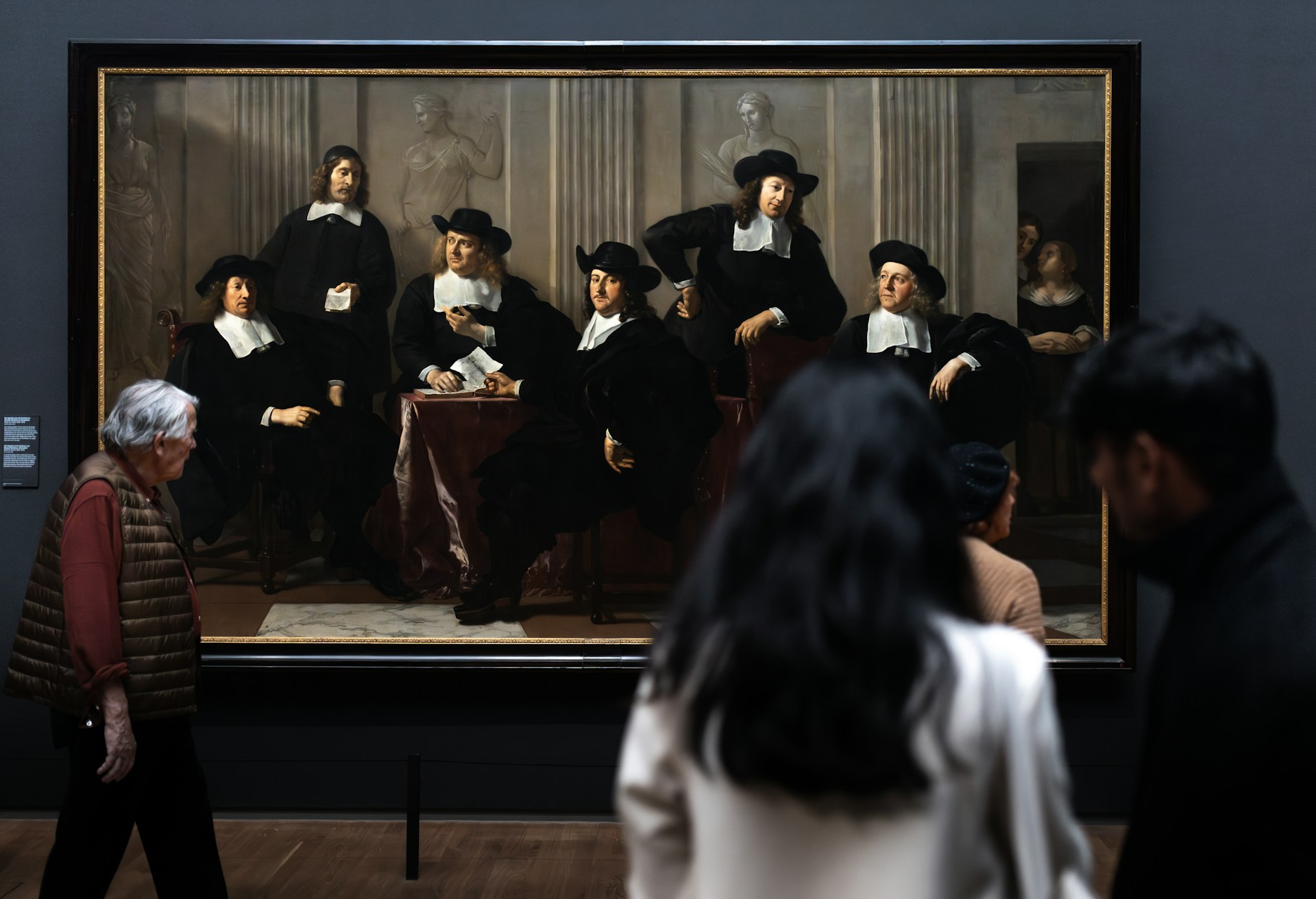
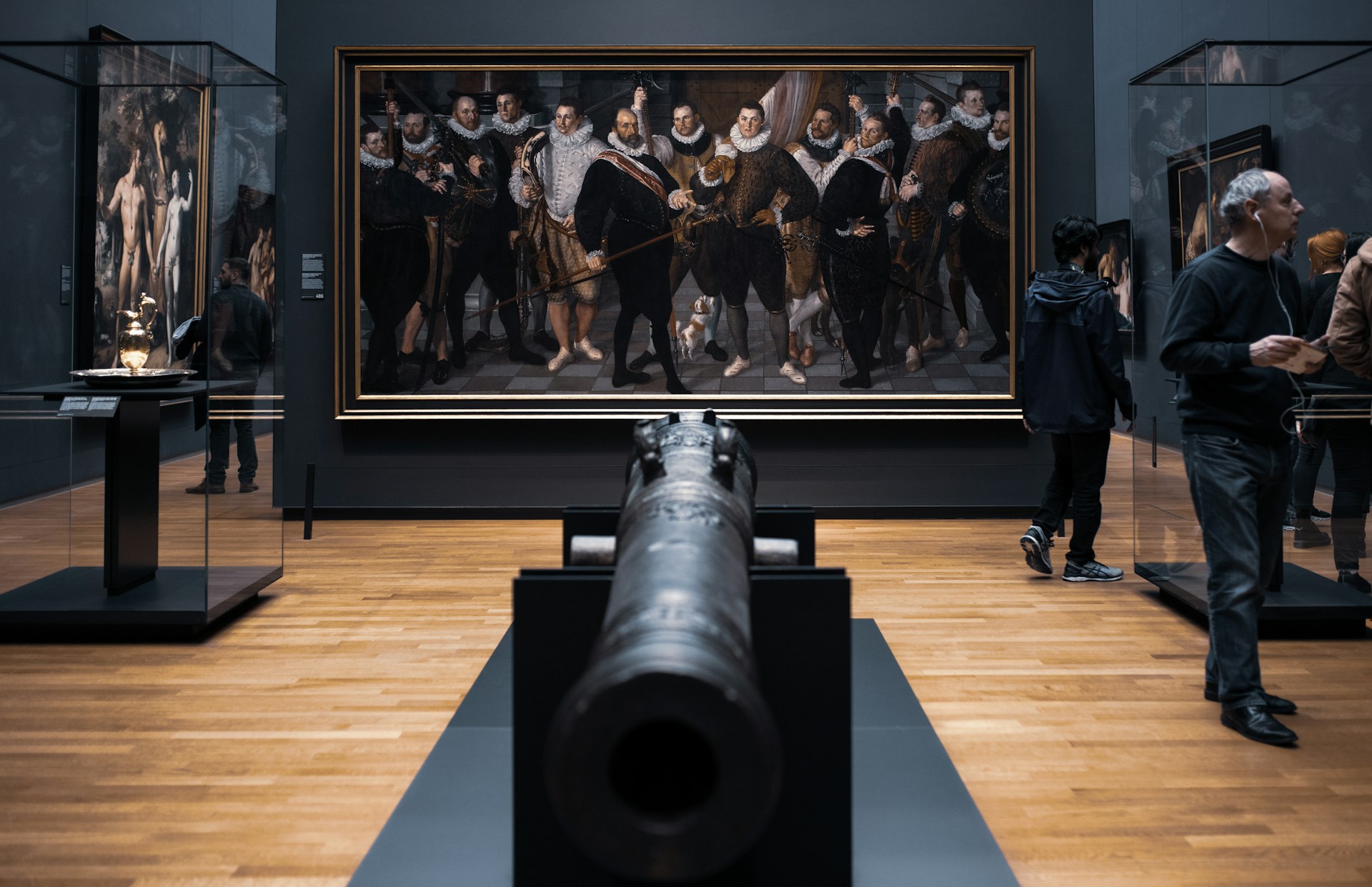
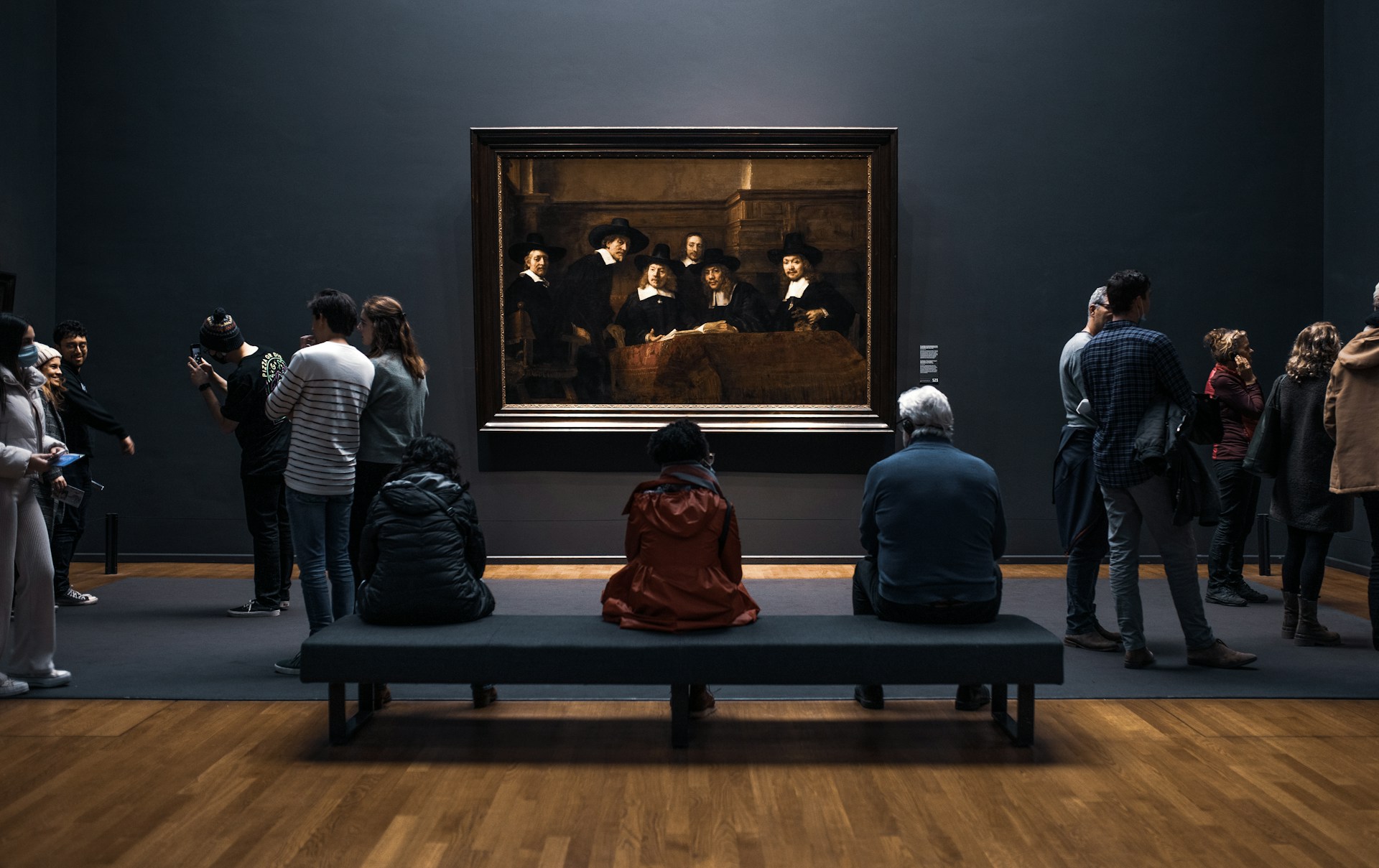
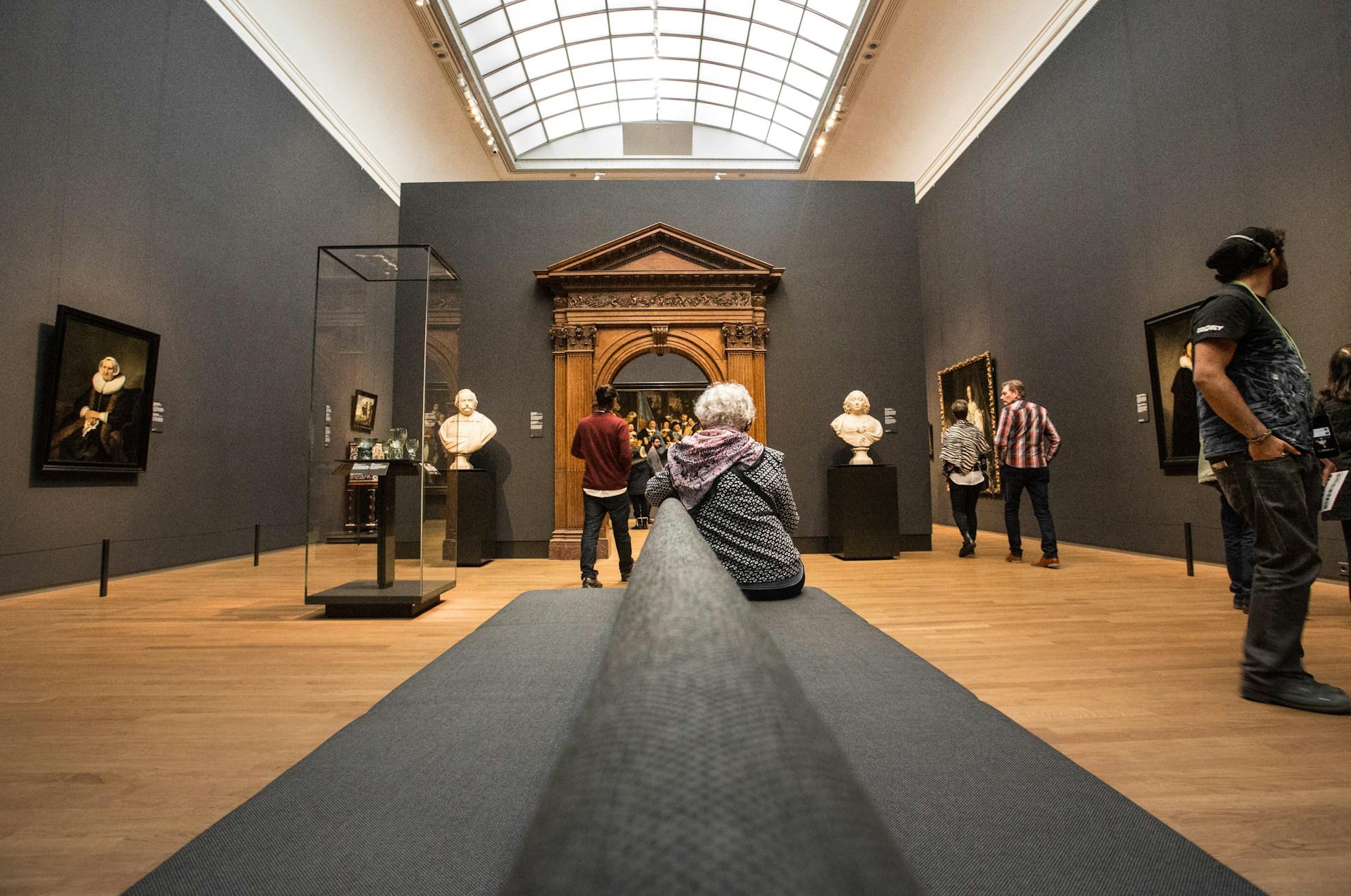
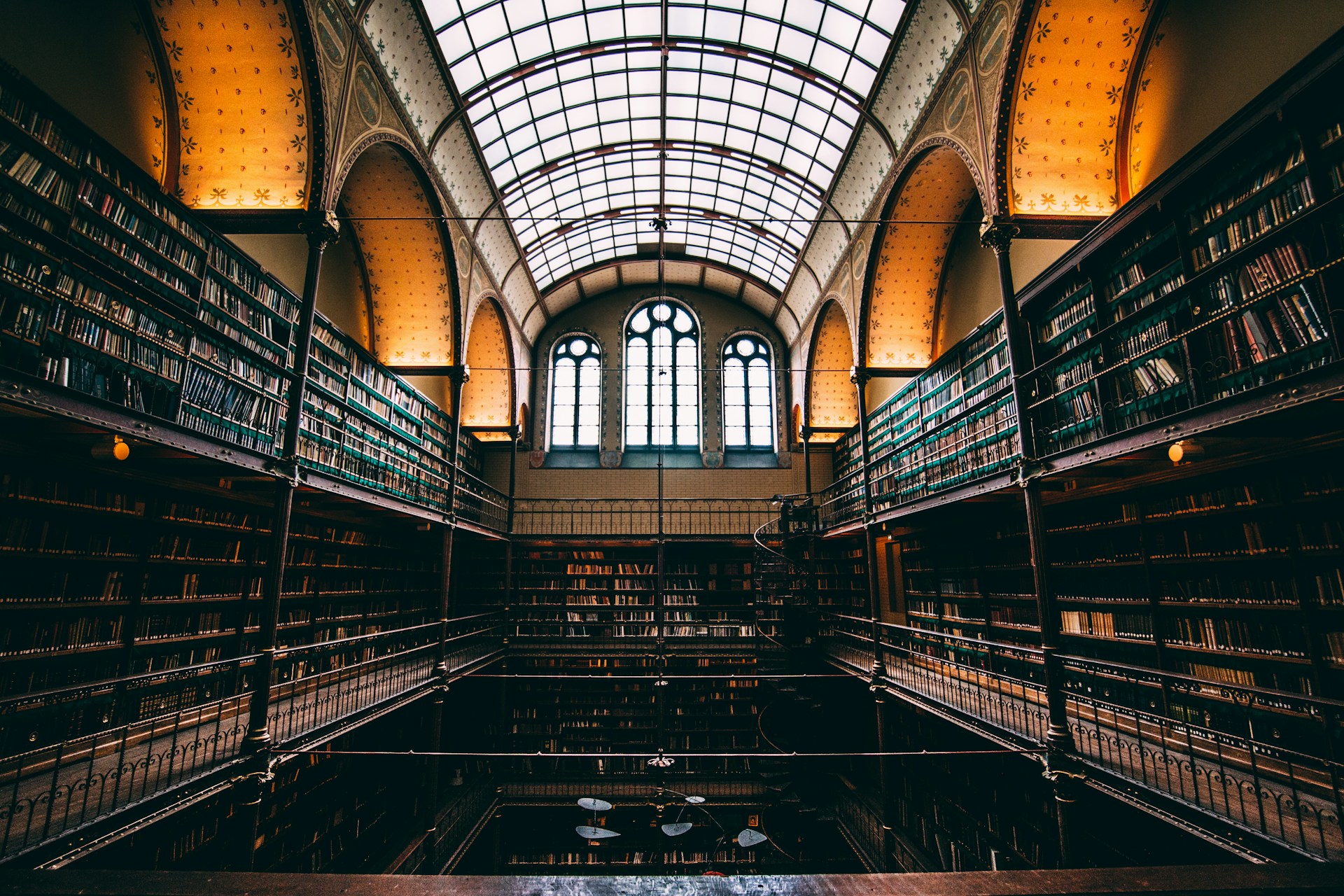
Use these images to understand the layout, art, and atmosphere of the museum before your visit or to revisit the masterpieces afterward. They also show how changing light, seasons, and the surrounding Museumplein gardens shape the mood of the building at different times of day.
Did You Know?
The museum displays only eight thousand objects from a total collection that actually contains more than one million historic items.
Book Tickets & Activities
The Rijksmuseum is the most visited museum in the Netherlands and requires a reserved start time for entry to manage the crowds. Booking in advance is essential to secure your preferred slot, as tickets frequently sell out days ahead. This helps you avoid disappointment at the door and plan your visit smoothly, especially during weekends and school holidays.
Tiqets.com
Tiqets.com is a reliable platform that offers entry tickets and additional packages for a unique experience. It provides options such as skip-the-line tickets, guided tours, or combination deals that include visits to iconic landmarks.
GetYourGuide.com
GetYourGuide.com is an excellent platform for securing your tickets. In addition to standard access, GetYourGuide offers comprehensive packages like private tours, bundled sightseeing passes, and much more.
Did You Know?
Town hall officials carelessly trimmed the edges of The Night Watch in 1715 so the canvas would fit between two doors.
Location & Access
The Rijksmuseum anchors the Museumplein in the elegant Oud-Zuid district, sitting just south of the historic canal belt. The neo-Gothic building commands the spacious square, sharing the green space with the Van Gogh and Stedelijk museums. While the surrounding lawns bustle with picnics and events, the museum itself creates a dignified gateway between the old city and the modern south.
For those using public transport, the journey is straightforward via Amsterdam’s extensive tram network. You can catch a tram from Central Station or Amsterdam Zuid that stops directly in front of the main entrance. Alternatively, the North-South metro line drops you at Vijzelgracht station, leaving just a short five-minute walk along the canal to the museum gardens.
Driving is an option, though navigating the city center traffic is challenging. A large underground parking garage is situated directly beneath the Museumplein, offering immediate access to the entrance. However, many travelers prefer the cheaper Park + Ride facilities on the city outskirts to avoid high parking fees. Regardless of how you arrive, you must book tickets and a specific entry time online in advance to guarantee admission.
Did You Know?
Architect Pierre Cuypers painted his own face into the building decoration as one of the stone masonry figures near the roof.
Practical Information
Visiting the Rijksmuseum is a marathon rather than a sprint, so proper preparation ensures you enjoy the art without fatigue. The museum covers a vast area, but excellent modern facilities and clear routing make it surprisingly easy to navigate. Understanding the strict bag policies and the best times to visit helps you avoid common logistical headaches.
Accessibility & Practical Information
- Wheelchair Access: The entire museum is fully accessible, with lifts serving all floors. You can borrow wheelchairs at the entrance or book them in advance.
- Cloakroom: A free guarded cloakroom and lockers are available for small bags and coats. Note that the museum strictly rejects any bag larger than standard A4 paper size.
- Multimedia Guide: Download the free Rijksmuseum app on your own phone before you arrive. It offers excellent guided tours and navigation, so remember to bring your headphones.
- Dining: You can grab coffee and lunch at the Café within the atrium without needing a ticket. The Rijks restaurant offers fine dining in a separate wing of the building.
- Wi-Fi: Free and fast Wi-Fi is available throughout the building to help you use the museum app.
Tips & Warnings
- Beat the Crowds: The galleries are busiest between 11:00 and 15:00. arrive immediately at 09:00 or visit after 15:30 to enjoy The Night Watch with fewer people.
- Strict Booking: You must book a start time online, even if you have a discount card like the I amsterdam City Card or Museumkaart.
- Luggage Storage: The museum does not store suitcases or large backpacks. You must leave large luggage at your hotel or at the storage facilities on Museumplein.
- Cashless: The museum operates as a cashless environment. You can only pay with debit or credit cards at the ticket desks, shops, and restaurants.
- Routing: Start on the second floor at the Gallery of Honour if you want to see the major highlights first while your energy is high.
Photography Tips
- No Flash: Modern sensors in the galleries detect flash photography immediately. Keep your camera on high ISO settings to cope with the controlled lighting.
- Rules: You may take photos for personal use, but the museum strictly bans flash, tripods, and selfie sticks to protect the artwork and other visitors.
- Cuypers Library: The best viewpoint is from the second-floor balcony looking down. This angle captures the spiral stairs and skylight without disturbing researchers below.
- The Passage: The public bicycle tunnel running under the museum offers unique architectural framing and excellent natural light for street photography.
Did You Know?
Curators hid the most valuable masterpieces in underground caves near Maastricht to protect them from bombing raids during World War II.
Contact Details
For general information about visiting the Rijksmuseum, tickets, access, and tours:
E-mail: info@rijksmuseum.nl
Phone: +31 20 674 70 00
Website: https://www.rijksmuseum.nl/en/
Address:
Rijksmuseum
Museumstraat 1
1071 XX
Amsterdam
The Netherlands
Opening Hours: The museum is open every day of the year, including all national holidays. Booking a start time online in advance is required for all visitors.
- Closed: The museum is open 365 days a year, including Christmas Day and New Year’s Day.
- Daily: 09:00 to 17:00.
- Gardens: Daily 09:00 to 18:00 (Free access).
Did You Know?
The library inside the museum remains the largest and oldest public art history library still in use in the Netherlands today.