


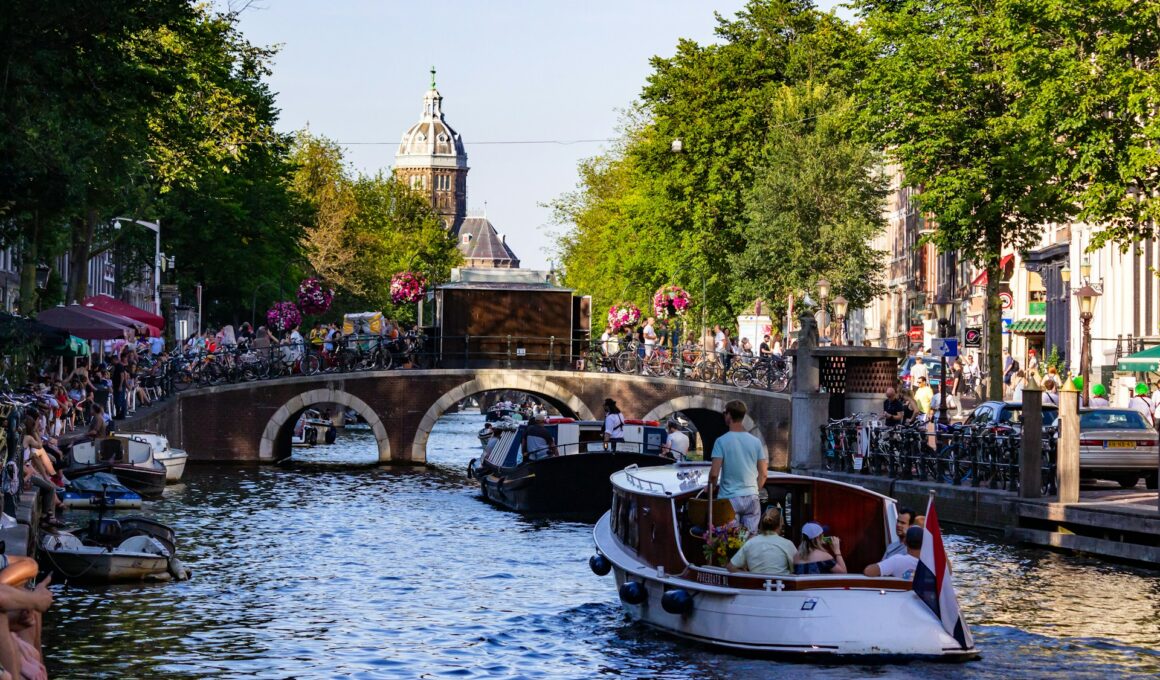
The Oudezijds Voorburgwal is the oldest canal in Amsterdam, cutting directly through the medieval core of the city known as De Wallen. Originally dug as a defensive moat in the 14th century, it now serves as the central artery of the famous Red Light District. The waterway connects the Grimnessesluis to the Zeedijk, flanked by bustling quays, historic bridges, and a mix of architecture.
Beyond the neon lights, this area is historically significant as the birthplace of Amsterdam’s religious and municipal power. You can visit the monumental Oude Kerk, the city’s oldest building, or explore the secret hidden church at Museum Ons’ Lieve Heer op Solder. A stroll here offers a fascinating mix of sights, including the grand former City Hall and the renowned House on the Three Canals.
Did You Know?
Medieval city planners originally dug this waterway in the fourteenth century to serve as a defensive moat protecting the city.
Table of Contents
History of the Canal
The Oudezijds Voorburgwal was originally excavated in the 14th century as a defensive moat to protect the eastern side of the growing medieval city. It served as a critical part of Amsterdam’s early fortifications and water management system before the city expanded further outward. As the “Old Side” (Oudezijde) developed, the canal evolved from a military boundary into a bustling central artery for trade and transport. By the 15th century, the area was already densely packed with monasteries and convents, establishing it as a religious hub long before it became known for entertainment.
During the Dutch Golden Age in the 17th century, the canal flourished as a prestigious address for the city’s elite merchants and politicians. The southern section was famously nicknamed the “Fluwelen Burgwal” (Velvet Burgwal) because its wealthy residents could afford to dress in luxurious velvet clothing. In sharp contrast, the northern quay near the Oude Kerk was known as the “Bierkaai” (Beer Quay), where heavy barrels were unloaded by famously strong laborers. This rough area gave rise to the Dutch idiom “fighting against the Bierkaai,” which means engaging in a hopeless battle.
The religious character of the canal shifted dramatically after the Protestant Alteration of 1578, when the Catholic government was overthrown and public Catholic worship was banned. While the massive Oude Kerk became Protestant, devout Catholics were forced to worship in secret, leading to the creation of hidden churches like the one preserved at Museum Ons’ Lieve Heer op Solder. The area also became a center for learning; the Agnietenkapel, a former convent chapel on the canal, hosted the very first lectures of what would become the University of Amsterdam in 1632.
Over the centuries, the aristocracy eventually moved to the grander Herengracht, and the Oudezijds Voorburgwal gradually transformed into the heart of the Red Light District. Prostitution had existed here since the Middle Ages to serve sailors, but it became more visible with the rise of window brothels in the 20th century. Today, the canal is a protected cityscape lined with over 100 national monuments, where neon lights stand side-by-side with Renaissance facades and medieval history.
Did You Know?
Locals historically nicknamed a section the “Velvet Burgwal” because the wealthy residents there could afford to dress in expensive velvet.
What to Expect
As the oldest canal in Amsterdam, the Oudezijds Voorburgwal offers a fascinating collision of medieval history, high culture, and the gritty energy of the famous Red Light District. Originally dug in the 14th century as part of the city’s defenses, this waterway is lined with over 100 national monuments, proving that there is much more to “De Wallen” than just neon lights.
A walk here takes you past the birthplace of the city’s university, hidden churches that survived the Reformation, and the grand former City Hall, making it an essential stop for understanding Amsterdam’s complex past.
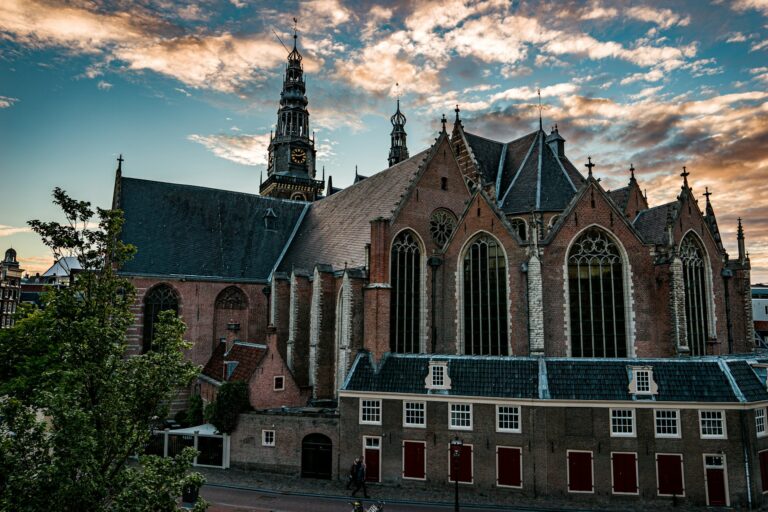
The Oude Kerk in Amsterdam
Museum Ons’ Lieve Heer op Solder
This uniquely preserved 17th-century canal house conceals a secret Catholic church in its attic, built when public Catholic worship was forbidden. It remains a powerful symbol of the Dutch tradition of tolerance, offering visitors a rare glimpse into the hidden religious life of the Golden Age.
The Grand (Prinsenhof)
Once the headquarters of the Admiralty and later Amsterdam’s City Hall for 180 years, this complex has hosted everything from French royalty to the wedding of Queen Beatrix. Today it is a luxury hotel, but its historic courtyard and facade remain a testament to the city’s administrative power.
Agnietenkapel
Dating back to 1470, this Gothic chapel is one of the few medieval religious buildings to survive the great fires and the Reformation. It is famous as the birthplace of the University of Amsterdam, having hosted the institution’s very first lectures in 1632.
De Gecroonde Raep
Located at number 57, this house is one of the finest examples of Amsterdam Renaissance architecture, designed by the legendary city architect Hendrick de Keyser. Its intricate stepped gable is topped with a distinctive stonework turnip, a visual pun on the original owner’s name.
House on the Three Canals
Situated at the southern end of the street, this photogenic building features a unique layout with stepped gables facing three different waterways simultaneously. It marks the peaceful intersection where the Oudezijds Voorburgwal meets the Grimburgwal and Oudezijds Achterburgwal.
Did You Know?
You can find the oldest building in all of Amsterdam here, the massive Oude Kerk, which was consecrated in 1306.
Image Library
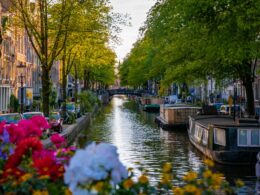
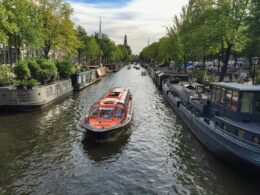
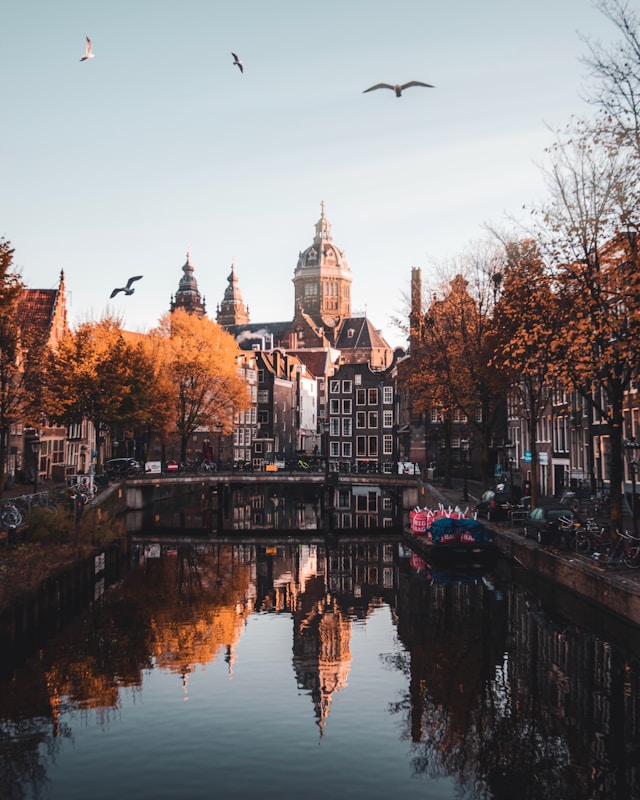
This photo library displays the compelling contrast of the city’s oldest and most notorious waterway. You can view the monumental silhouette of the Oude Kerk reflecting in the water, offering perfect sightlines toward the narrow alleys of De Wallen. The images showcase the medieval churches and neon-lit windows that give this area a charged, historic atmosphere. Use these pictures to scout the best angles for your own photography or to visualize the unique collision of sacred and profane before you arrive.
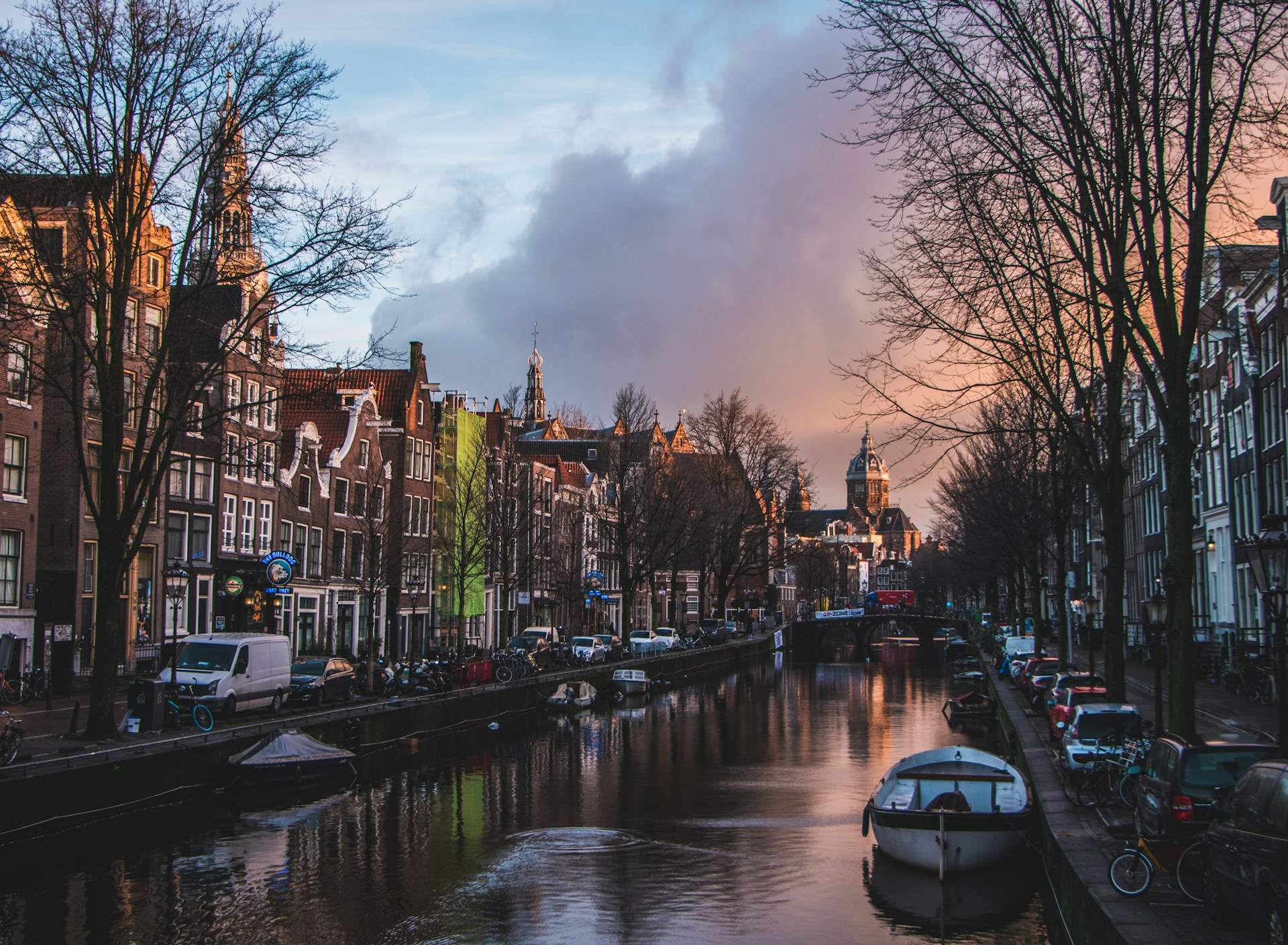
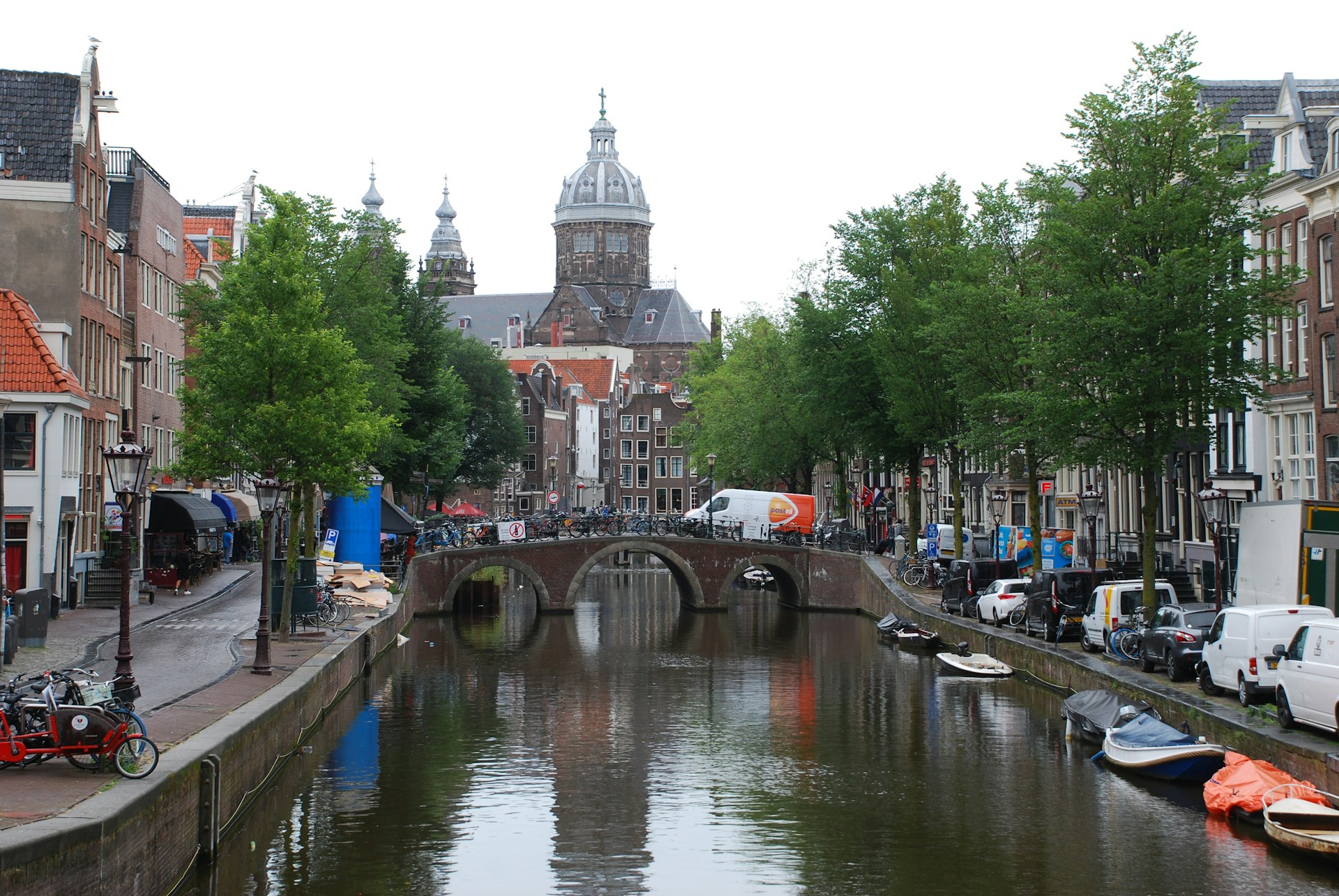
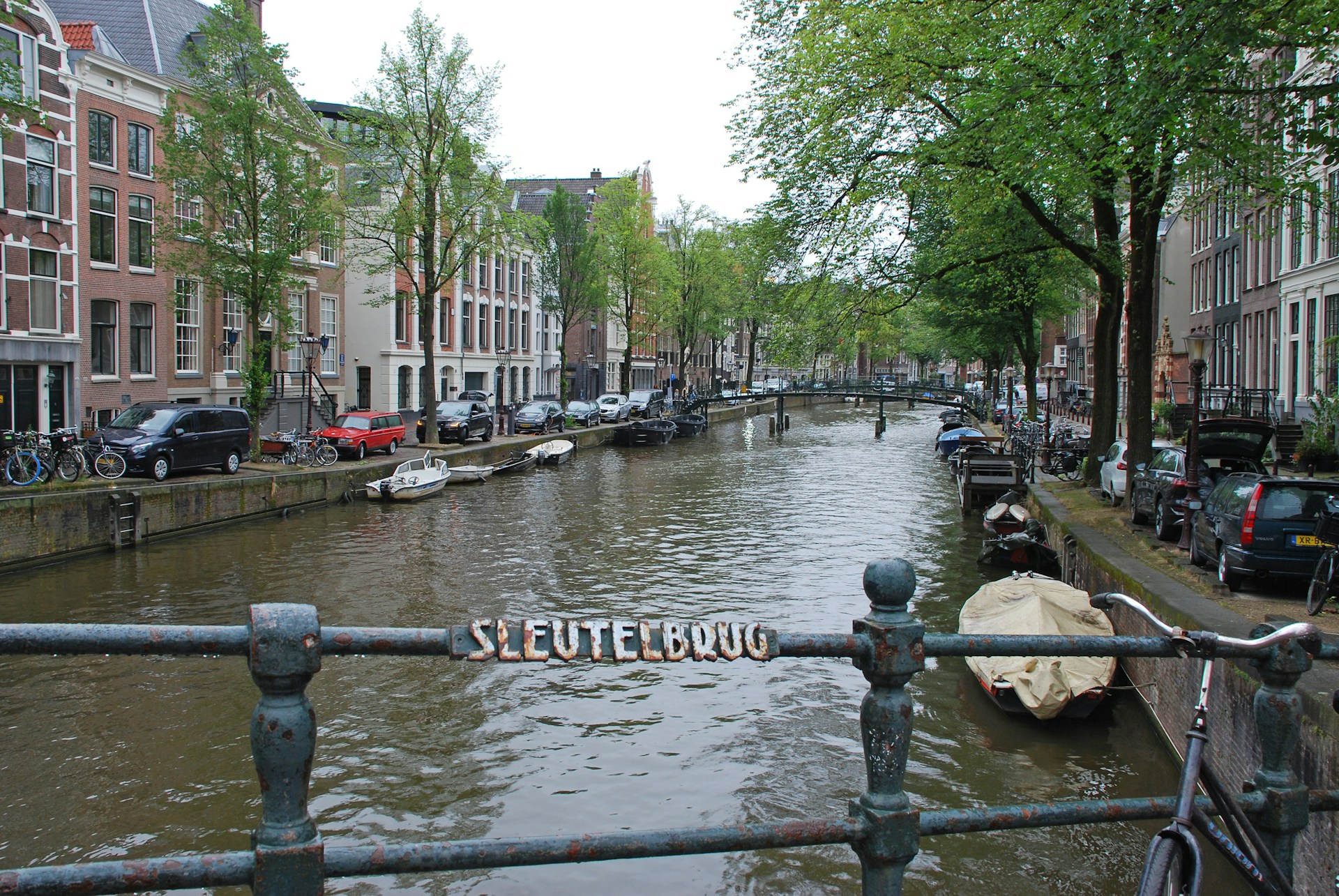
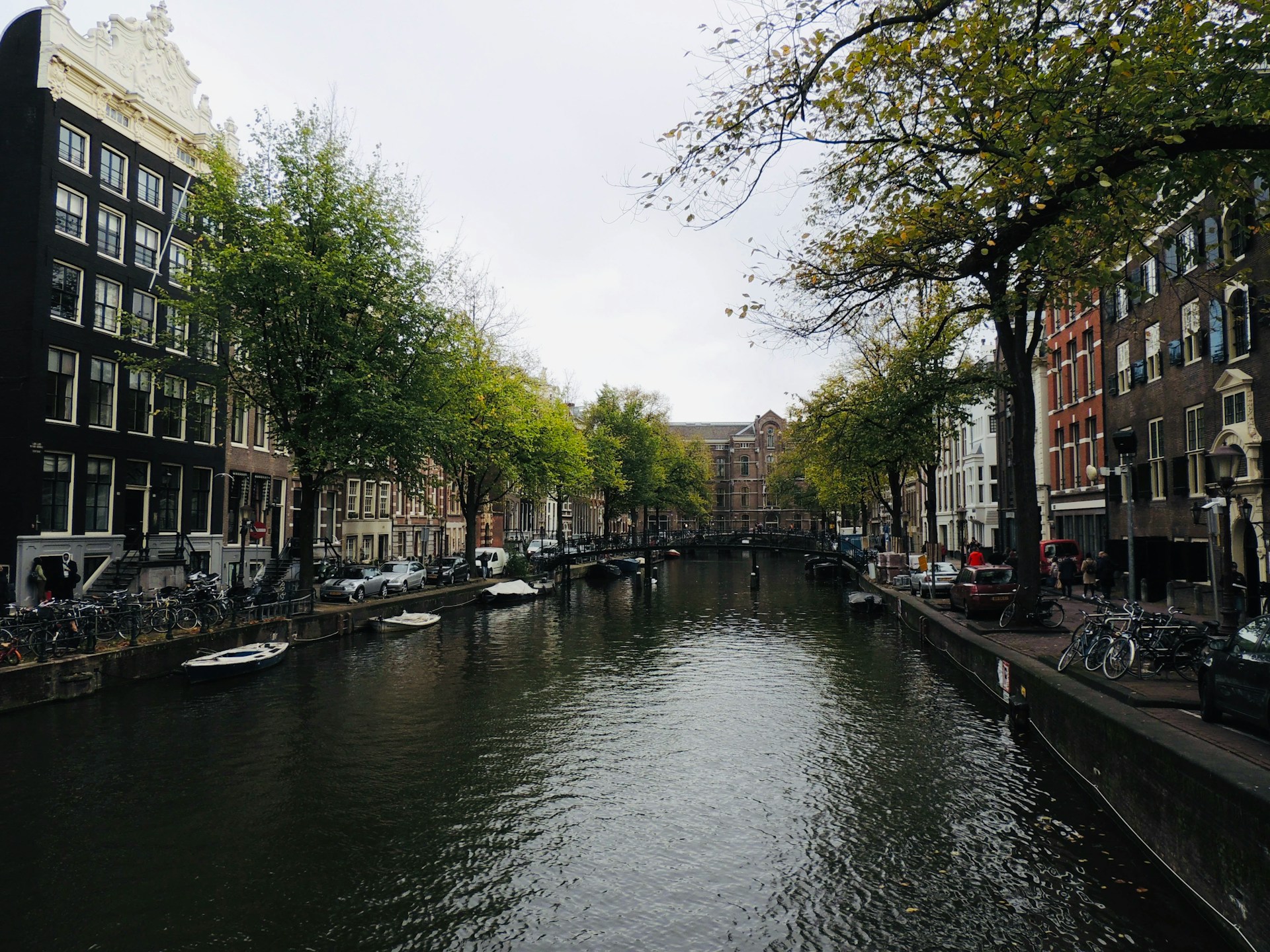
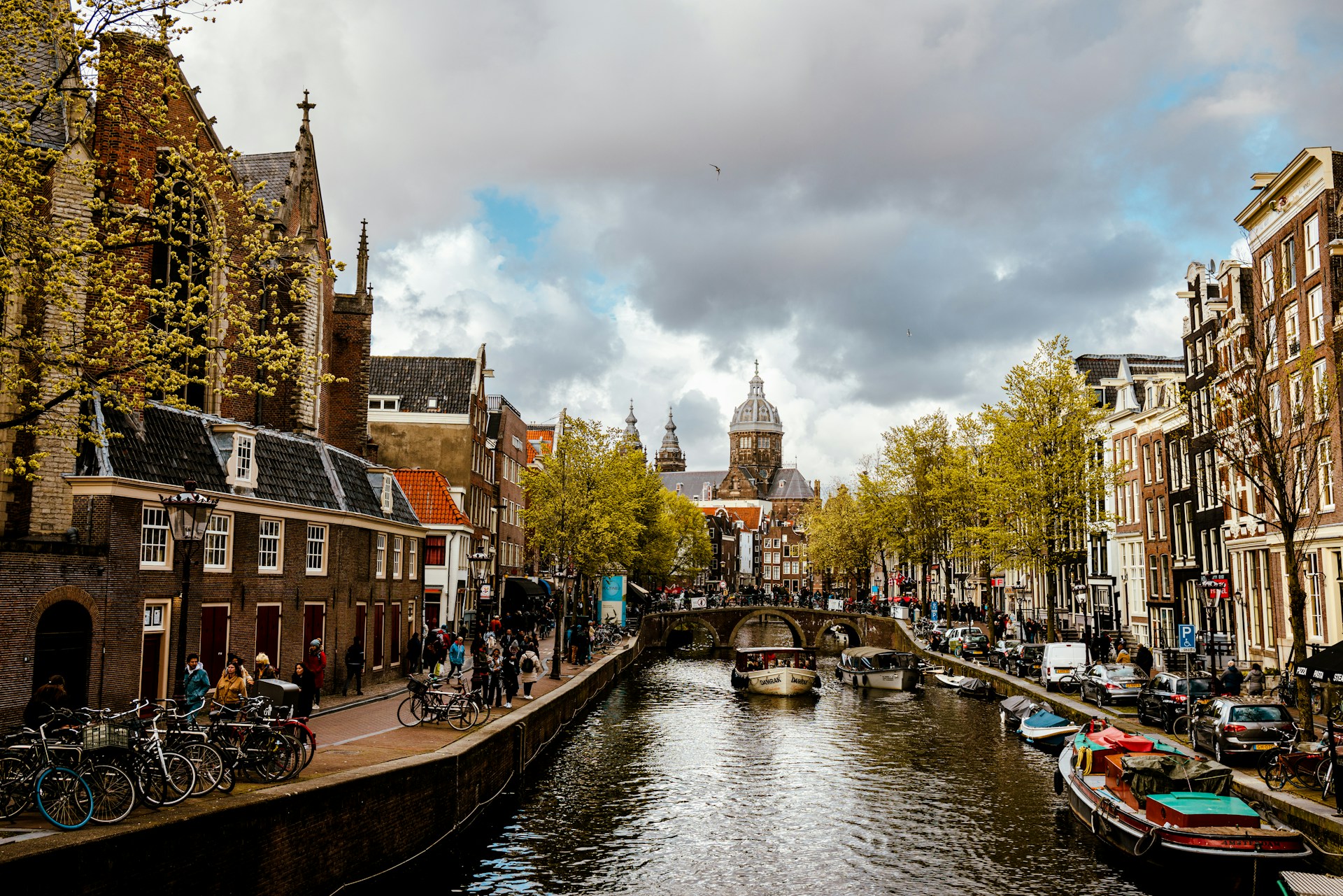
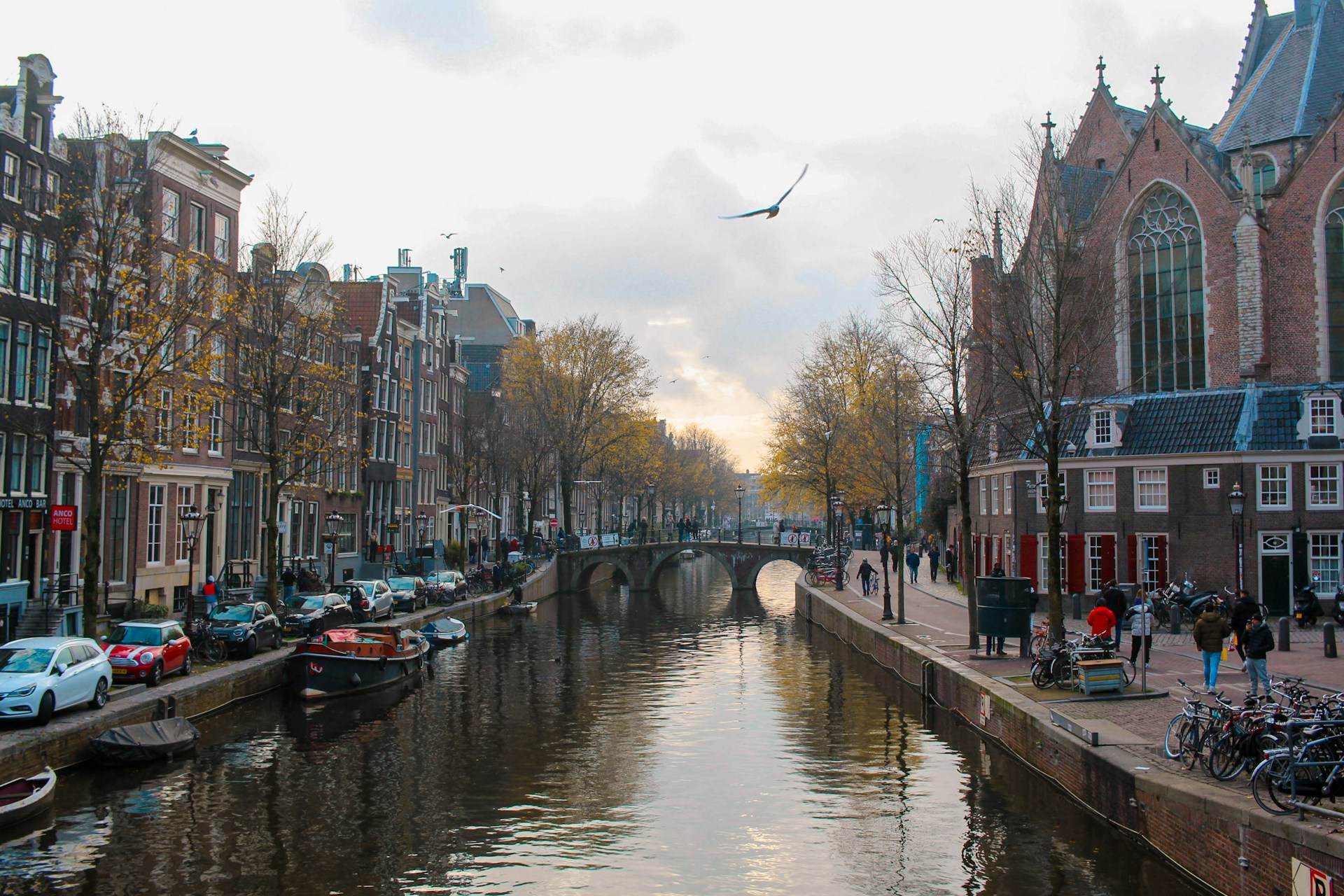
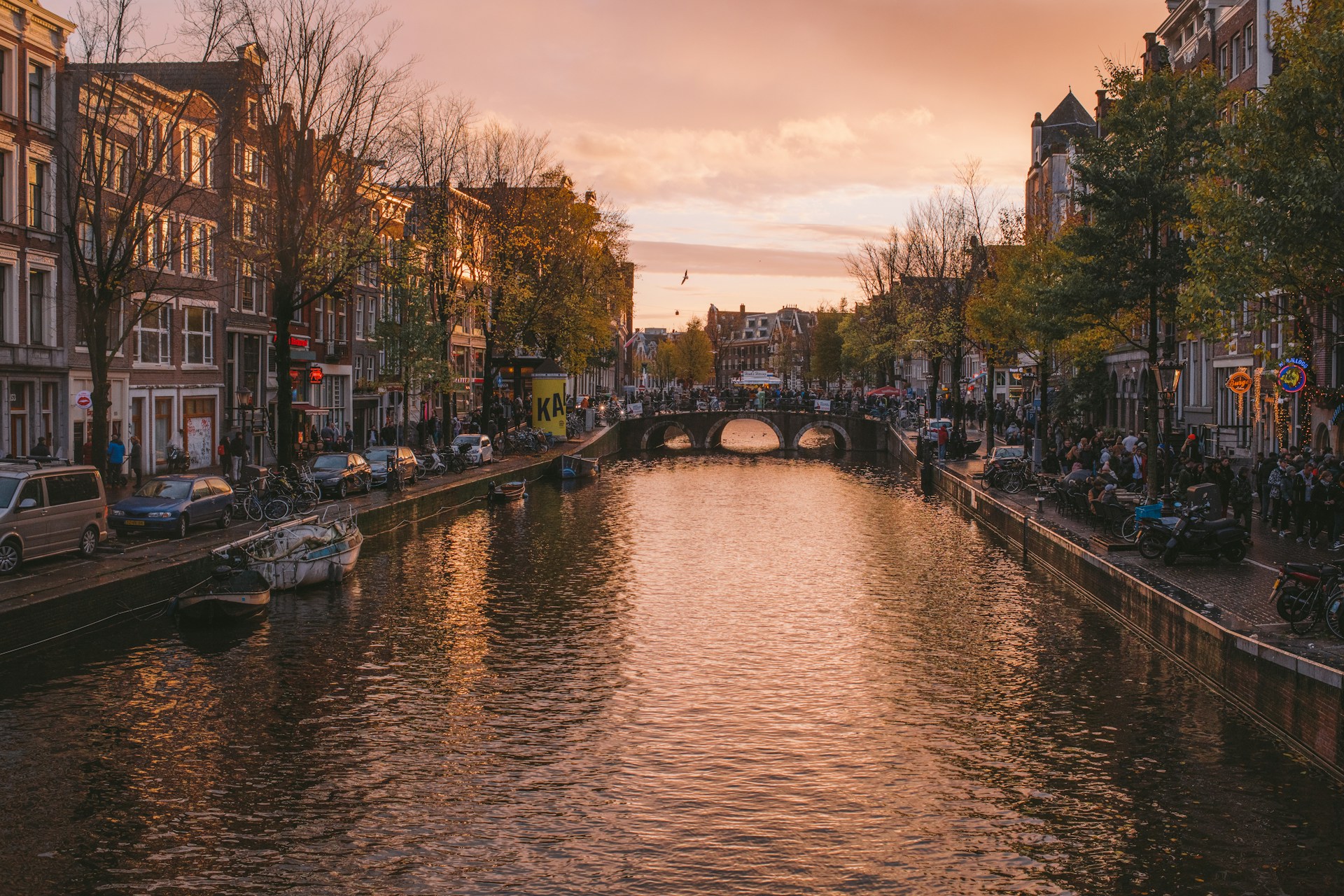
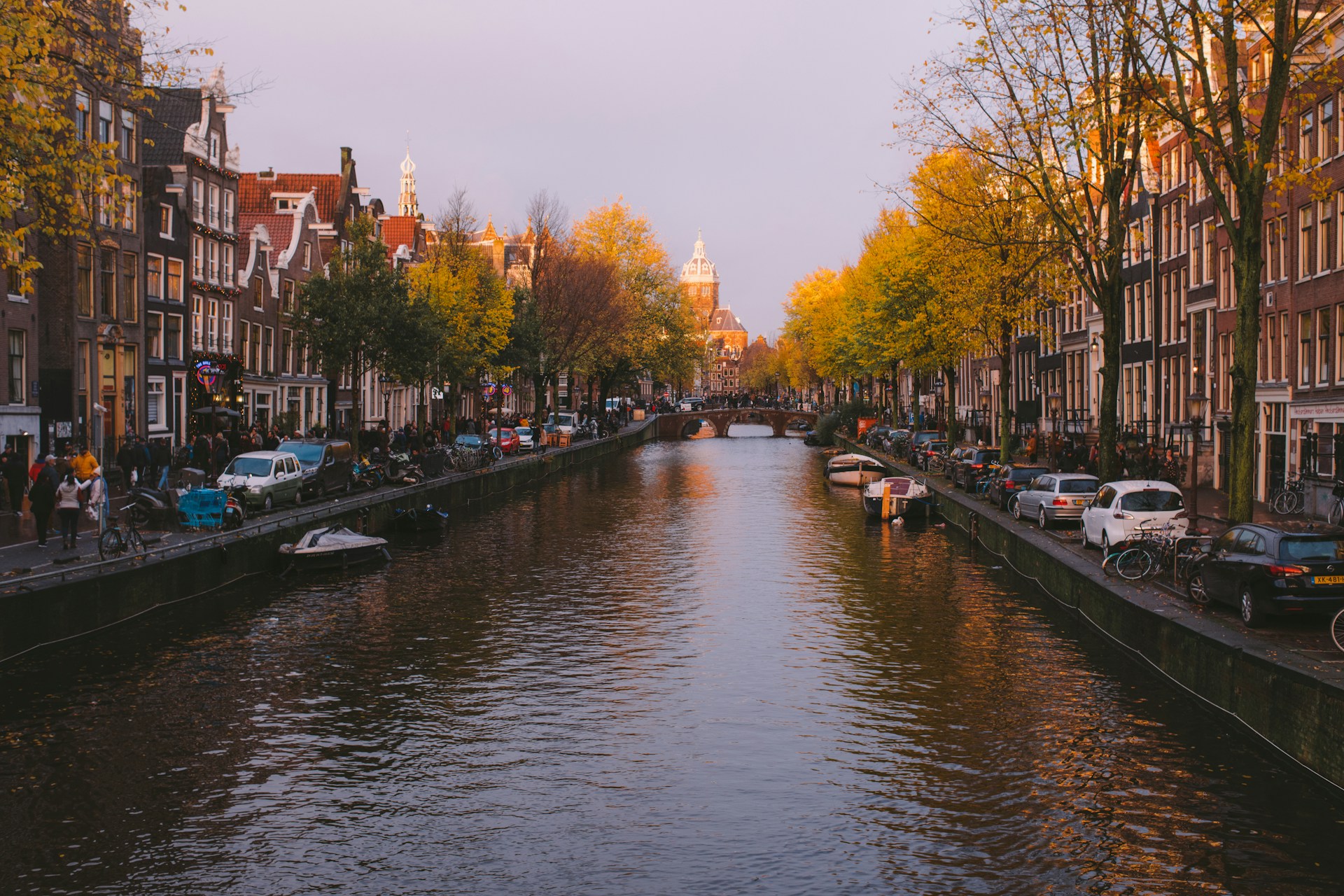
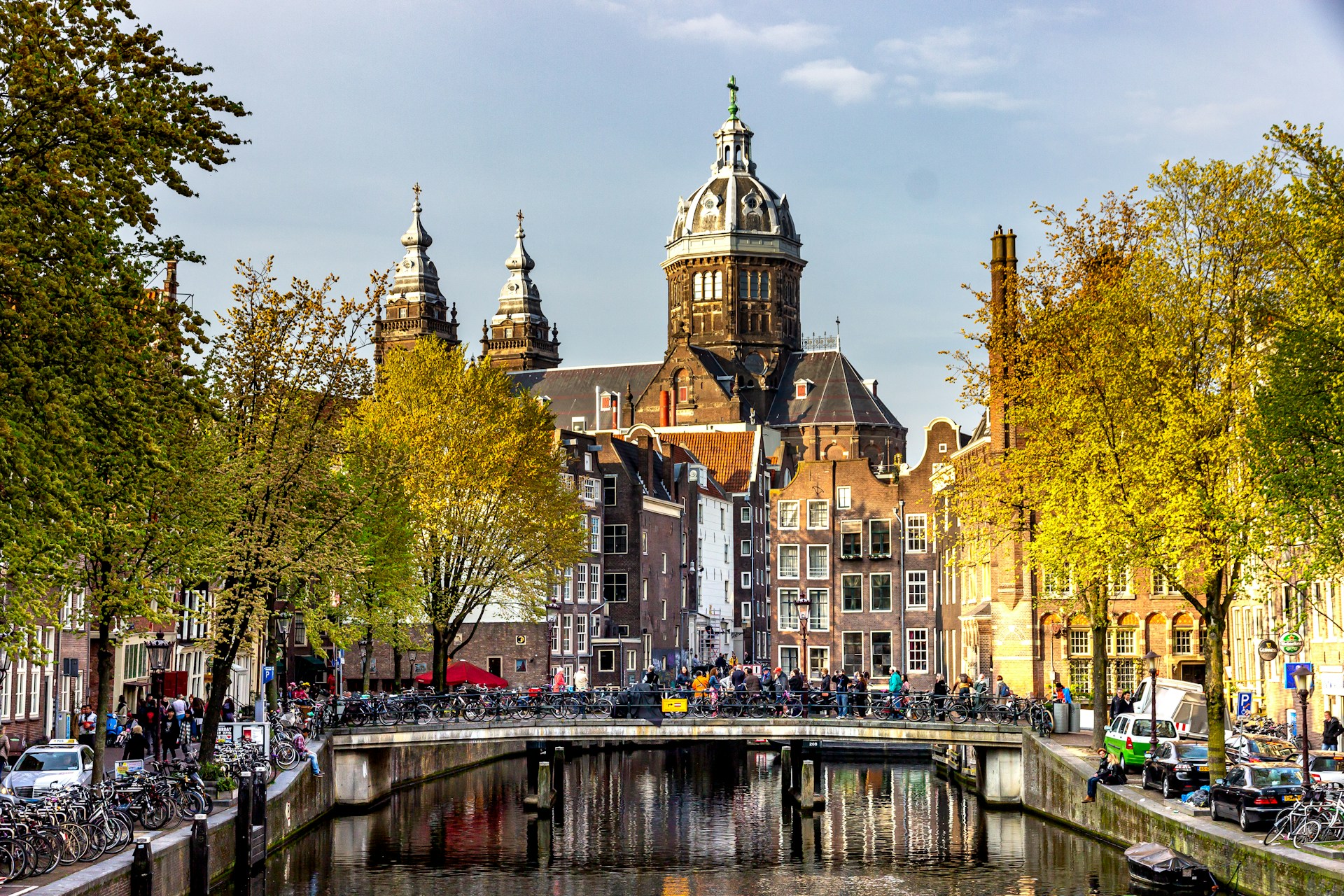
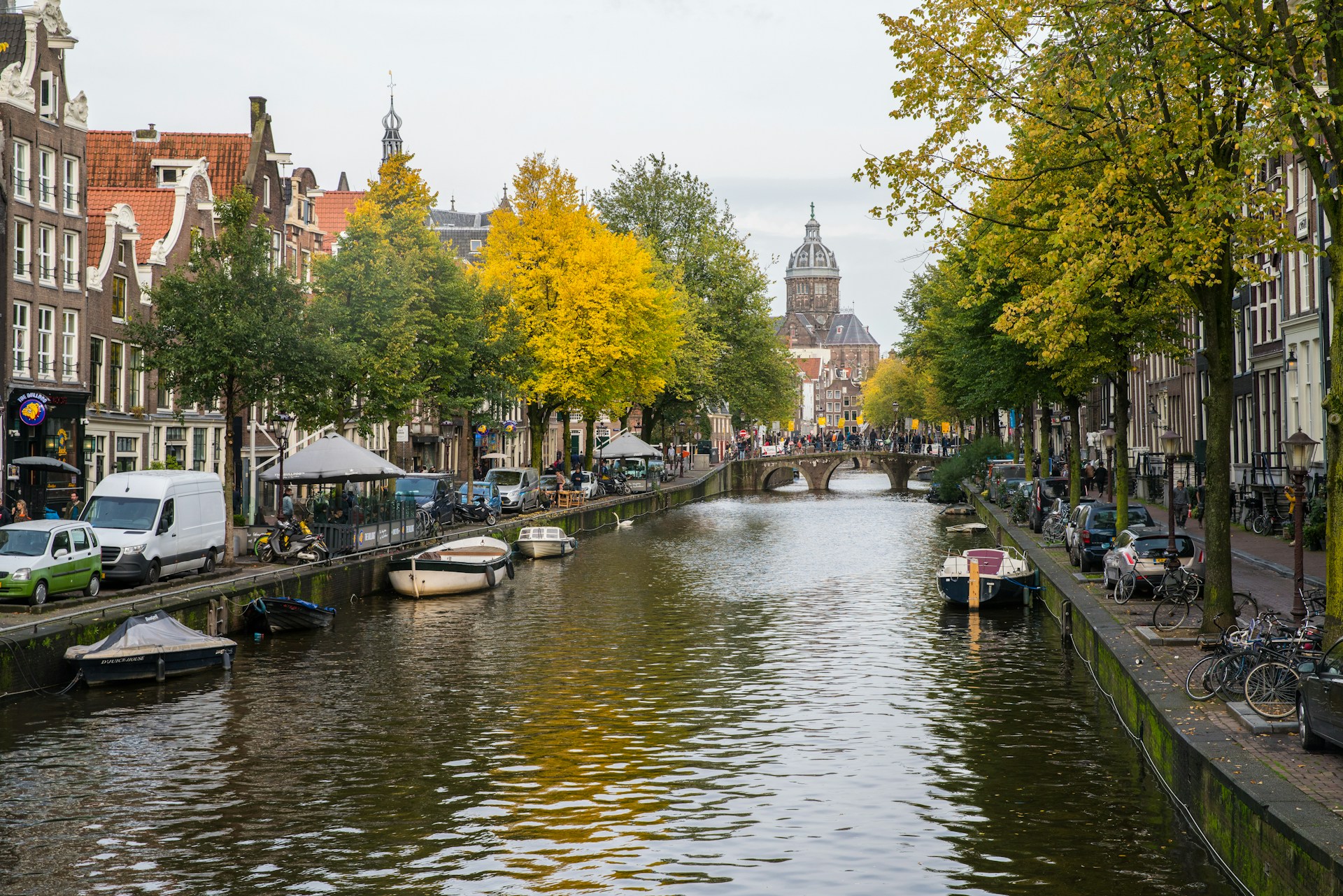
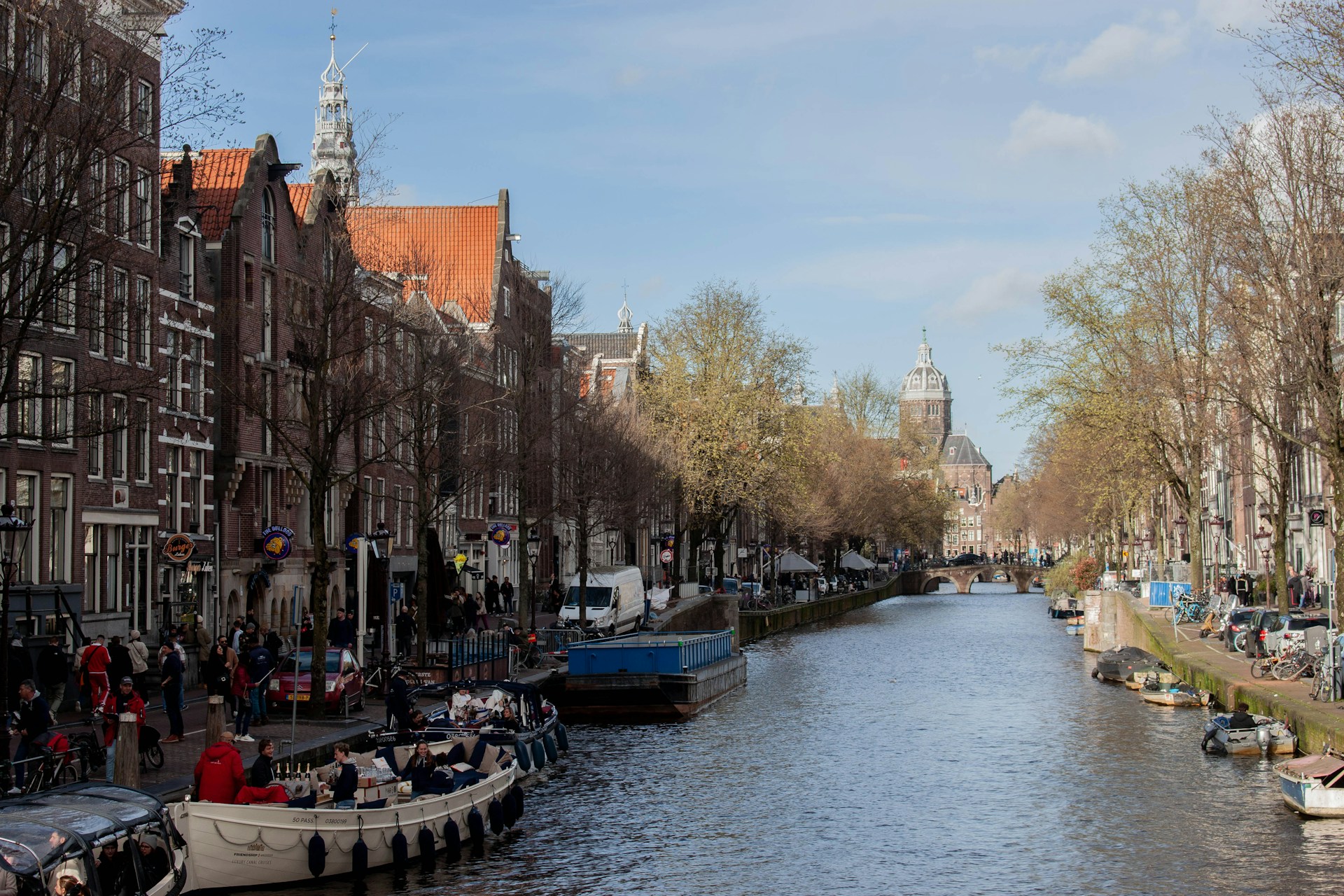
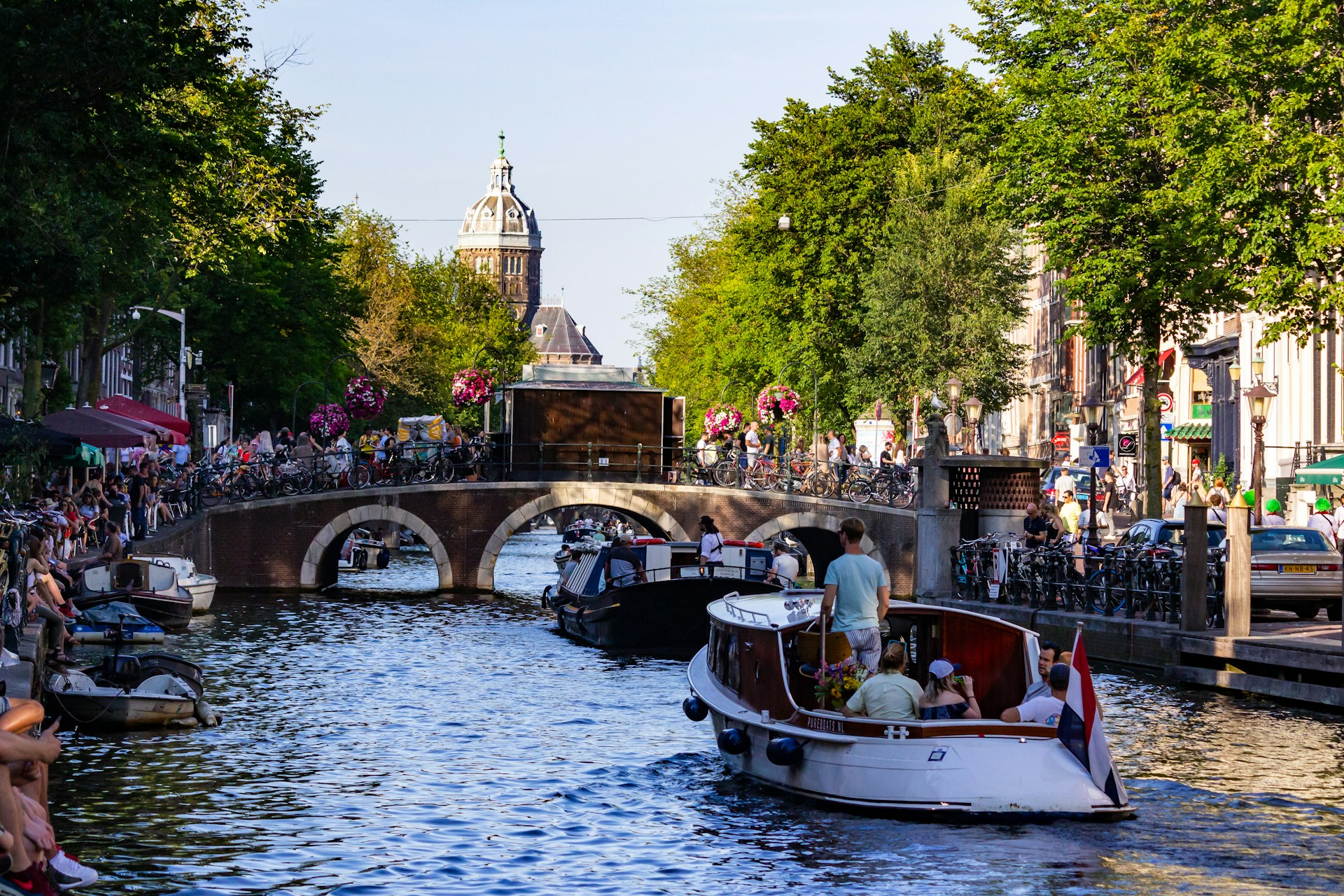
These photos also demonstrate how the light and seasons change the mood of the canal throughout the year. You see the sun illuminating the intricate facades of the former City Hall and the vibrant glow of red lights on the dark water at night. Whether you want to find the hidden church in the attic or simply admire the Renaissance architecture, this collection highlights why the Oudezijds Voorburgwal remains the city’s most fascinating walk.
Did You Know?
A preserved seventeenth-century canal house at number 40 conceals a secret Catholic church in its attic where worshippers hid from persecution.
Location & Access
Getting to this historic waterway is effortless, as it cuts directly through the medieval core of the city and runs through the famous Red Light District. While it feels like a step back in time, the Oudezijds Voorburgwal is only a short stroll from major attractions like Dam Square and Central Station, making it the perfect starting point for a tour of Old Amsterdam.
Did You Know?
The University of Amsterdam began its history here in the Agnietenkapel, where the first lectures were held in 1632.