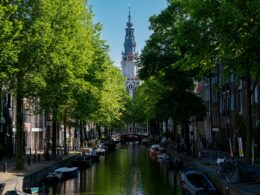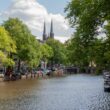
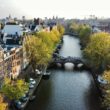
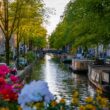

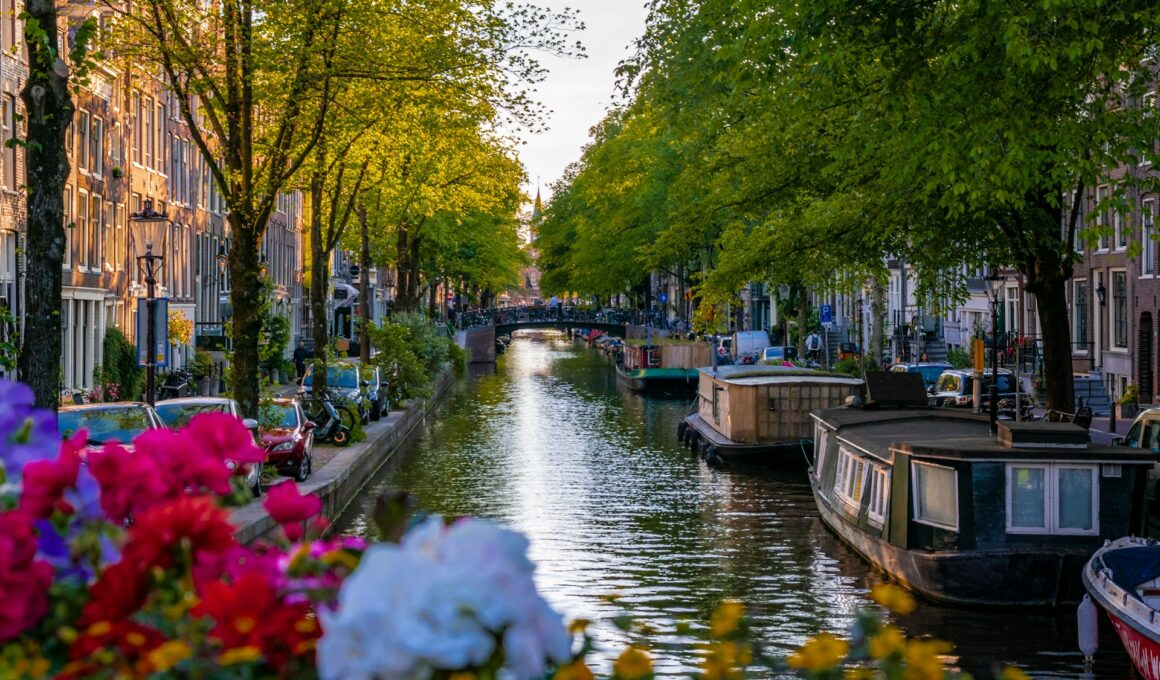
The Bloemgracht is widely considered the most picturesque canal in the Jordaan district, connecting the Prinsengracht to the outer Lijnbaansgracht. Unlike the narrower streets of the neighborhood, this waterway is distinguished by its mature elm trees and stately architecture that mirrors the grandeur of the main canal ring. It sits peacefully in the heart of the area, offering a quiet and photogenic respite just minutes from the busy Westerkerk.
Historically nicknamed the “Herengracht of the Jordaan,” this canal was the preferred address for successful artisans and merchants rather than the working class of the district. The street also preserves its industrial heritage, where former sugar refineries and paint factories have been beautifully converted into sought-after residences.
Did You Know?
The famous Dutch Master Rembrandt van Rijn reportedly maintained a painting studio on this canal during the 1660s after declaring bankruptcy.
Table of Contents
History of the Canal
The Bloemgracht, or “Flower Canal,” was dug in 1613 as part of Amsterdam’s massive Third Expansion. While the surrounding Jordaan district was often cramped and built along old polder ditches, this waterway was constructed to be wide, straight, and deep. Its grand proportions were intentional, designed from the start to echo the prestigious canals of the wealthy city center rather than the narrow working-class streets nearby.
Despite its elegant appearance, the canal served as a bustling industrial artery for centuries. Its deep water allowed heavy barges to transport raw materials directly to the businesses that lined its banks, including paint factories and dye works. The canal was particularly famous for its sugar industry, with fourteen different sugar refineries operating here to process raw sugarcane into white sugar.
Locals historically dubbed it the “Herengracht of the Jordaan” because it attracted successful artisans and merchants who built magnificent residences here. The finest example of this wealth is found at numbers 87 through 91, popularly known as the “Three Henrys” (De Drie Hendricken). Built in 1642, these three identical houses feature ornate stepped gables and gable stones that depict a townsman, a farmer, and a sailor.
The canal also holds a significant place in Dutch cultural history as a haven for creative minds. After facing financial ruin in the city center, the master painter Rembrandt van Rijn set up a studio here in the 1660s. It was also the home of the renowned cartographer Joan Blaeu, who produced his world-famous Atlas Maior in a workshop on this street, cementing the canal’s legacy as a site of both artistic and commercial importance.
Did You Know?
You can admire the Three Henrys at numbers 87 to 91 which form a rare trio of identical seventeenth-century stepped gable facades.
What to Expect
The Bloemgracht stands apart as the Jordaan’s most majestic canal, offering a rare glimpse of seventeenth-century wealth in a historically working-class neighborhood. While the peaceful, tree-lined quay is perfect for an aimless wander, missing the specific architectural details here would mean overlooking the district’s finest heritage. Keep your eyes raised to the rooflines to spot these essential historic landmarks.
De Drie Hendricken (Nos. 87–91)
Stop to admire this trio of identical step-gabled houses, which date back to 1642 and are the most famous facades on the canal. The gable stones above the doors depict a townsman, a farmer, and a sailor, symbolizing the friendship between different classes of society.
The Neck Gable at No. 108
Look for this elegant residence built in 1644, which features a classic “neck gable” design usually found only on the city’s wealthiest canals. The architectural style is attributed to the influence of Philips Vingboons, one of Amsterdam’s most renowned Golden Age architects.
Kees de Jongenbrug
Pause on bridge number 126 at the corner of the Prinsengracht for the definitive photographic angle looking down the water. The bridge is named after the protagonist of a beloved Dutch novel by Theo Thijssen, who set his stories in these very streets.
The Sugar Refinery Warehouses
Notice the large, blocky buildings interspersed among the houses, which serve as reminders of the fourteen sugar refineries that once operated here. These former industrial spaces have been converted into lofts, but their massive scale still hints at the canal’s history as a busy commercial artery.
Did You Know?
This canal remains one of the few waterways in the district that city planners never filled with sand to create a road.
Image Library
This photo library displays the peaceful elegance of the Jordaan’s most distinguished waterway. You can view the iconic silhouette of the “Three Henrys” reflecting in the still water, offering perfect sightlines down the tree-lined banks. The images showcase the stately step-gabled houses and converted warehouses that give this area a quiet, timeless atmosphere. Use these pictures to scout the best angles for your own photography or to visualize the quintessential canal village vibe before you arrive.
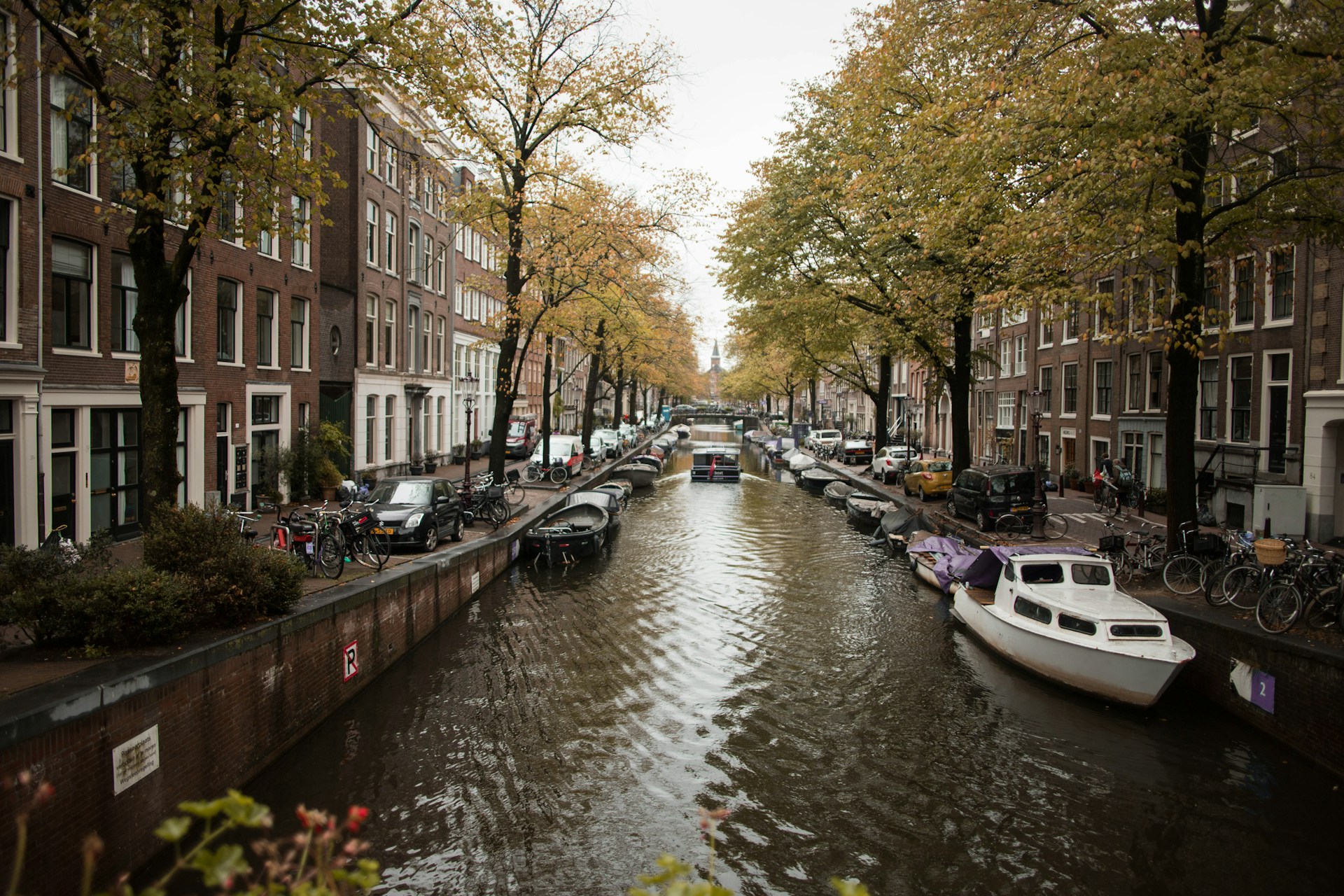
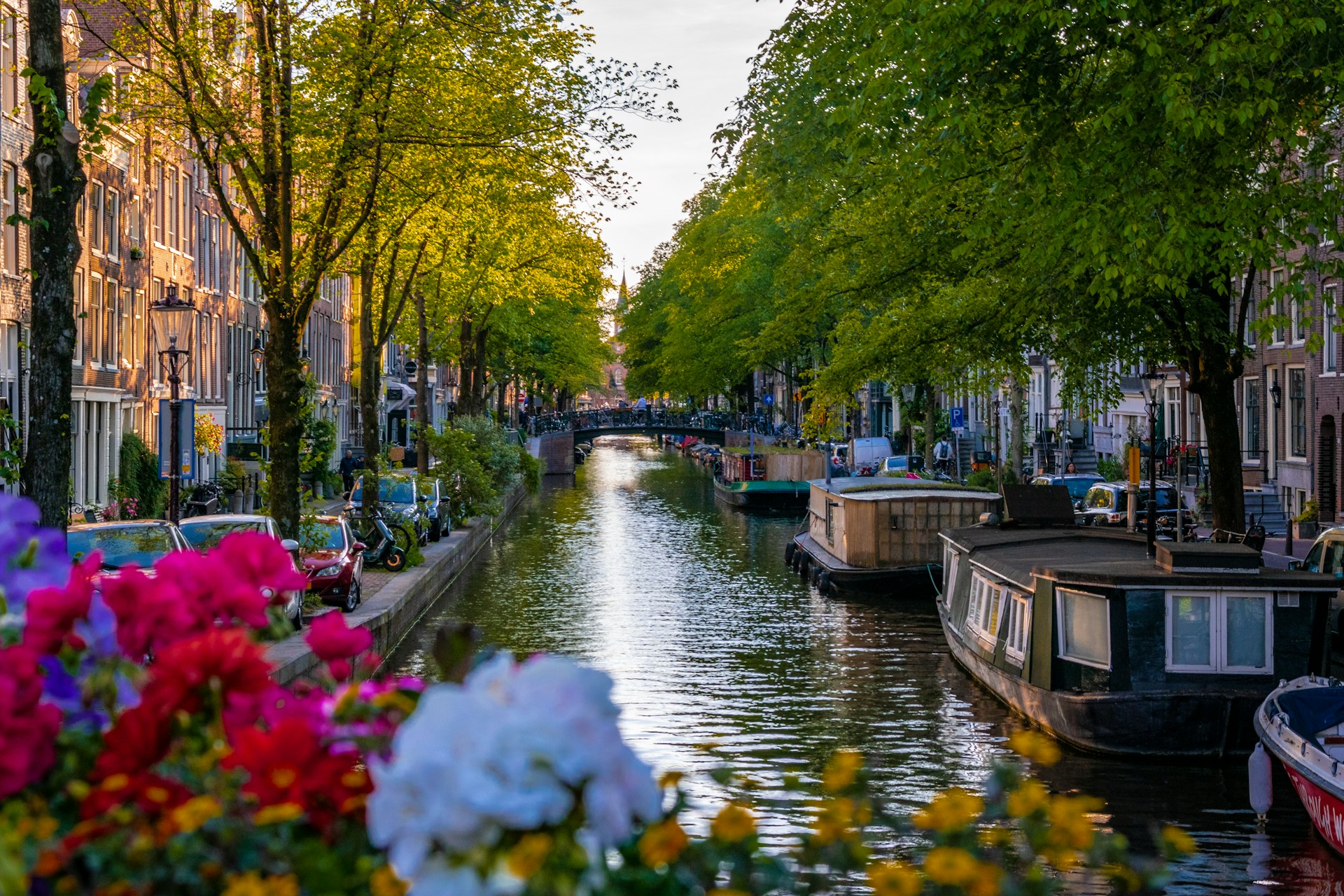
These photos also demonstrate how the light and seasons change the mood of the canal throughout the year. You see the sun illuminating the ornate facades of the 17th-century merchants’ houses and the warm glow of street lanterns on the dark water at night. Whether you want to find the location of Rembrandt’s former studio or simply admire the unique gable stones, this collection highlights why the Bloemgracht remains the neighborhood’s most photogenic street.
Did You Know?
Fourteen different sugar refineries once operated along these banks and processed raw sugarcane into white sugar using the ample water supply.
Location & Access
Getting to this picturesque canal is effortless, as it branches directly off the Prinsengracht in the heart of the Jordaan district. While it feels like a peaceful village sanctuary, the Bloemgracht is only a short stroll from major attractions like the Anne Frank House and the Westerkerk, making it the perfect quiet detour during a tour of the neighborhood.
Did You Know?
The gable stones on the Three Henrys houses depict a townsman and a farmer and a sailor to symbolize three different lifestyles.