




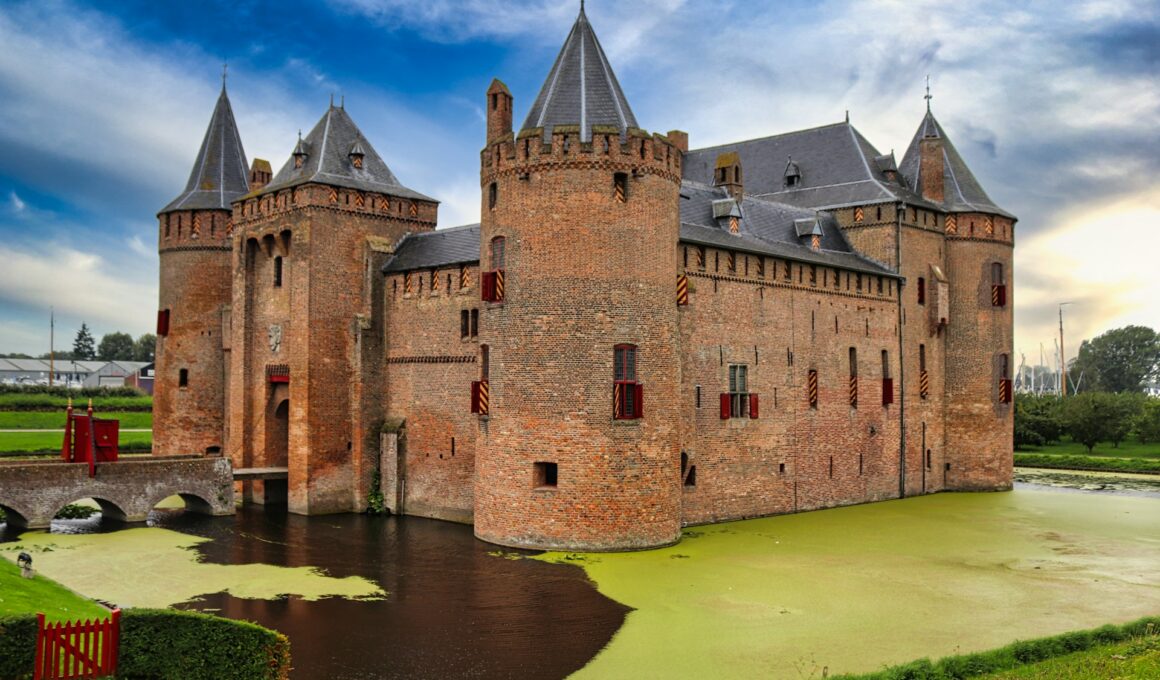
Muiderslot Castle is a remarkably preserved medieval fortress located in the fortified town of Muiden. It sits strategically at the mouth of the Vecht River, just a short distance southeast of Amsterdam. You can easily reach this square, moated castle by bus or ferry for a scenic half-day trip.
You should visit to explore over 700 years of history, from its founding by Count Floris V to its role as part of the UNESCO-listed Defence Line of Amsterdam. The interior features restored 17th-century chambers, an extensive armory, and beautiful historic gardens filled with herbs and vegetables. During the summer season, you can also witness traditional falconry demonstrations in the castle courtyard.
Did You Know?
Slot is an older Dutch term that also means castle but originally referred to a medieval stronghold or fortress, often with clear defensive functions. Muiderslot kept its historic name from the Middle Ages.
History of Muiderslot
Count Floris V commissioned the original stone fortress around 1285 to control trade at the mouth of the Vecht river. His goal was to force passing ships on their way to Utrecht to pay a toll, a move that angered powerful local rivals. This conflict ultimately cost him his life; noblemen kidnapped and murdered the Count in 1296 just a short distance from his own walls. The original castle was destroyed in the aftermath, but a new fortress rose on the existing foundations in the late 14th century, creating the square brick structure that stands today.
The castle entered its golden age in 1609 when the famous writer and poet Pieter Corneliszoon Hooft moved in as the sheriff of Muiden. He transformed the cold military outpost into a vibrant summer residence for the Dutch intellectual elite. Hooft hosted a celebrated group of scholars, musicians, and poets known as the “Muiderkring,” who gathered in the halls to discuss art and literature. This era turned the fortress from a symbol of military oppression into a beacon of Dutch culture and refinement.
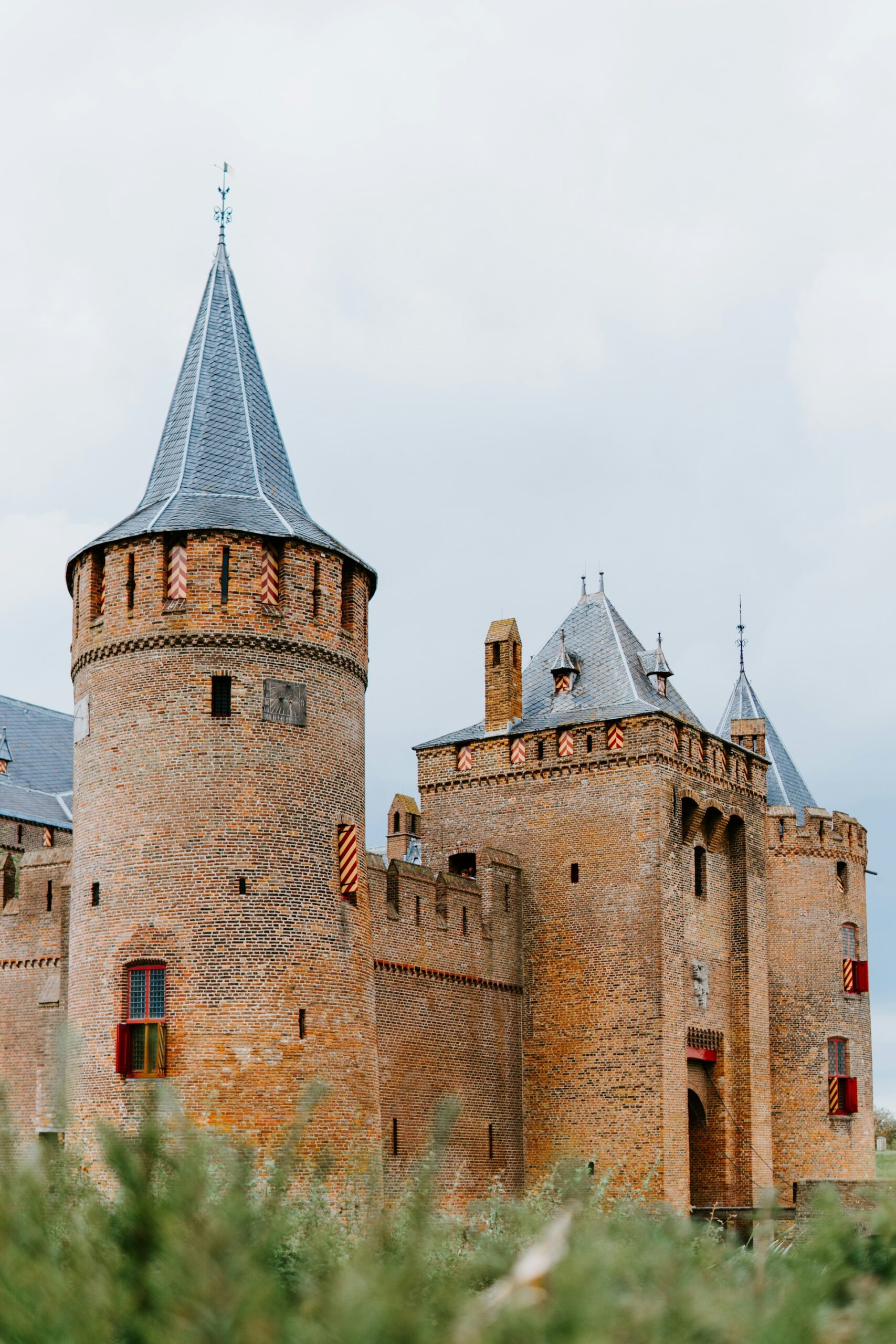
By the 19th century, the castle had lost its strategic value and fell into severe disrepair. The Ministry of War considered demolishing the ruin to sell the bricks for scrap, but King William I intervened to save the historic site. Renowned architect Pierre Cuypers, famous for the Rijksmuseum, led a major restoration project in the late 1800s. His work aimed to return the castle to its medieval appearance, reconstructing towers and battlements to create the romantic silhouette visitors see now.
Today, Muiderslot serves as a national museum and a key cornerstone of the Defense Line of Amsterdam, a UNESCO World Heritage site. Visitors can explore the dual history of the castle through two distinct routes: the medieval tower climb and the furnished 17th-century chambers of P.C. Hooft. The grounds also feature a restored Renaissance garden and a historic plum orchard, preserving the living environment that inspired the poets of the Dutch Golden Age.
Did You Know?
The castle cellar served as a dark dungeon where enemies of the Count awaited their judgment or death.
What to Expect
Muiderslot packs over 700 years of Dutch history into a compact fortress, so knowing where to look is key to understanding its full significance. From the strategic defense towers to the elegant rooms where poets gathered, these essential stops reveal the castle’s transformation from a military stronghold to a cultural haven.
The Knight’s Hall
This impressive room served as the main dining and reception hall for the castle’s noble residents. It was here that P.C. Hooft hosted the famous Muiderkring circle of scholars and artists for evenings of music and poetry.
The Tower Route
Climb the steep stone stairs to reach the highest points of the medieval fortifications. The narrow sentry walk offers panoramic views over the IJmeer and reveals the castle’s strategic position in the water defense lines.
P.C. Hooft’s Chambers
Explore the restored living quarters that show how the wealthy lived during the Dutch Golden Age. Authentic furniture, paintings, and a box bed recreate the domestic atmosphere of the 17th century.
The Historic Gardens
Walk through the reconstructed Renaissance gardens that provided both food and beauty for the castle inhabitants. The layout features separate sections for vegetables and medicinal herbs, strictly organized in geometric patterns.
The Plum Orchard
This peaceful grove behind the castle dates back to the time of P.C. Hooft, who famously loved the fruit. It is a rare surviving example of a historic orchard and offers a quiet spot for a walk.
The Water Shield Pavilion
Descend into this modern underground pavilion to learn about the history of the Dutch water defense lines. Interactive exhibits explain how flooding was used as a weapon to protect Amsterdam from enemy armies.
Did You Know?
Builders designed the clever round towers to deflect enemy cannonballs better than the older square tower shapes.
Image Library
This photo library displays the robust character of the medieval fortress. You can view the sturdy brick towers rising above the moat and the elegant 17th-century details of the restored chambers. Use these pictures to scout the best angles for your own photography or to spot architectural defenses you might miss during a casual walk.
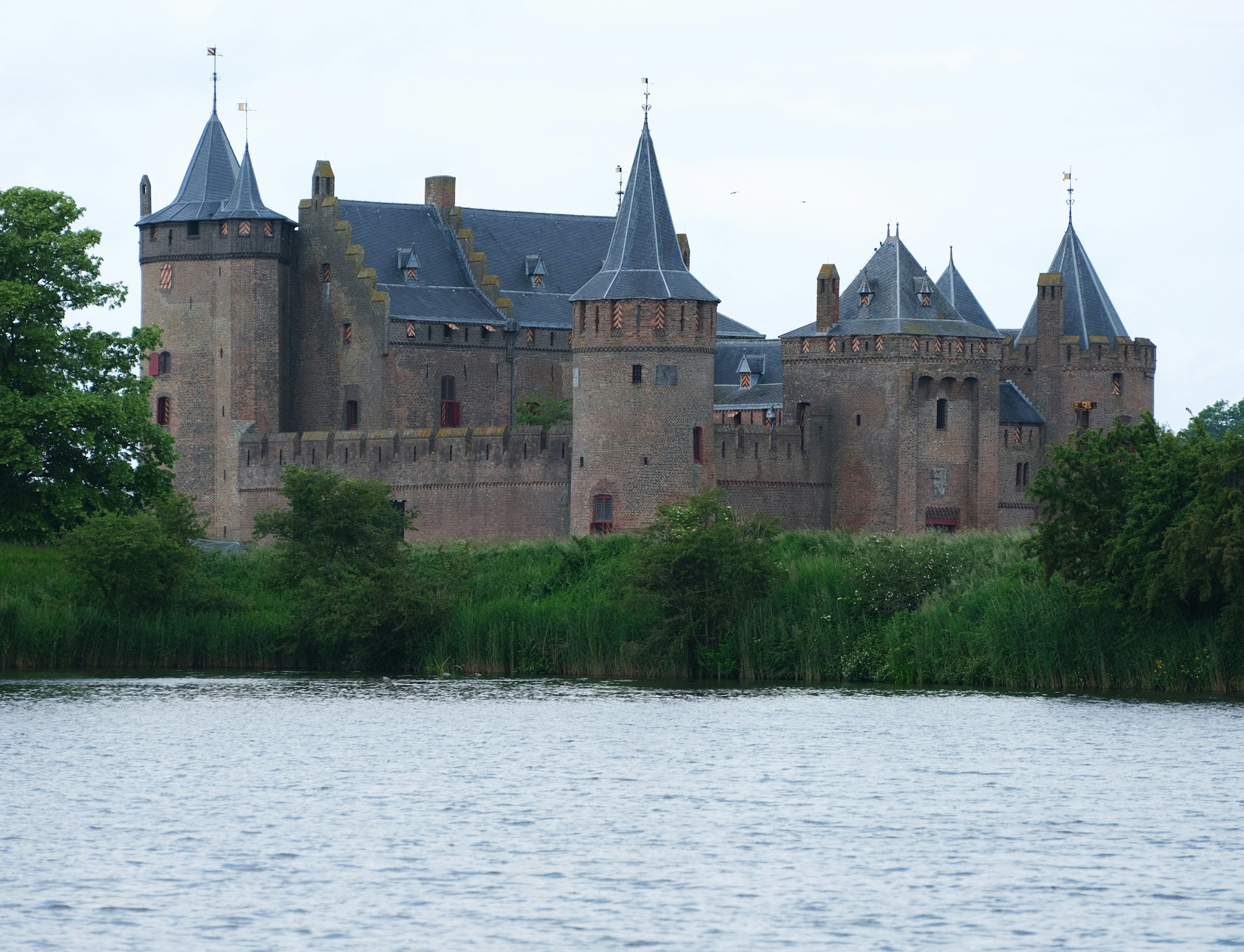
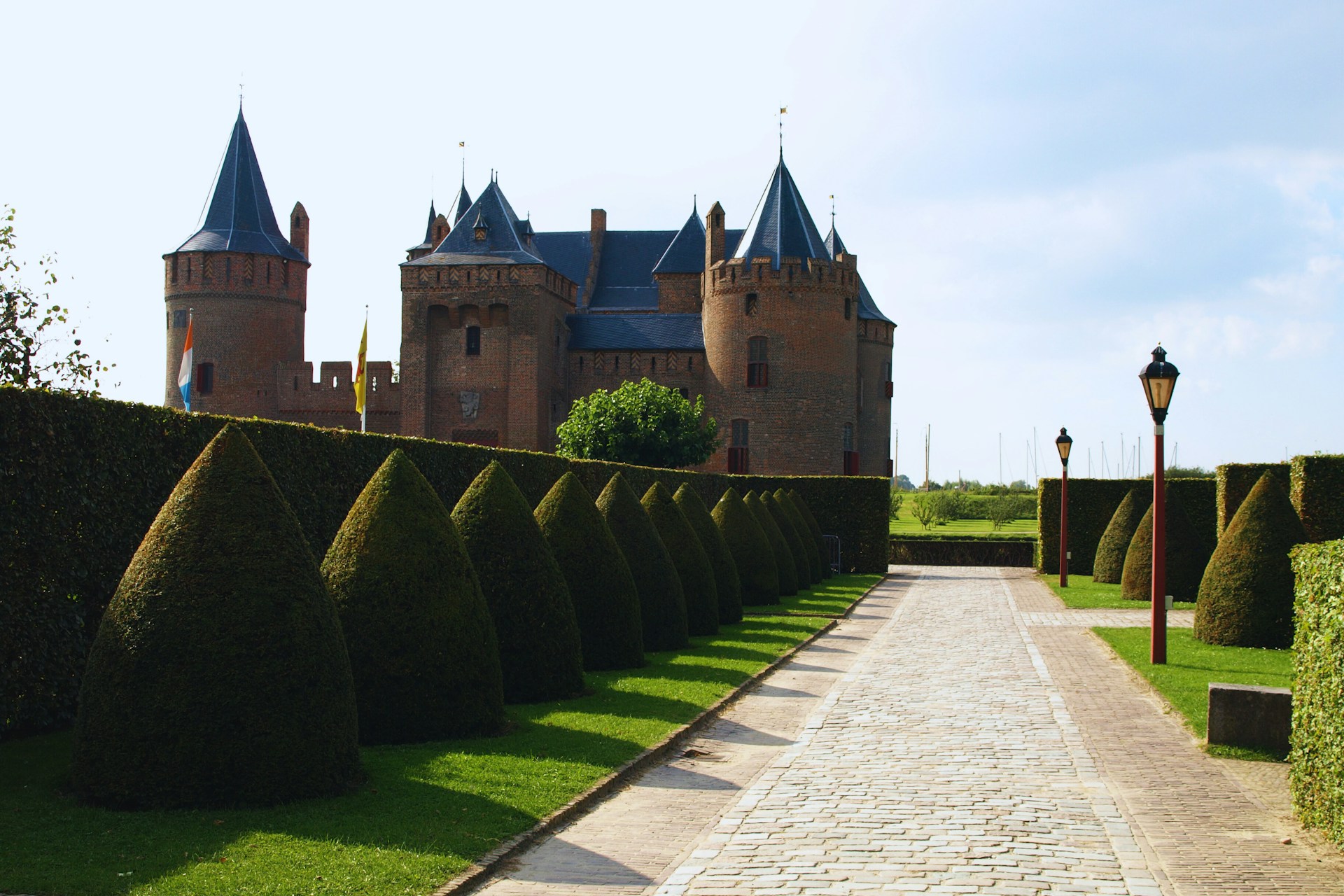
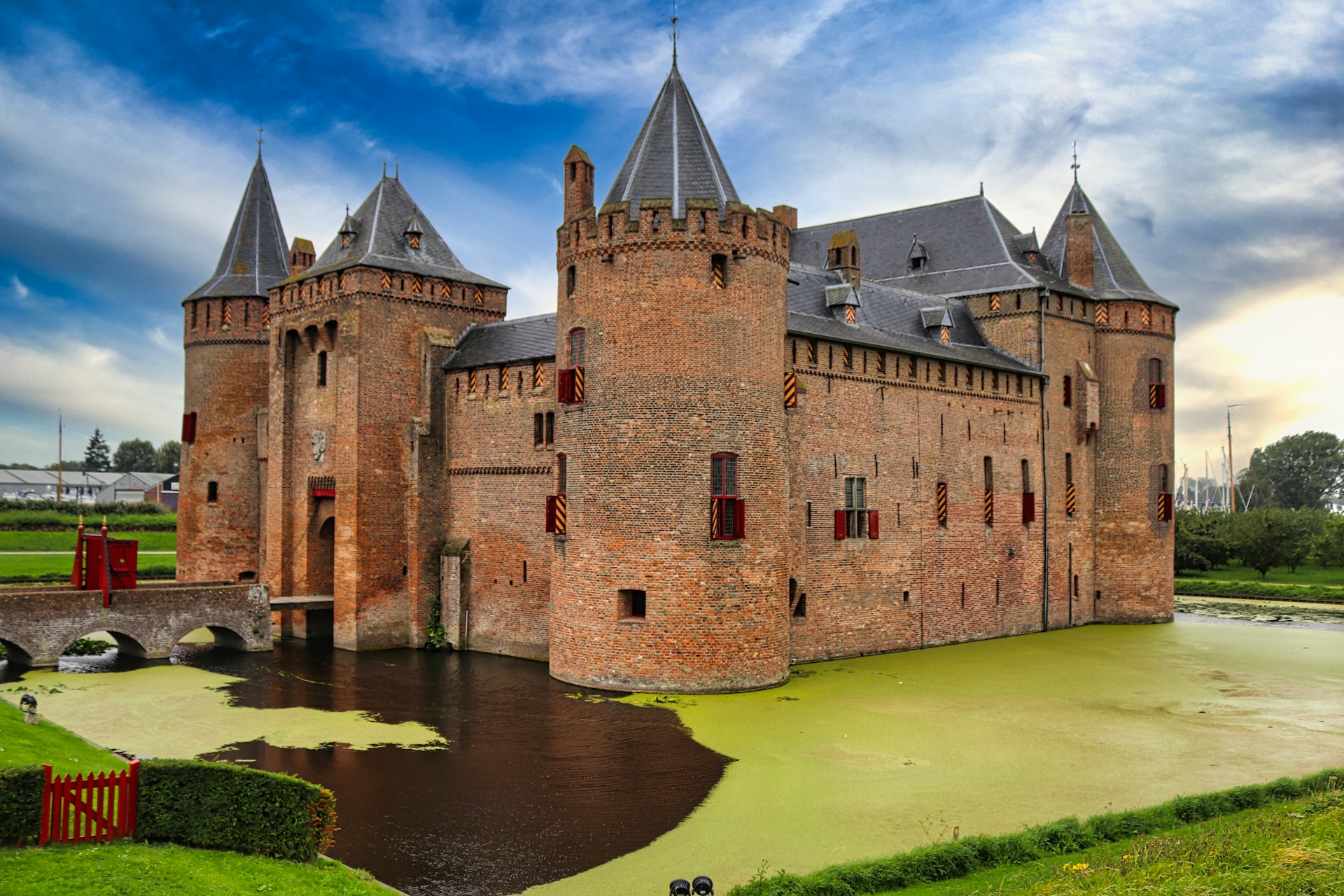
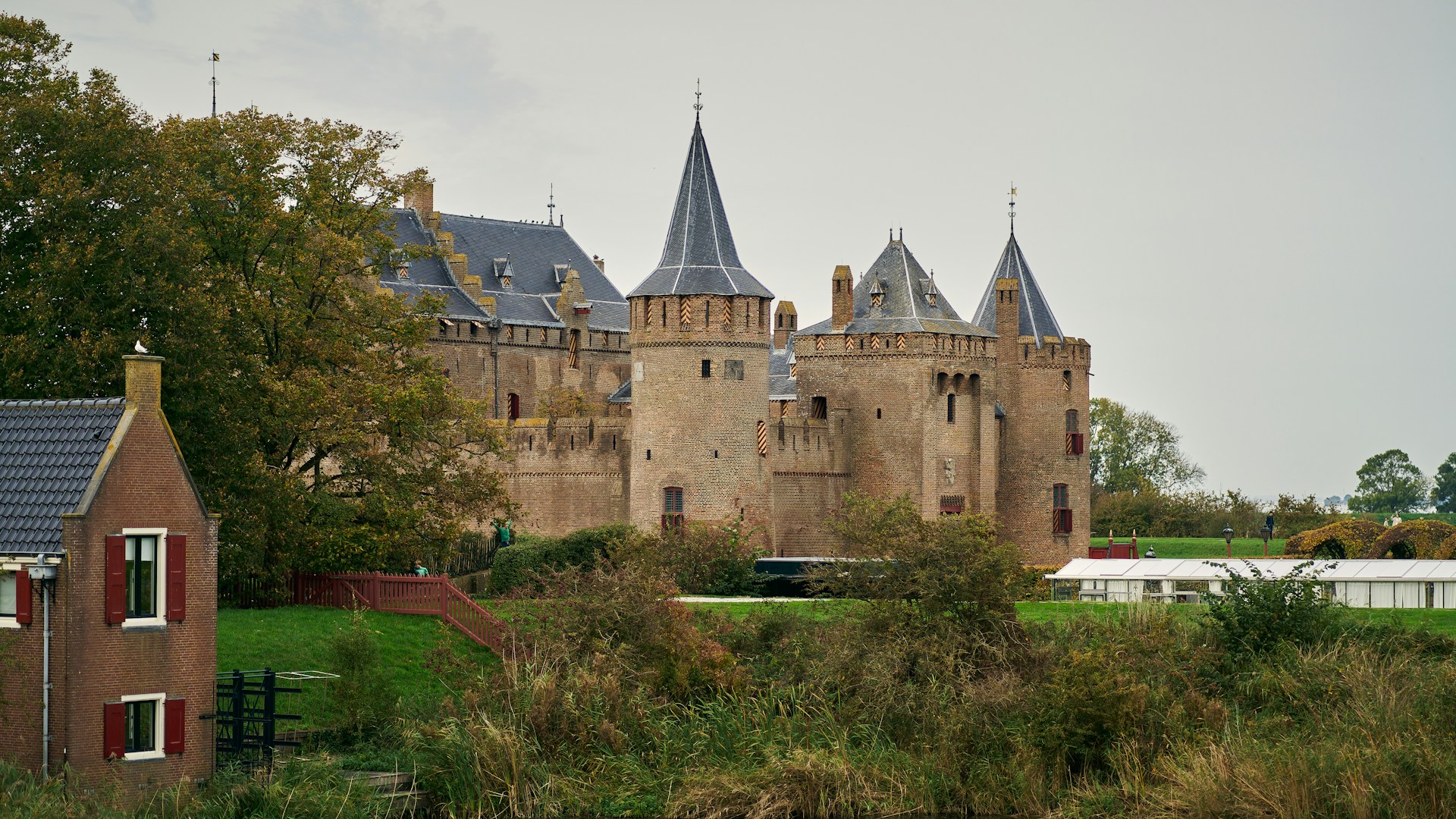
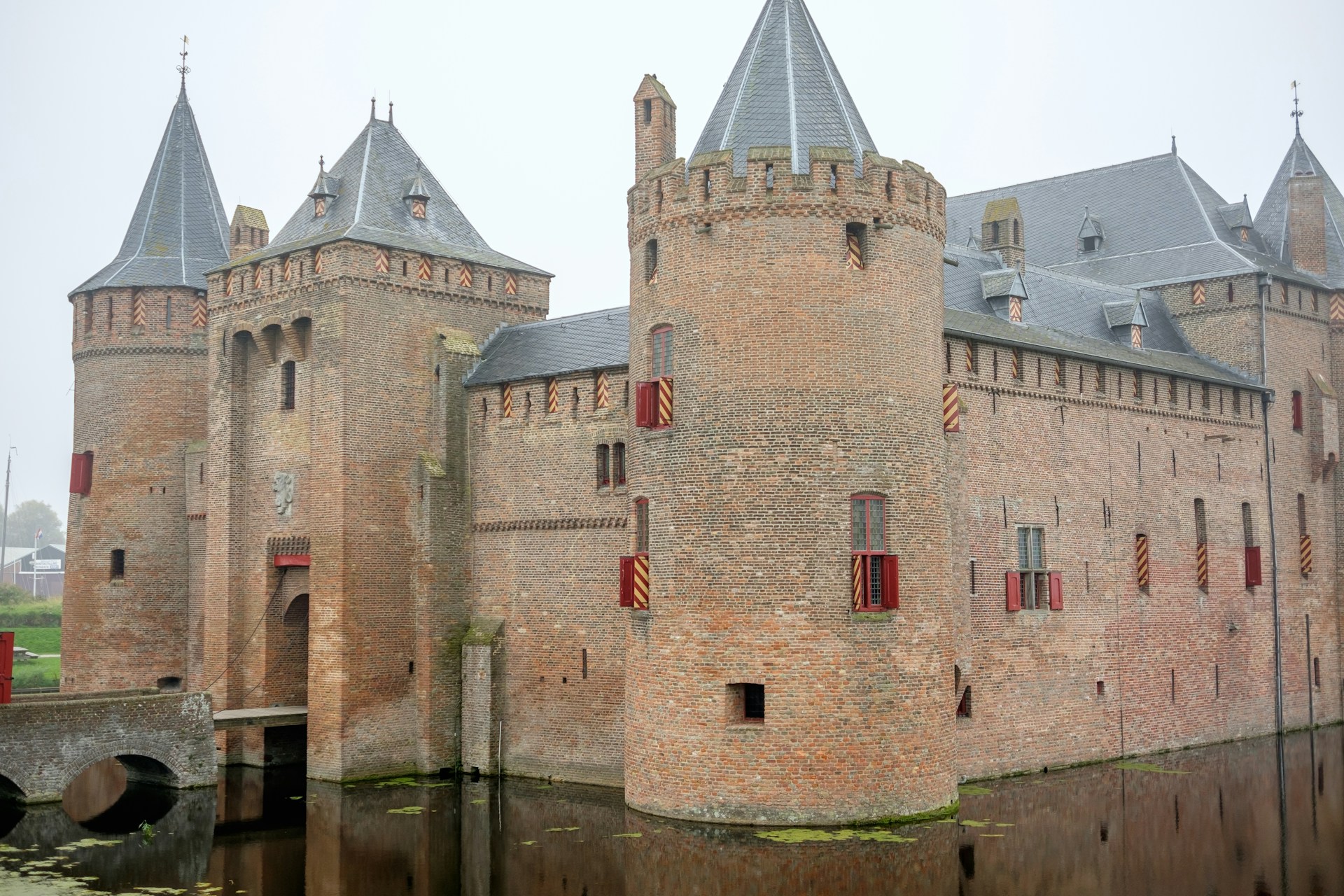
Use these images to understand the layout, history, and atmosphere of the castle before your visit or to revisit the experience afterward. They also show how changing light, seasons, and the surrounding river landscape shape the mood of the fortress at different times of day.
Did You Know?
Count Floris V built this stone fortress to force passing trading ships to pay a heavy toll.
Book Tickets & Activities
Muiderslot is one of the most popular monuments in the Amsterdam region and requires a ticket for entry, which limits visitor numbers in the narrow towers. Booking in advance helps you avoid queues at the gate, secure a preferred time slot, and plan your day more smoothly, especially in peak season or on weekends.
GetYourGuide.com
GetYourGuide.com is an excellent platform for securing your tickets. In addition to standard access, GetYourGuide offers comprehensive packages like private tours, bundled sightseeing passes, and much more.
Did You Know?
Angry noblemen kidnapped and brutally murdered Count Floris V just a short distance from his own castle walls.
Location & Access
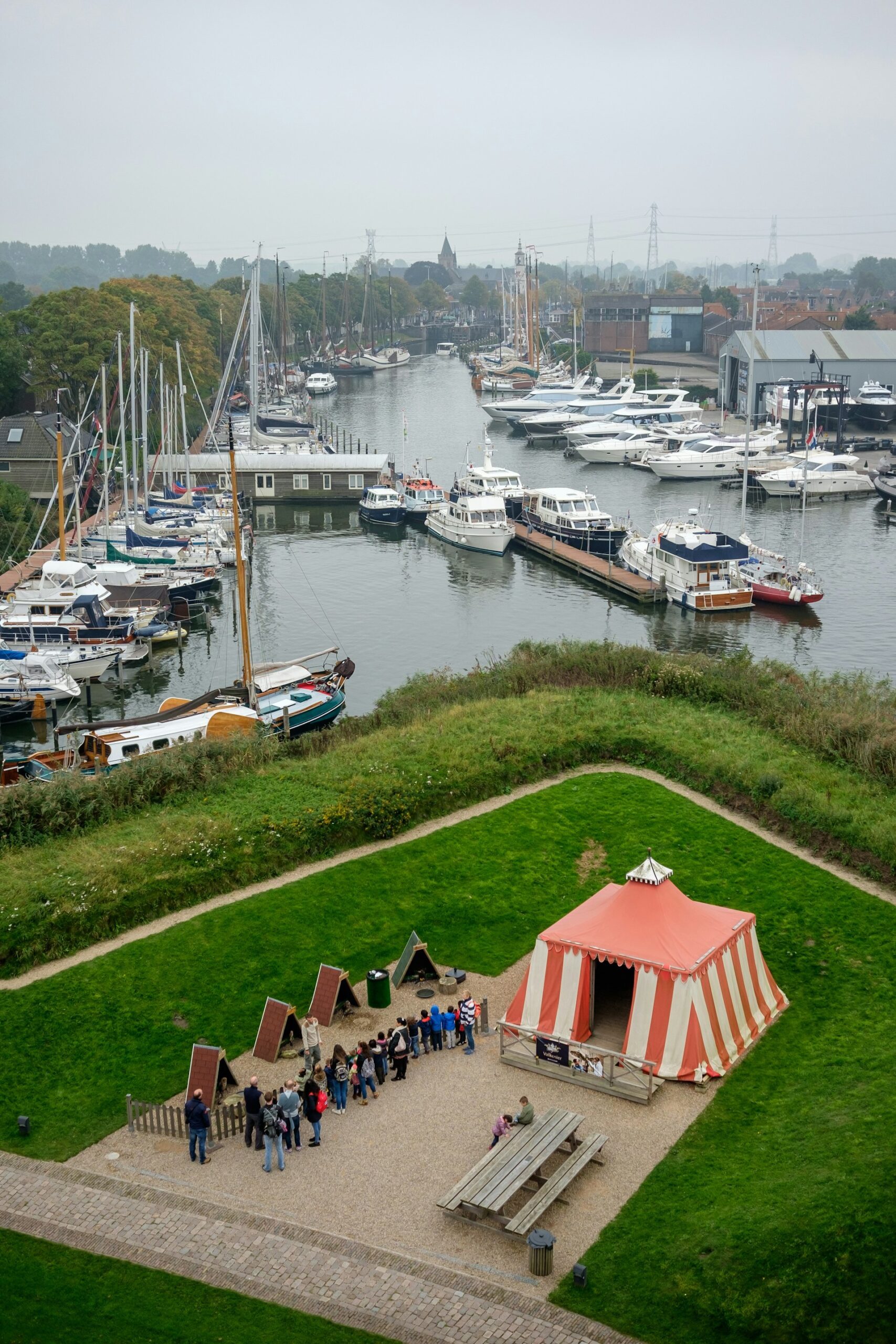
Muiderslot stands in the historic harbor town of Muiden, roughly 15km east of Amsterdam. The fortress sits strategically at the mouth of the River Vecht overlooking the IJmeer, creating a formidable silhouette against the water. While the town itself is lively with boats and terraces, the castle grounds offer a distinct, fortified atmosphere just steps away from the center.
For those using public transport, the journey requires a mix of train, bus, and walking. You typically catch a train to the nearby station of Weesp, then transfer to a regional bus that serves the Muiden stop. Be prepared for a ten-minute walk from the bus stop to the main gate, which takes you through the charming streets of the old town.
Driving is a viable option, though parking is restricted within the historic center. Clear signage leads you from the highway to designated parking lots (P1 and P2) situated a fifteen-minute walk from the entrance. Regardless of your transport method, you must book tickets and a specific entry time online in advance, as the site frequently sells out on weekends and holidays.
Did You Know?
The Ministry of War almost demolished the dilapidated castle for scrap stone before King William I intervened.
Practical Information
A visit to Muiderslot is a fascinating day trip from Amsterdam, but the medieval architecture presents some physical challenges. Understanding the transport connections, strict accessibility limits, and facility rules helps you navigate the steep towers and historic grounds with ease.
Practical Information
- Location: The castle stands at the mouth of the Vecht river in Muiden, roughly 15km east of Amsterdam.
- Getting There: Take a train to Weesp station and transfer to a bus, or catch the seasonal ferry from Amsterdam IJburg (April to October).
- Accessibility: The courtyard and gardens are accessible via paved paths, but the castle interior involves many steep, narrow stairs and is not wheelchair friendly.
- Facilities: Free lockers are available for bags (required for the museum routes), and restrooms are located in the courtyard.
- Environment: The stone fortress is unheated and drafty; interiors can feel very cold in winter, so wear warm layers.
- Dining: You can grab lunch, coffee, or snacks at the Taveerne café located in the castle courtyard.
Tips & Warnings
- Advance Booking: Tickets are sold by time slot. Book online in advance to guarantee entry, as capacity is limited inside the historic rooms.
- Luggage Policy: Large backpacks and suitcases are not permitted on the museum routes and must be stored in the lockers.
- Strollers: Buggies and prams cannot be taken into the castle or on the tower route; a parking area is provided in the courtyard.
- Dogs: Pets are strictly not allowed inside the castle or in the gardens, with the exception of registered assistance dogs.
- Footwear: The tower stairs are steep and the courtyard is cobbled. Wear comfortable, flat walking shoes for safety and comfort.
- Routes: The museum is divided into two routes; tackle the Tower Route first if you are concerned about energy levels for climbing.
Photography Tips
- Interiors: The 17th-century rooms are dimly lit to preserve artifacts; use a high ISO setting rather than flash.
- Lighting: The castle silhouette looks best in the late afternoon sun from the dike across the harbor.
- Equipment: Handheld photography is permitted, but the use of flash, tripods, and selfie sticks is strictly forbidden.
- Drones: The castle is a no-fly zone; operating drones over the monument or grounds is prohibited.
- Best Angles: Capture the full moat reflection from the gardens or the view of the IJmeer from the top of the West Battery.
Did You Know?
Engineers could flood the surrounding polders to create a water barrier that stopped enemy armies from advancing.
Contact Details
For general information about visiting Muiderslot, tickets, access, and tours:
E-mail: info@muiderslot.nl
Phone: +31 294 25 62 62
Website: https://muiderslot.nl/en/
Address:
Rijksmuseum Muiderslot
Herengracht 1
1398 AA
Muiden
The Netherlands
Opening Hours: The castle is generally open daily during the summer season (April to October) and Tuesday through Sunday in the winter season (November to March). Hours can vary during school holidays. Always check the official website before your visit.
- Closed: 25 December (Christmas Day), 31 December (New Year’s Eve), and 1 January (New Year’s Day).
- Summer (Apr – Oct): Daily 10:00 to 17:00.
- Winter (Nov – Mar): Tuesday to Sunday 10:00 to 17:00.
Did You Know?
Muiderslot serves as a crucial cornerstone of the UNESCO World Heritage listed Defense Line of Amsterdam.