


The Prinsengracht is the outermost and longest of the three main canals that make up Amsterdam’s UNESCO-listed historic ring. Stretching from the Brouwersgracht to the Amstel River, it serves as the lively border between the polished city center and the quaint Jordaan district. Its scenic, tree-lined quays are bustling with activity, making it a favorite route for boat tours, cyclists, and pedestrians alike.
Constructed during the 17th-century Golden Age, this waterway was originally designed to house workshops and warehouses for the city’s growing middle class. A visit here offers the chance to see defining landmarks such as the Anne Frank House and the iconic spire of the Westerkerk church. Travelers can also admire the hundreds of unique houseboats moored along the banks or stop at the traditional brown cafes that dot the waterside.
Did You Know?
This waterway stretches over three kilometers to form the longest main canal within the historic UNESCO World Heritage ring.
Table of Contents
History of the Canal
The Prinsengracht was excavated starting in 1612 as the outermost layer of Amsterdam’s massive “Third Expansion” project during the Dutch Golden Age. Named in honor of the Prince of Orange, it was designed to help accommodate the city’s exploding population as it grew into a global trading power. This ambitious urban planning masterpiece transformed the medieval port into a structured, crescent-shaped metropolis that became a model for cities worldwide.
Unlike the aristocratic Herengracht, which was reserved for the wealthiest regents, the Prinsengracht was originally a bustling hub for the middle class and artisans. Its banks were lined with workshops and warehouses where merchants stored coffee, spices, and other goods brought in from overseas. Because plots here were cheaper and smaller than on the inner canals, it developed a lively, industrious atmosphere that served as a border between the wealthy center and the working-class Jordaan district.
The canal took on a somber historical significance during World War II, when it became a site of silent resistance against Nazi occupation. At Prinsengracht 263, the Frank family hid for over two years in a “Secret Annex” concealed behind a movable bookcase to escape persecution. The building has since been preserved as a museum, standing as a poignant global symbol of the Holocaust and the city’s wartime scars.
In 2010, the Prinsengracht was officially inscribed as a UNESCO World Heritage site, recognized for its exceptional hydraulic engineering and architectural unity. It has since evolved from a commercial transport artery into one of the city’s most beloved recreational spaces, famously hosting the annual Prinsengracht classical music concert on the water. Today, it remains the most vibrant of the main canals, drawing millions who come to admire its historic houseboats and the iconic Westertoren spire.
Did You Know?
The canal honors Prince William the Silent who bravely led the Dutch revolt against Spanish rule during the sixteenth century.
What to Expect
With so many iconic landmarks packed along this three-kilometer stretch, it is easy to walk right past centuries of history without realizing it. To ensure you experience the true essence of the Prinsengracht, keep your eyes open for these essential stops that define its unique character.
Anne Frank Huis
Step inside the secret annex where the Frank family hid from Nazi persecution for over two years. This preserved canal house remains a deeply moving monument to the millions of victims of the Holocaust.
Westerkerk
Look up to admire the city’s highest church tower, which is topped with the vibrant imperial crown of Maximilian I. The famous Dutch Master painter Rembrandt van Rijn was buried in a pauper’s grave somewhere within these historic walls.
Houseboat Museum
Board the Hendrika Maria, a 1914 freighter ship that has been converted into a charming floating home. This small museum offers a rare and fascinating glimpse into what it is actually like to live on Amsterdam’s canals.
Noordermarkt
Visit this bustling square on Saturdays to experience one of the best organic farmers’ markets in the country. It sits directly on the canal edge and is the perfect spot to hunt for antiques or taste fresh Dutch cheese.
Historic Brown Cafés
Grab a seat at a traditional pub like Café Papeneiland or Winkel 43 to try their legendary Dutch apple pie. These cozy, wood-paneled spots have served locals for centuries and are the best places to soak up the city’s atmosphere.
The Nine Streets
Wander through this grid of photogenic side streets that intersect the Prinsengracht in the central canal ring. They are packed with vintage stores, independent boutiques, and specialty shops that you won’t find anywhere else.
Did You Know?
You can spot the tallest church tower in Amsterdam here which stands eighty-five meters high above the city skyline.
Image Library
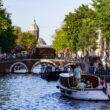
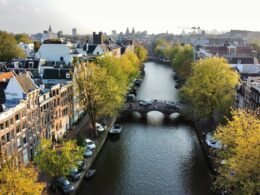
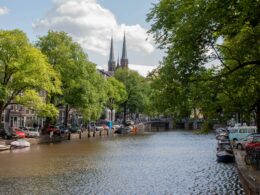
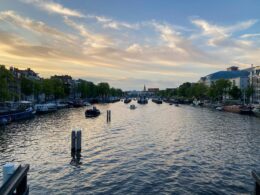
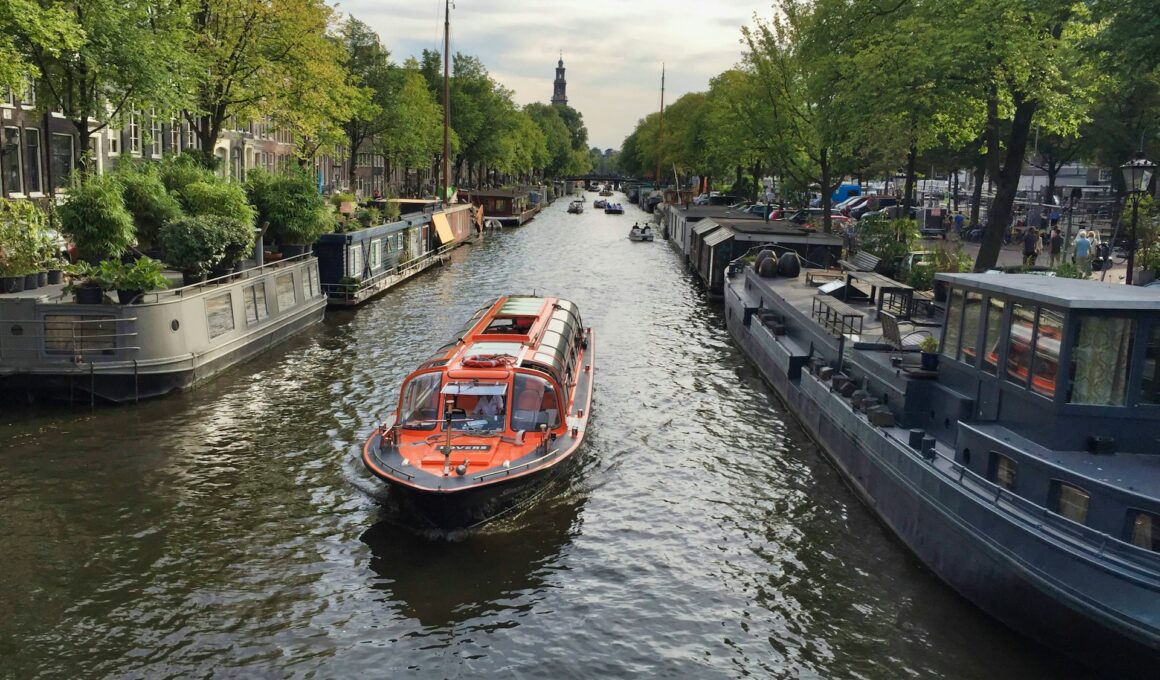
This photo library displays the vibrant charm of the city’s longest and most atmospheric waterway. You can view the iconic silhouette of the Westerkerk reflecting in the water, offering perfect sightlines toward the quaint Jordaan district. The images showcase the historic warehouses and houseboat-lined quays that give this area a lived-in, authentic atmosphere. Use these pictures to scout the best angles for your own photography or to visualize the quintessential Dutch setting before you arrive.
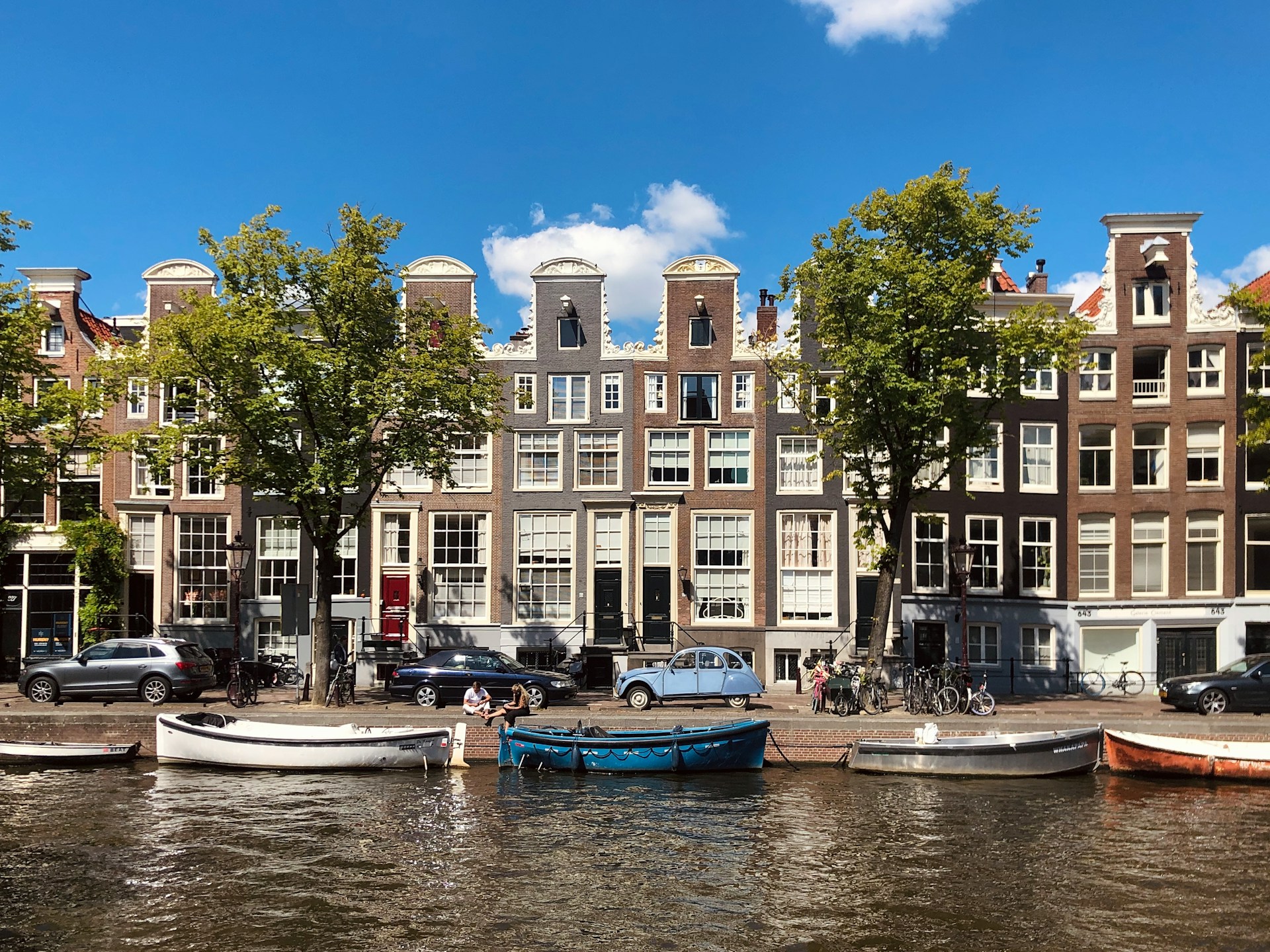
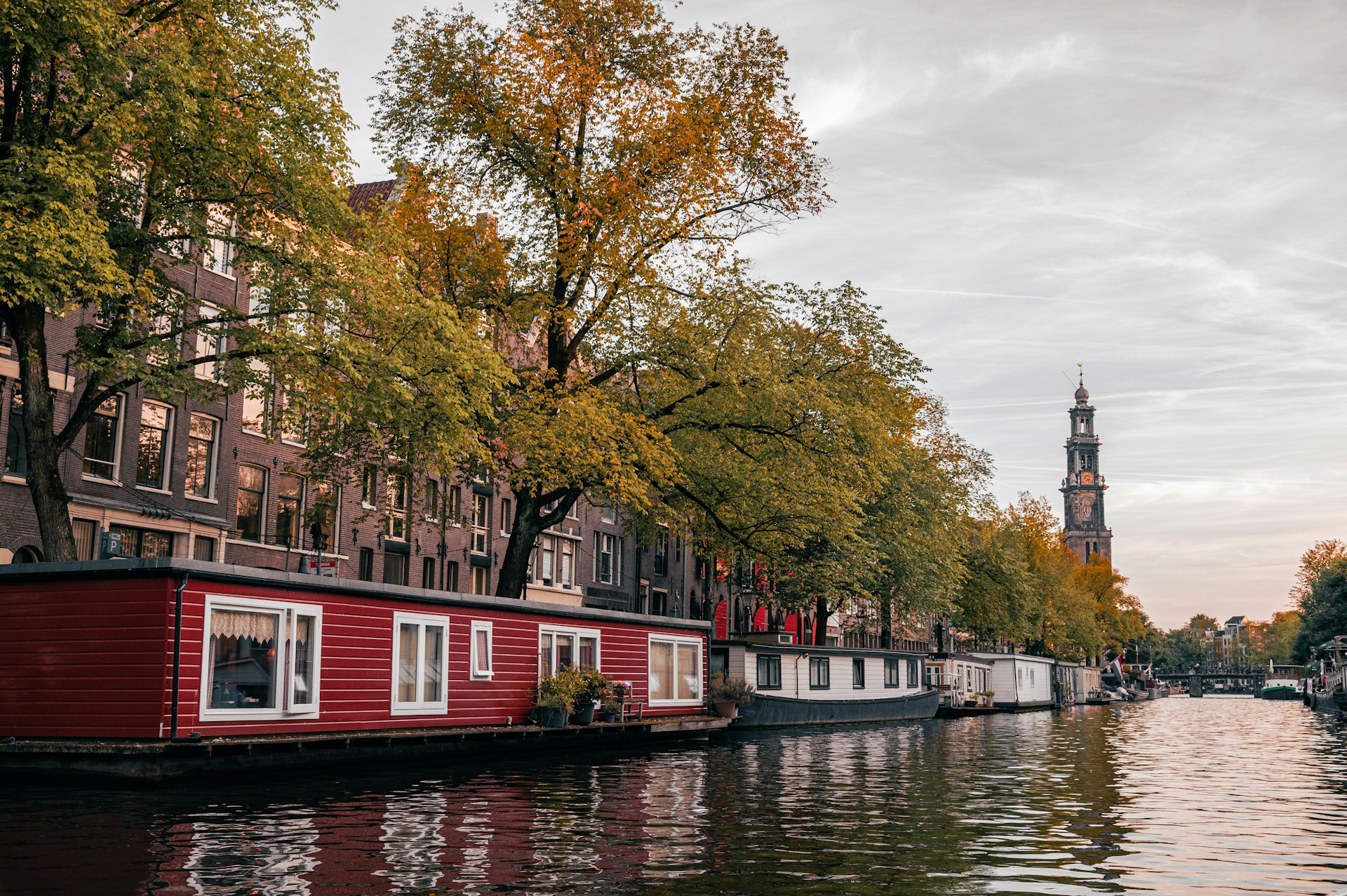
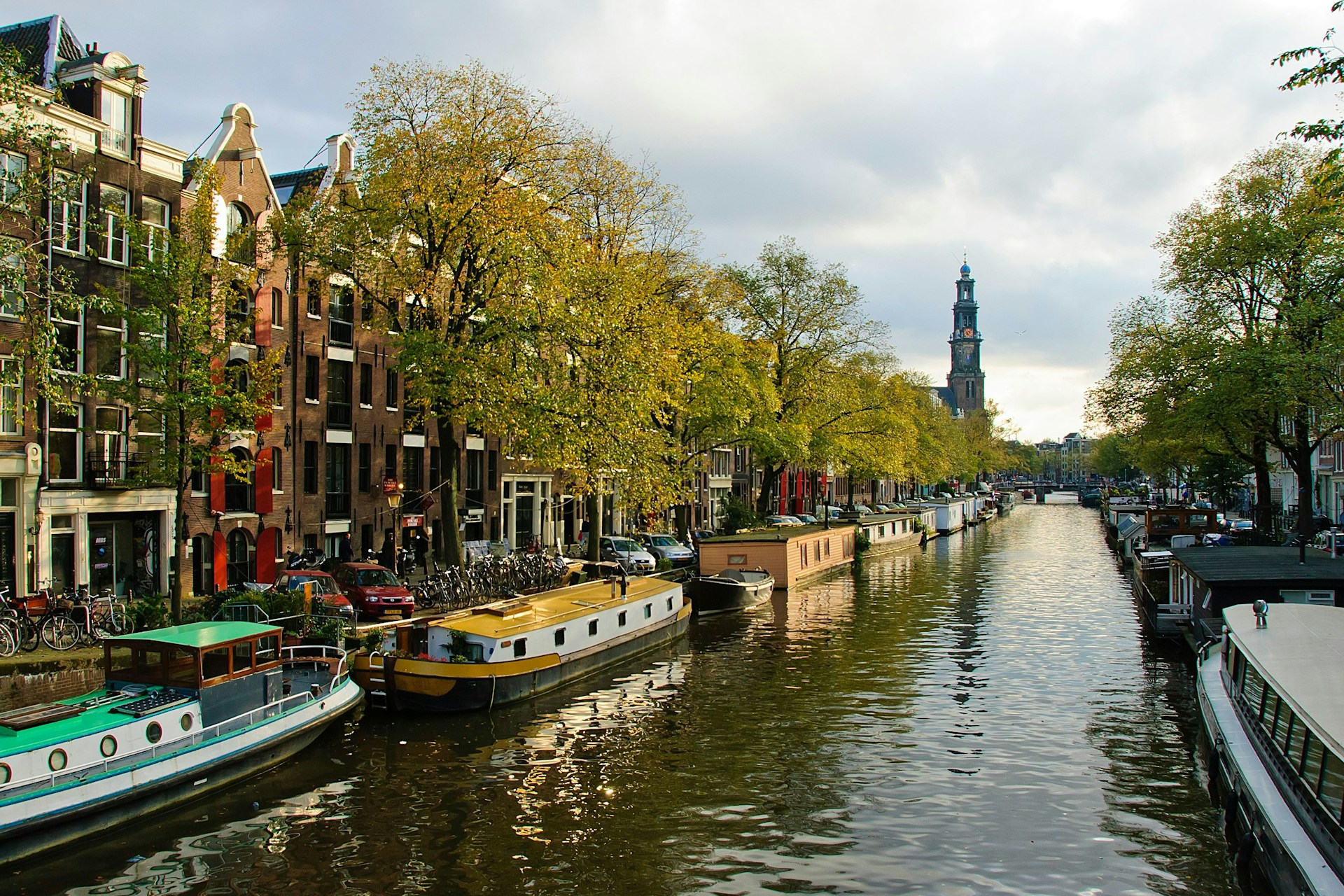
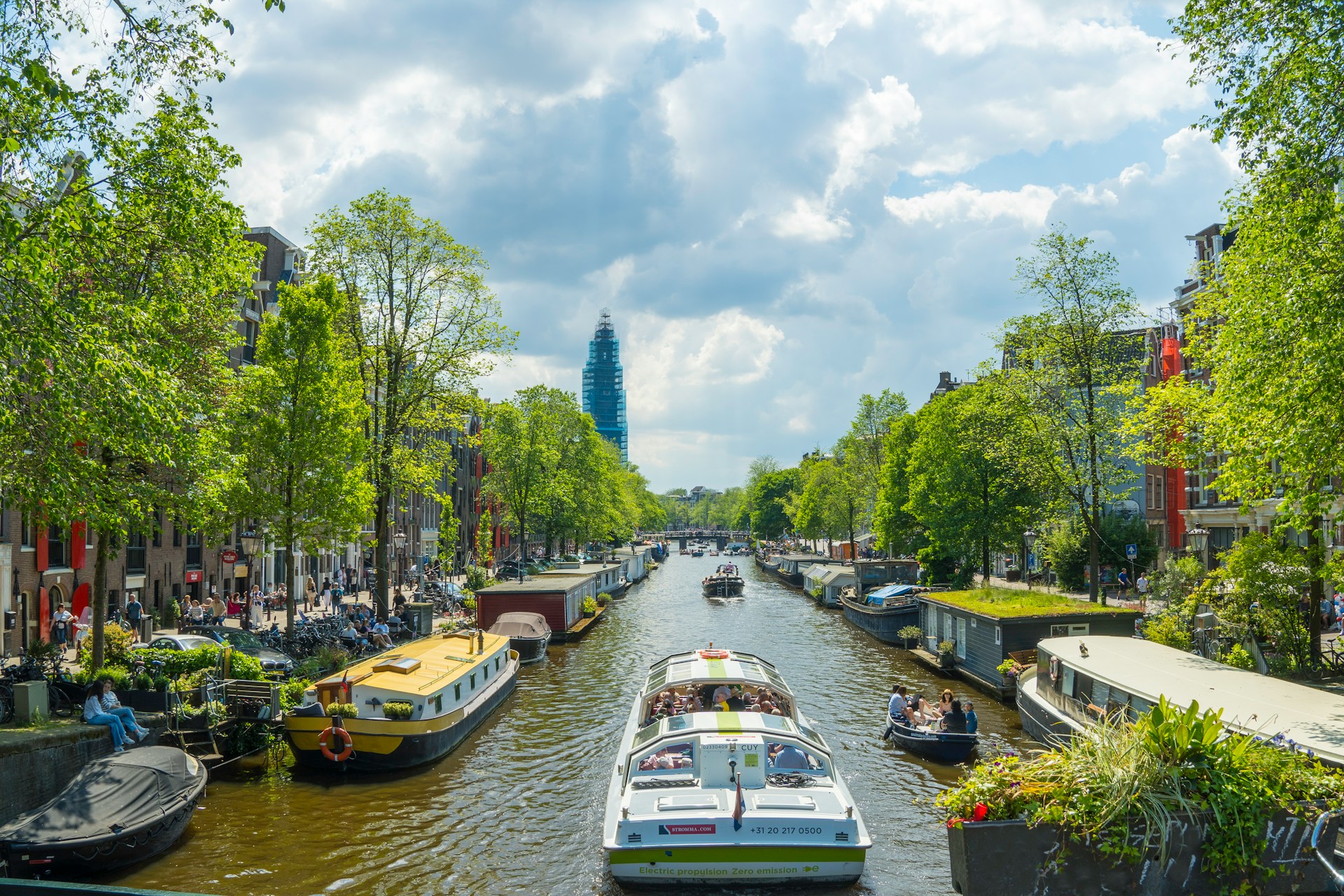
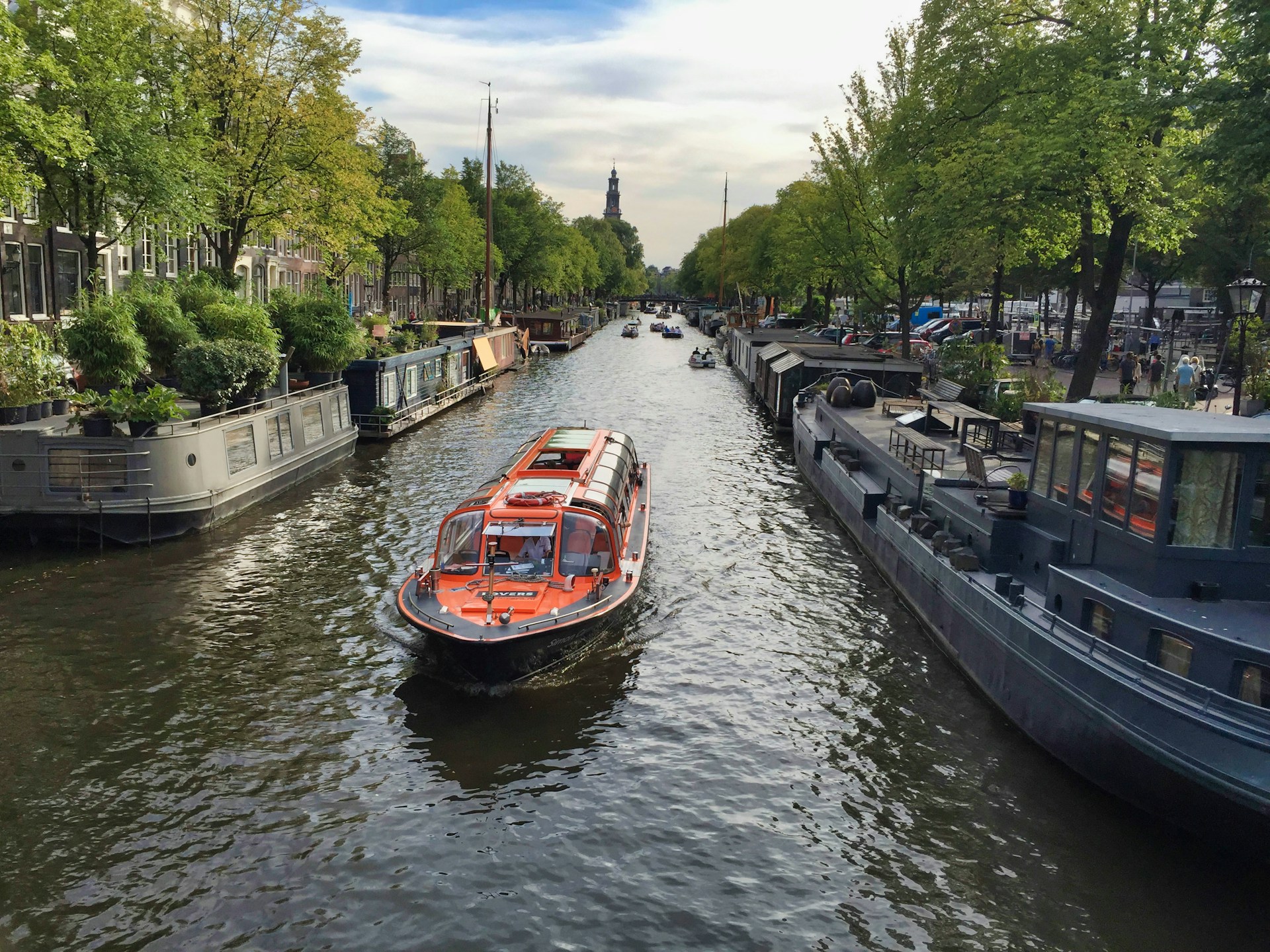
These photos also demonstrate how the light and seasons change the mood of the canal throughout the year. You see the sun illuminating the busy decks of passing boats and the warm glow of brown cafes on the dark water at night. Whether you want to find the spot where the famous open-air concert is held or simply admire the Golden Age architecture, this collection highlights why the Prinsengracht remains the city’s favorite promenade.
Did You Know?
Thousands of locals gather on boats every August to enjoy a free classical music concert performed on a floating stage.
Location & Access
Getting to this bustling waterway is effortless, as it forms the outermost ring of the historic center and runs through the vibrant Jordaan district. While it feels like a lively village, the Prinsengracht is only a short stroll from major attractions like the Anne Frank House and the Nine Streets, making it the perfect main artery for a tour of the city.
Did You Know?
Authorities block boat traffic during freezing winters to allow ice to thicken enough for the citywide ice skating tradition.