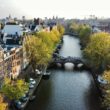
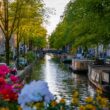
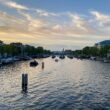

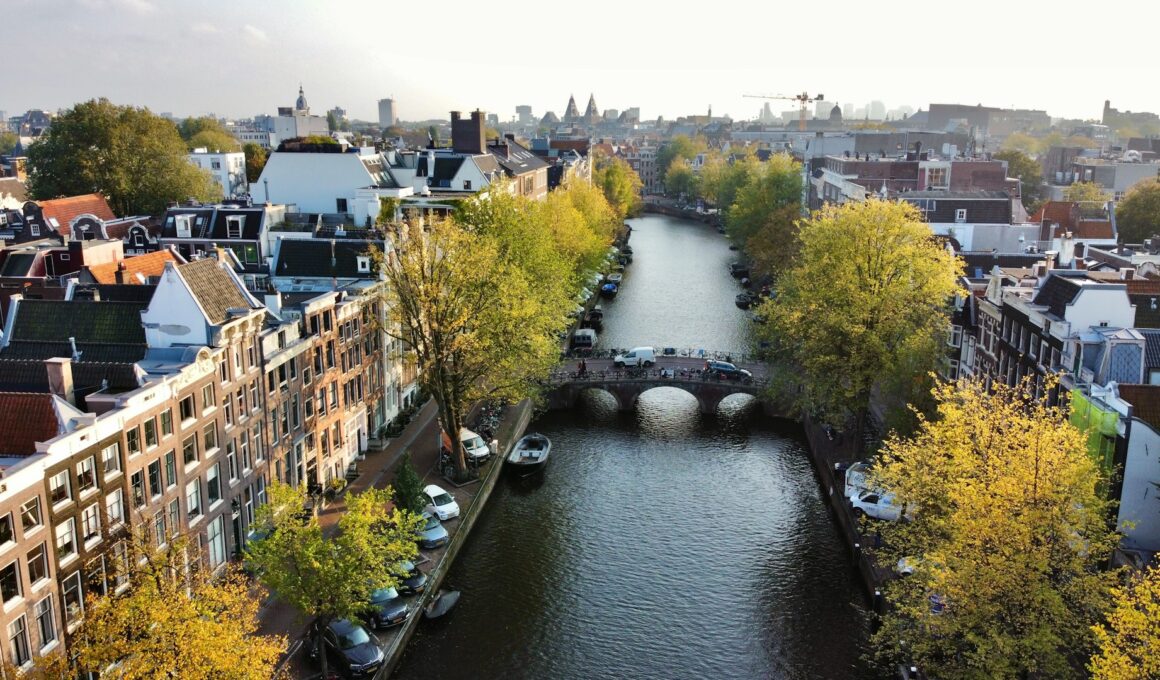
The Keizersgracht serves as the widest waterway in the central canal ring, situated directly between the Herengracht and the Prinsengracht. Named in honor of Holy Roman Emperor Maximilian I, this broad canal was excavated in 1612 to expand the growing city. It cuts a grand path through the historic center, bordered by monumental elm trees and centuries-old brick architecture.
Originally designed for wealthy merchants and city regents, the canal features a mix of stately homes and former warehouses.
Did You Know?
City planners named the canal after Holy Roman Emperor Maximilian I to reflect the high status of its future residents.
Table of Contents
History of the Canal
The Keizersgracht, or “Emperor’s Canal,” was excavated in 1612 as the central artery of Amsterdam’s famous canal ring expansion. City planners named it in honor of the Holy Roman Emperor Maximilian I, whose imperial crown also adorns the spire of the nearby Westerkerk. They designed it to be the widest waterway in the entire district, spanning nearly 30 meters to create a grand sense of space for the developing city.
During the Dutch Golden Age, this broad canal attracted successful merchants who built monumental homes along its banks. While the neighboring Herengracht was strictly residential, the Keizersgracht allowed for a vibrant mix of living and culture. You can still see this legacy at number 123, the “House with the Heads,” where six sculpted stone heads of Roman gods have gazed down from the facade since 1622.
The canal also played a quiet but crucial role in world history and religious freedom. In 1782, John Adams opened the first American-owned embassy in the world at number 529 to secure loans for the young United States. Further down the water, the “Rode Hoed” (Red Hat) at number 102 operated as a clandestine church, hidden behind a hatmaker’s shop to protect Remonstrant worshippers from persecution.
Today, the Keizersgracht remains a centerpiece of the city’s UNESCO World Heritage site, lined with hundreds of national monuments. It holds a special place in the hearts of locals as the first canal designated for ice skating when the temperature drops, transforming into a festive frozen boulevard. Whether you visit in winter or summer, the waterway offers the perfect cross-section of Amsterdam’s architectural evolution.
Did You Know?
This waterway spans nearly thirty meters across to make it the widest canal within the entire historic Grachtengordel ring.
What to Expect
The Keizersgracht offers more than just scenic water views; it serves as an open-air museum of Amsterdam’s Golden Age ambition and cultural evolution. While it is tempting to simply walk the length of the canal, pausing at specific addresses reveals hidden churches, grand merchant homes, and landmarks of human rights history. Keep your eyes peeled for these essential stops to truly understand the stories behind the facades.
Museum Van Loon (No. 672)
Visit this double-sized canal house to see how the ultra-wealthy lived in the seventeenth century. Don’t miss the restored formal garden and the original carriage house at the back, which is a rare survival in the city center.
Huis met de Hoofden (No. 123)
Stop to admire the ornate Renaissance facade of the “House with the Heads,” built in 1622. The six sculpted stone heads near the entrance represent Roman gods and remain one of the city’s most photographed architectural details.
Foam (No. 609)
Step inside this canal house to explore one of Europe’s premier photography museums. The museum blends the historic interior with modern exhibition spaces to showcase both world-famous photographers and emerging talent.
Homomonument (Westermarkt)
Pay your respects at this groundbreaking memorial composed of three pink granite triangles extending into the canal near the Westerkerk. It was the world’s first monument dedicated to persecuted LGBTQ+ people and remains a powerful symbol of freedom today.
Felix Meritis (No. 324)
Look up at the imposing neoclassical columns of this building, which served as the majestic temple of the Dutch Enlightenment. It was the cultural hub where citizens gathered in the eighteenth century to discuss science, art, and philosophy.
De Rode Hoed (No. 102)
Discover the history of religious tolerance at this former clandestine church hidden behind a simple hatmaker’s shop. It served as a safe haven for Remonstrants in the seventeenth century and now operates as a vibrant cultural debate center.
Did You Know?
John Adams established the very first American embassy in the world at number 529 to secure vital war loans.
Image Library
This photo library displays the monumental grandeur of the widest waterway in the historic canal ring. You can view the iconic silhouette of the Westerkerk tower reflecting in the broad water, offering perfect sightlines past the elm-lined banks. The images showcase the stately double-fronted mansions and neoclassical landmarks that give this area a regal, open atmosphere. Use these pictures to scout the best angles for your own photography or to visualize the quintessential Golden Age cityscape before you arrive.
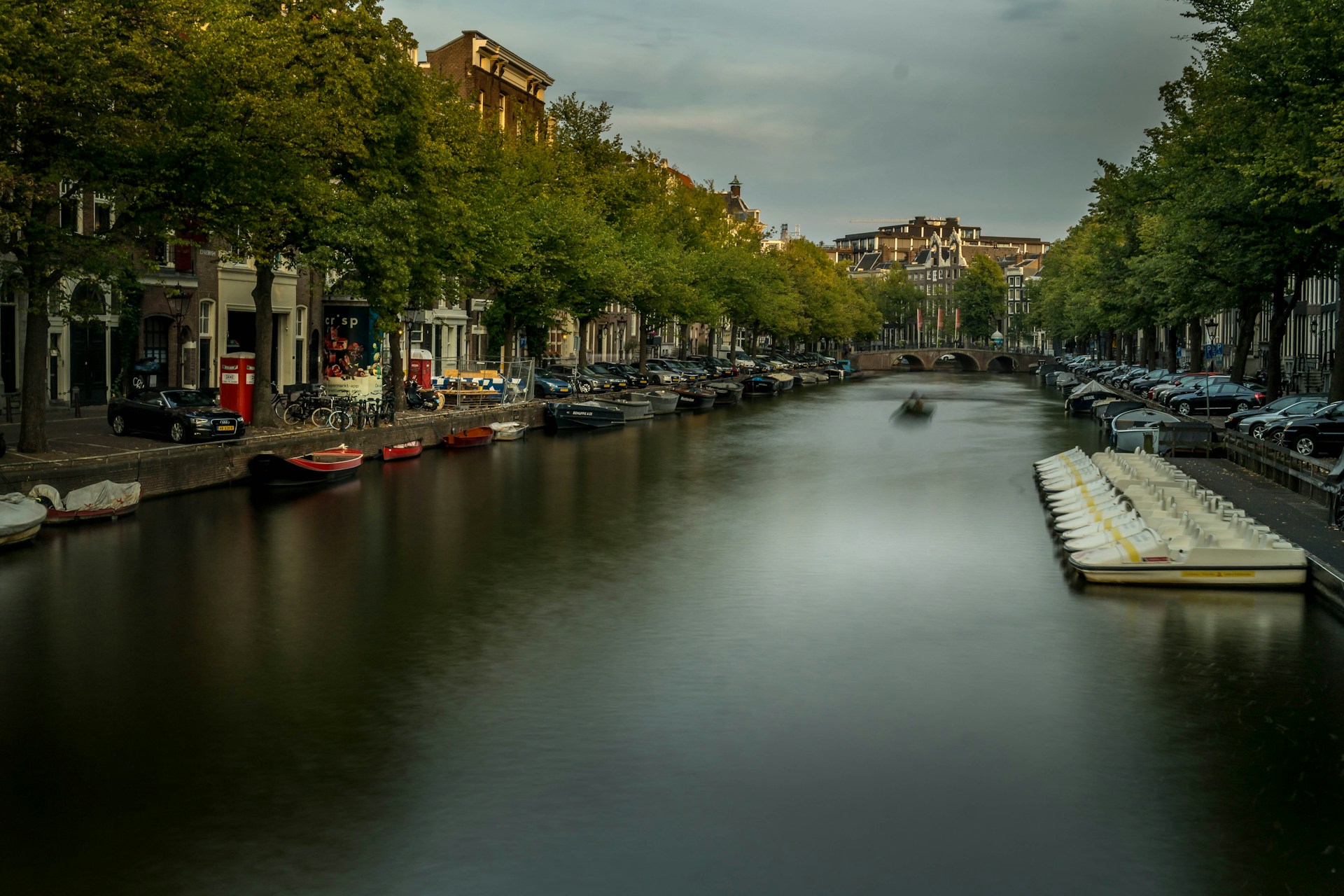
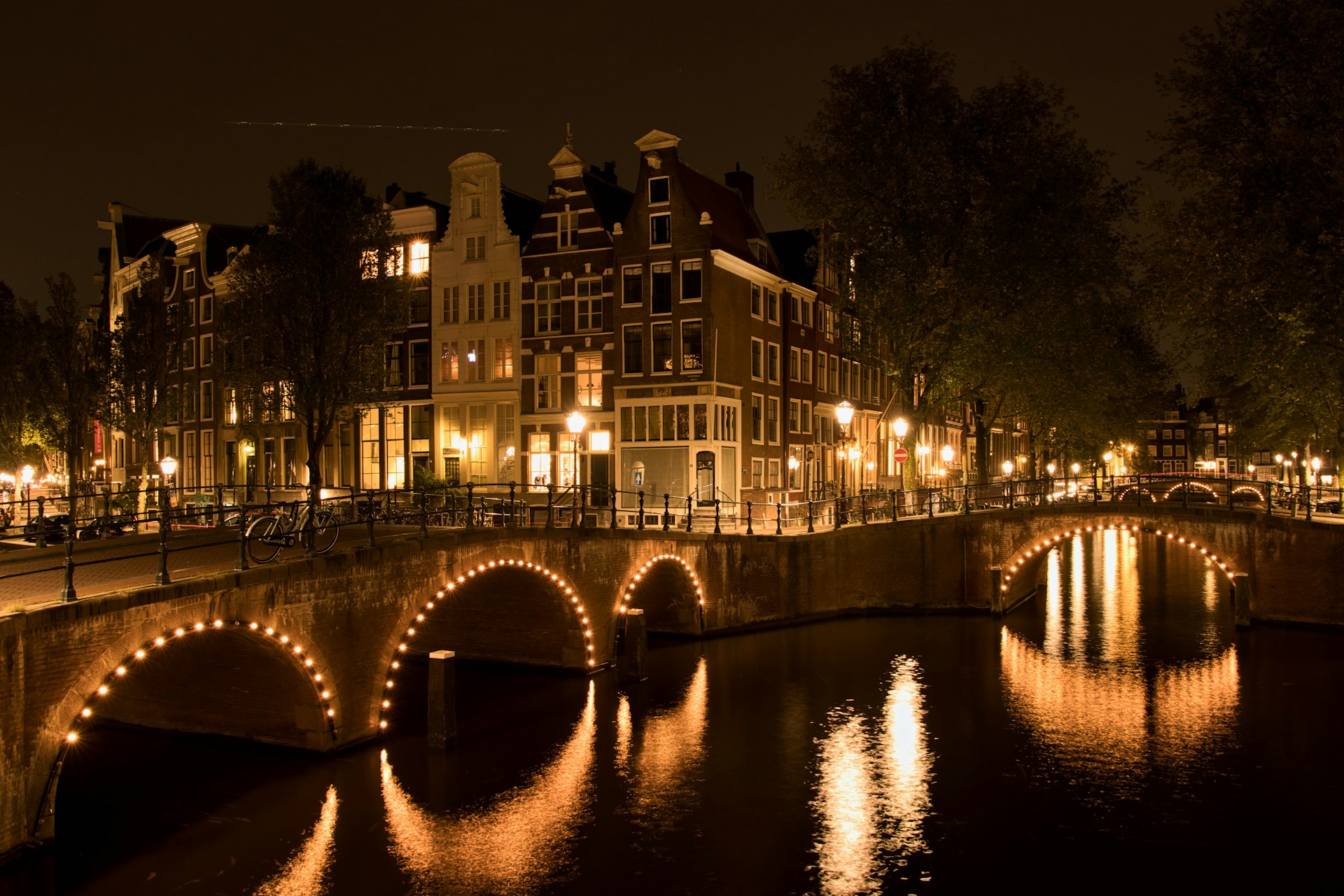
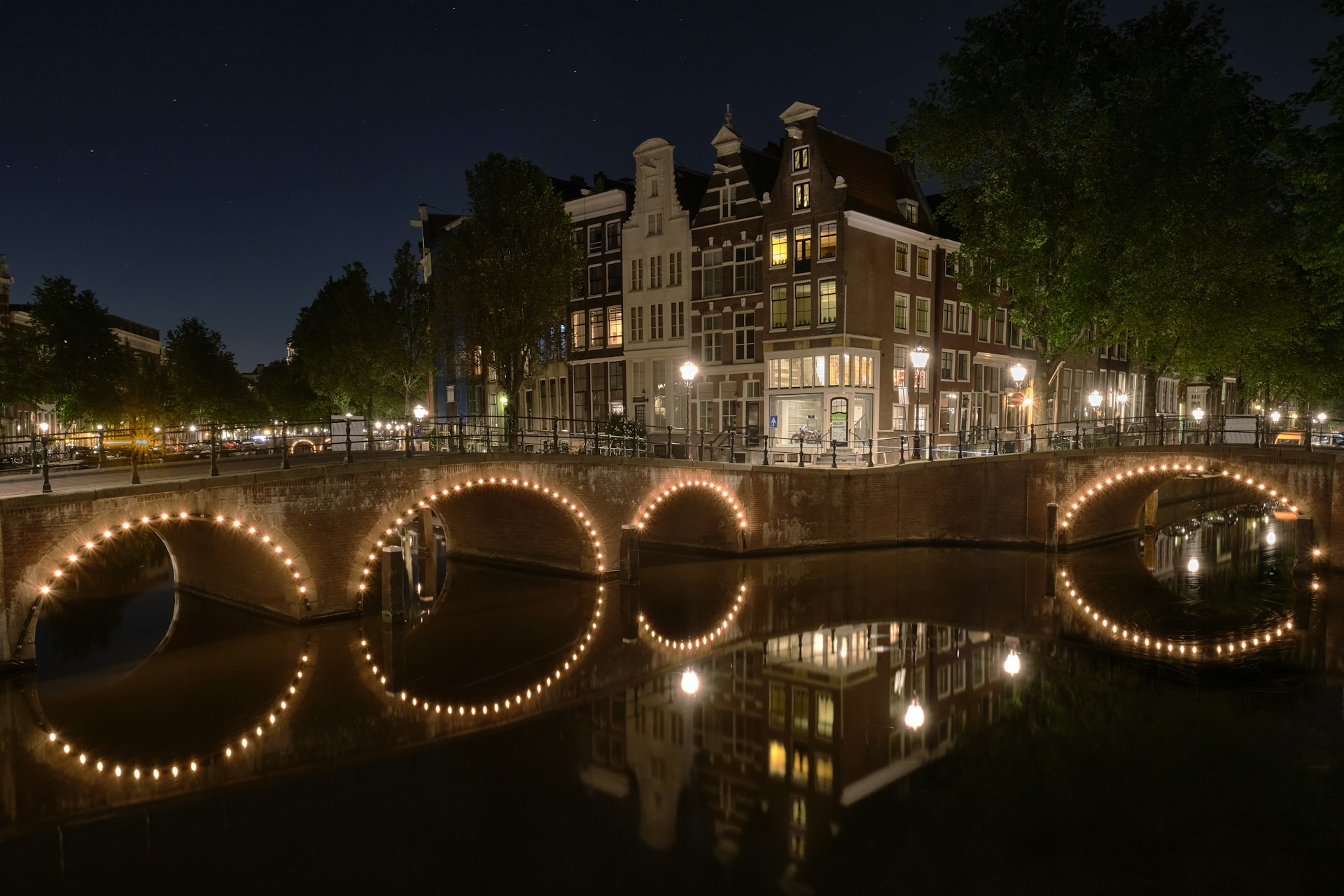
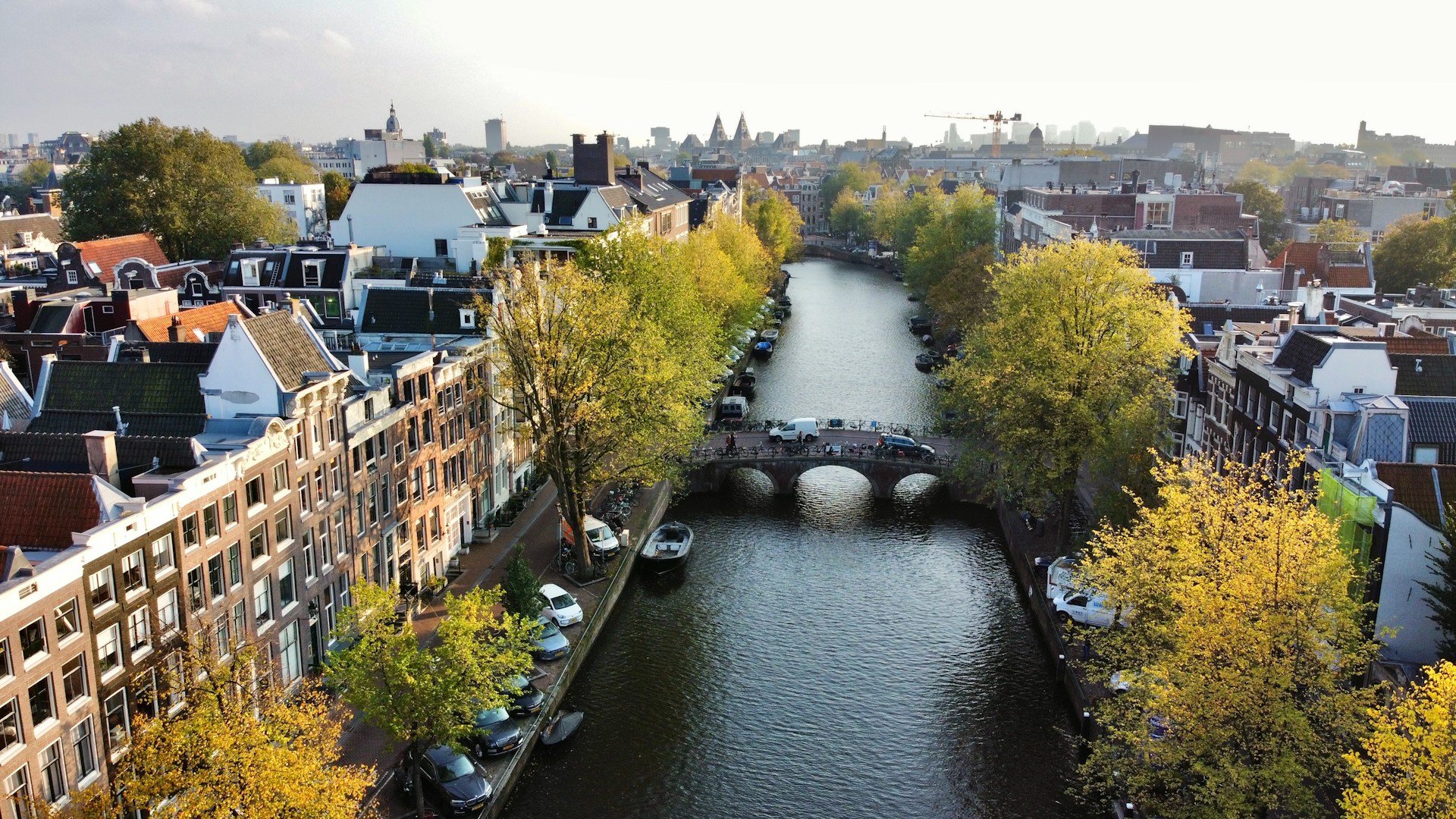
These photos also demonstrate how the light and seasons change the mood of the canal throughout the year. You see the sun illuminating the ornate facade of the “House with the Heads” and the romantic glow of bridge lights on the dark water at night. Whether you want to find the spot where the canal famously transforms into an ice rink in winter or simply admire the historic houseboats, this collection highlights why the Keizersgracht remains the city’s most impressive promenade.
Did You Know?
A hatmaker concealed a secret Remonstrant church behind the facade of number 102 to avoid persecution during the seventeenth century.
Location & Access
Getting to this grand waterway is simple, as it cuts a wide path through the center of the historic canal ring between the Herengracht and Prinsengracht. While it feels like an open-air museum of Golden Age wealth, the Keizersgracht is just steps away from the bustling Nine Streets and the Anne Frank House, making it the ideal scenic route for traversing the city.
Did You Know?
The wealthy Van Loon family built a rare carriage house behind their double mansion to store their coaches and horses.