



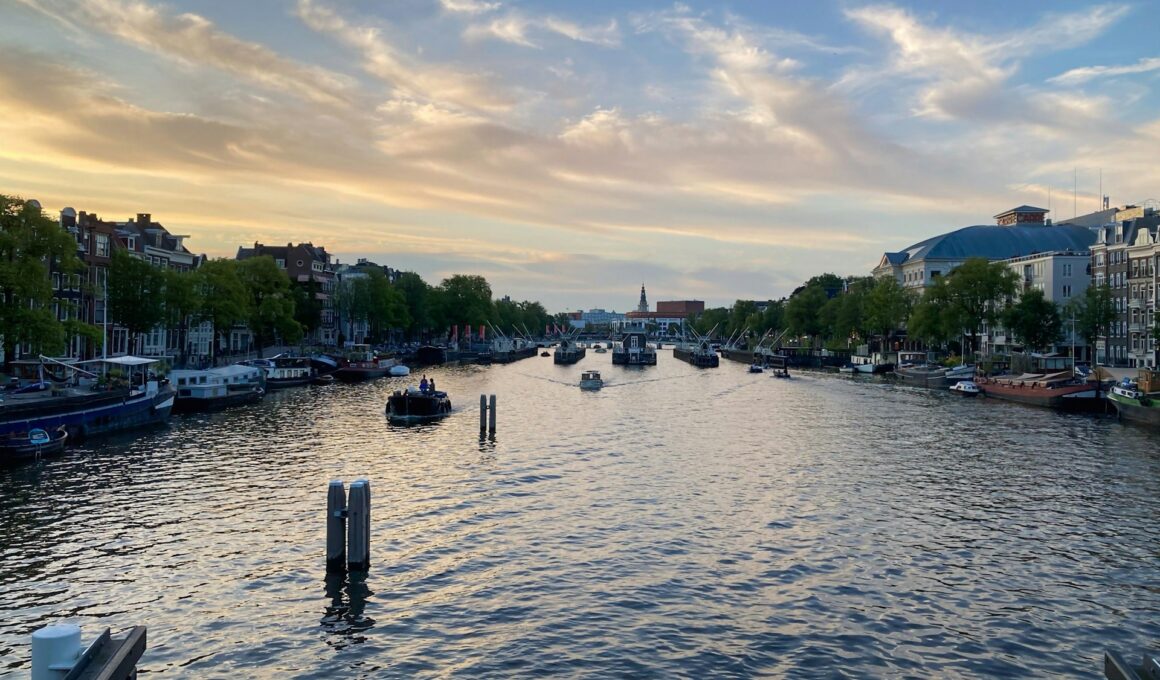
The Amstel is the wide, winding river that flows from the countryside into the city center, giving Amsterdam its name. It serves as a scenic, open waterway lined with diverse architecture, from modern opera houses to historic canal houses. Major landmarks along its banks include the famous Magere Brug (Skinny Bridge), the Royal Theatre Carré, and the Stopera city hall complex.
Historically, this river was the vital lifeline for bringing fresh water and trade goods into the brewing and merchant industries of the growing city. A walk along its breezy quays offers open views of the iconic Amstel Locks, which still manage the city’s water levels today. It is also a cultural hub, hosting events like the annual Liberation Day concert and the vibrant Canal Parade during Pride.
Did You Know?
Amsterdam literally means “Dam on the Amstel” because early settlers built a protective barrier here in the thirteenth century.
Table of Contents
History of the Canal
The Amstel River is the very reason for the city’s existence, deriving its name from the Old Dutch Aeme-stelle, meaning “water area”. In the late 12th century, a small fishing community settled along its banks and constructed a dam around 1270 to protect themselves from rising tides. This crucial barrier, located at what is now the bustling Dam Square, gave the settlement its original name, Amstelredam, which eventually evolved into the Amsterdam we know today.
During the Middle Ages and the Golden Age, the river served as a vital lifeline for trade, transporting peat, wood, and food from the hinterland directly into the city center. Because the water in the city’s canals was often brackish and polluted, the Amstel’s cleaner flow was essential for the brewing industry. This legacy is immortalized by the Amstel Brewery, founded in 1870, which used the river’s water for production and harvested its winter ice to cool their cellars.
To manage the constant threat of flooding and maintain fresh water levels, the city constructed the Amstelsluizen (Amstel Locks) in 1673. These historic brick locks, which still sit in front of the Royal Theatre Carré, were a feat of hydraulic engineering designed by Mayor Johannes Hudde to seal off the river from the tidal IJ. This system allowed the city to flush its grachten with fresh water, a practice that continues to help maintain water quality today.
Today, the Amstel has transformed from a commercial artery into one of the city’s most scenic recreational spaces. Its banks are lined with iconic landmarks such as the Stopera, the H’ART Museum (formerly Hermitage), and the famous Magere Brug (Skinny Bridge). The river remains a cultural centerpiece, hosting major events like the annual Liberation Day concert and the festive canal parade during Pride.
Did You Know?
You can see the famous Skinny Bridge which legend says was built by two sisters who lived on opposite banks.
What to Expect
The Amstel River is wide, breezy, and lined with a spectacular mix of architecture that you simply cannot see on the narrower canals. This is the city’s open-air stage, where the story of Amsterdam evolves from 17th-century engineering to modern cultural landmarks. To truly understand the city’s connection to the water, keep your eyes on the banks for these essential stops.
Magere Brug (Skinny Bridge)
Walk across this iconic wooden drawbridge that has connected the riverbanks since the 17th century. It is arguably the most romantic spot in the city, especially at night when over a thousand lights reflect off the dark water.
H’ART Museum
Visit this major art museum housed in the Amstelhof, a massive building that served as a retirement home for over 300 years. The structure itself is a stunning example of Classical Dutch architecture, enclosing a beautiful, tranquil courtyard garden.
Royal Theatre Carré
Catch a show or simply admire the facade of this grand theater, originally built in 1887 to host permanent circus performances. It remains one of the most prestigious venues in the Netherlands, sitting majestically right by the river locks.
National Opera & Ballet (Stopera)
Look for the curved, red-brick complex that combines Amsterdam’s City Hall with its premier opera house. While its modern design was once controversial, it is now a beloved cultural hub offering panoramic views over the water.
InterContinental Amstel Hotel
Marvel at the palatial grandeur of this legendary hotel, which has hosted royalty and celebrities since opening in 1867. Its terrace is one of the city’s finest spots to watch boats pass by while enjoying a luxurious afternoon tea.
Amstelsluizen
Observe these historic brick locks that have managed the city’s water levels and quality since the late 17th century. They are a masterpiece of hydraulic engineering, still functioning today to keep the canals flush with fresh water.
Did You Know?
The Amstel Brewery founded in 1870 used river water for cooling and harvested ice from the frozen surface in winter.
Image Library
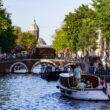
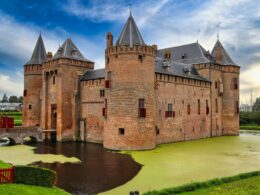
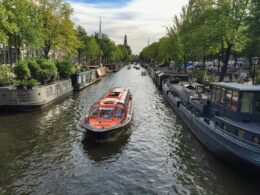
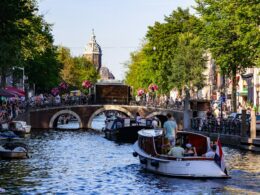
This photo library displays the sweeping grandeur of the city’s namesake river. You can view the iconic silhouette of the Magere Brug (Skinny Bridge) reflecting in the wide water, offering perfect sightlines toward the historic canal ring. The images showcase the grand cultural landmarks and floating houseboats that give this area a majestic, open atmosphere. Use these pictures to scout the best angles for your own photography or to visualize the quintessential Dutch river landscape before you arrive.
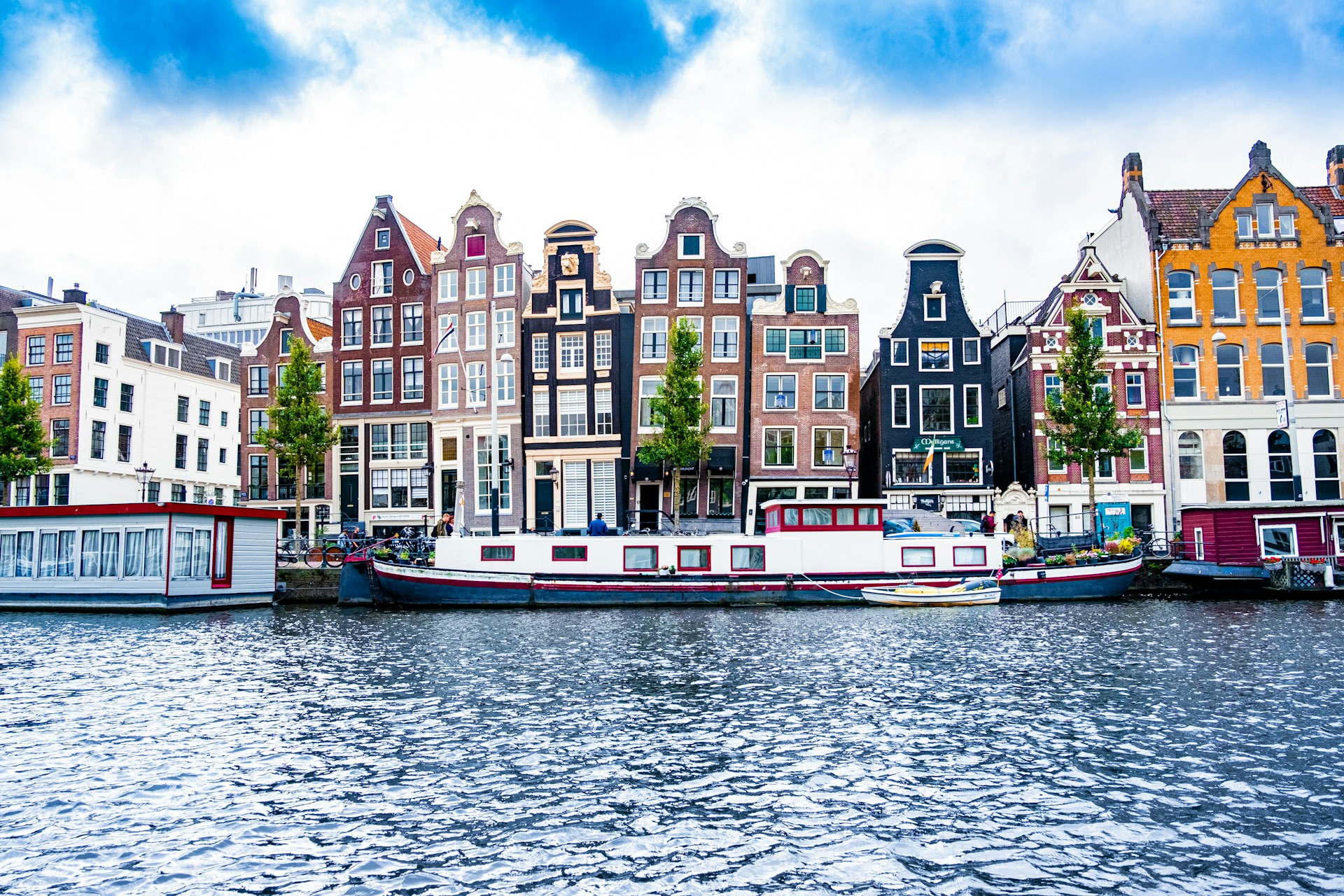
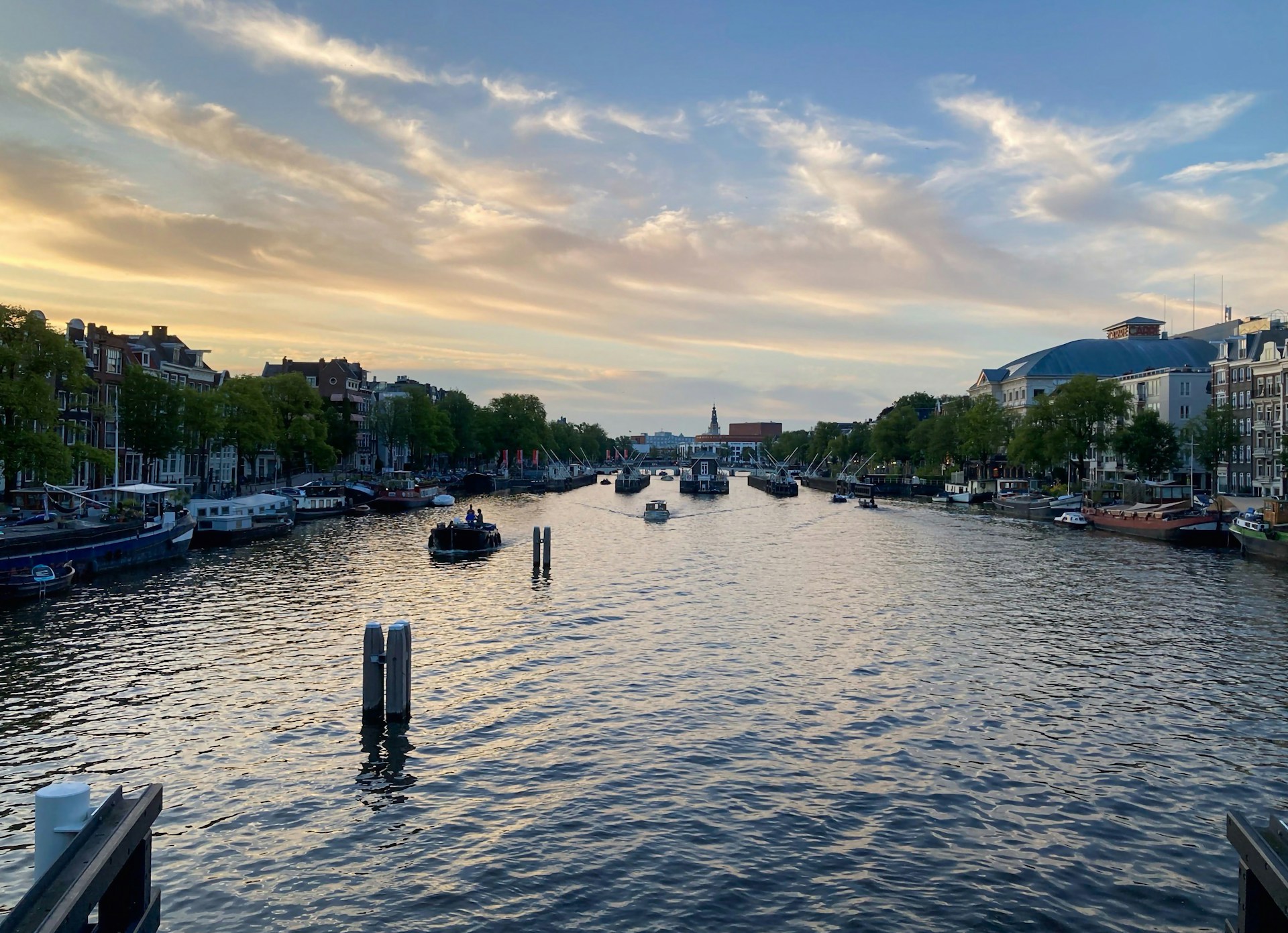
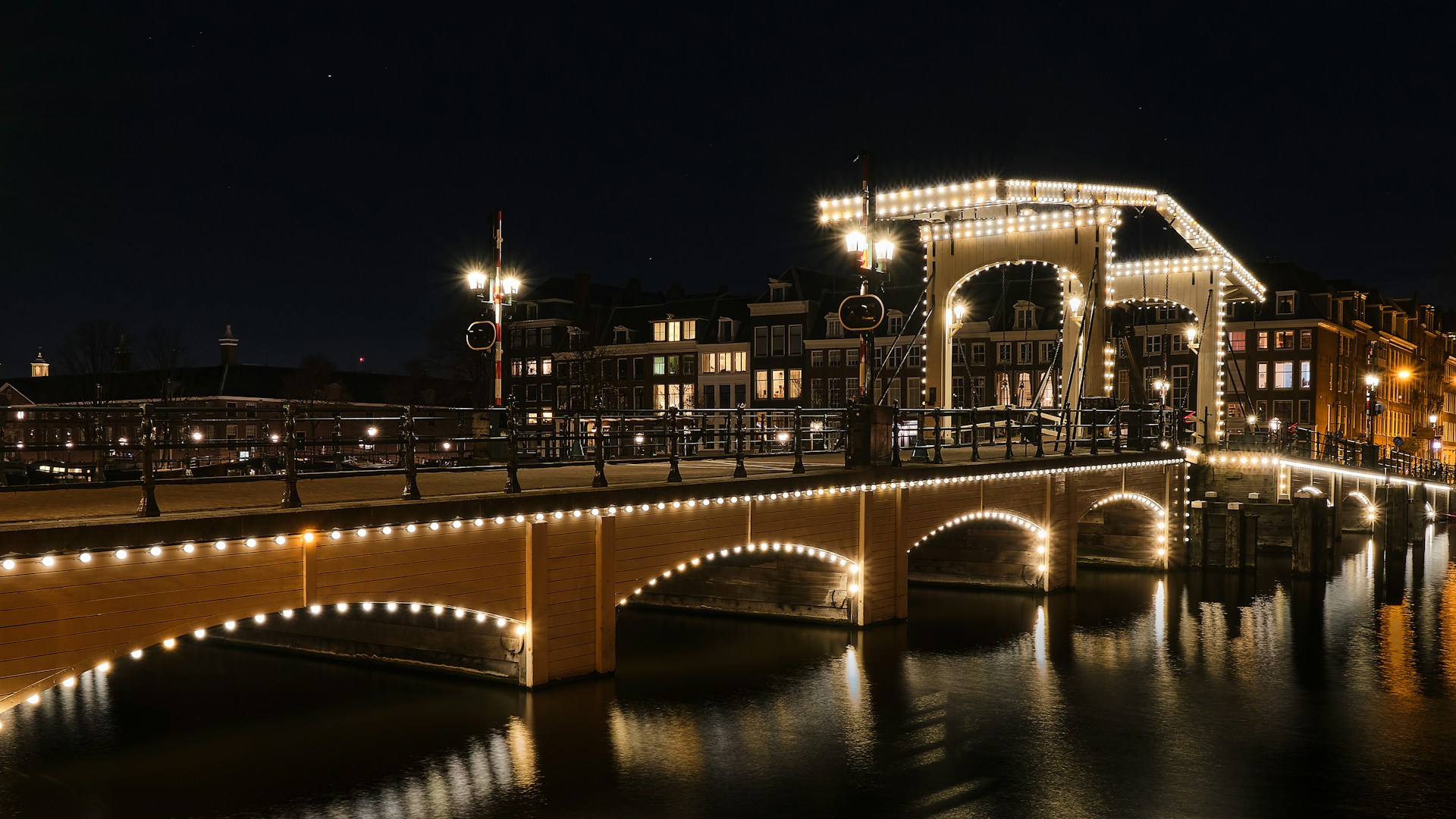
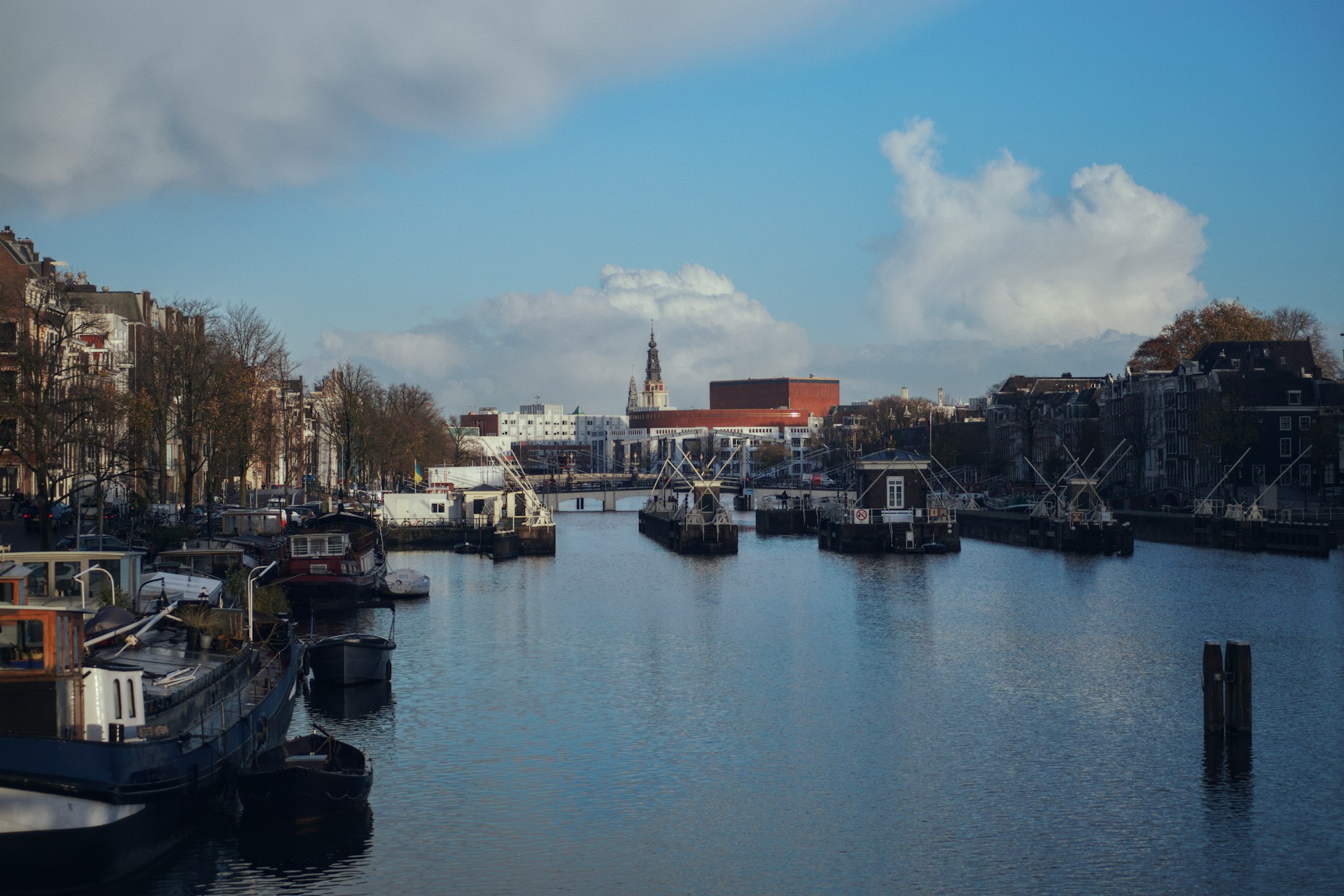
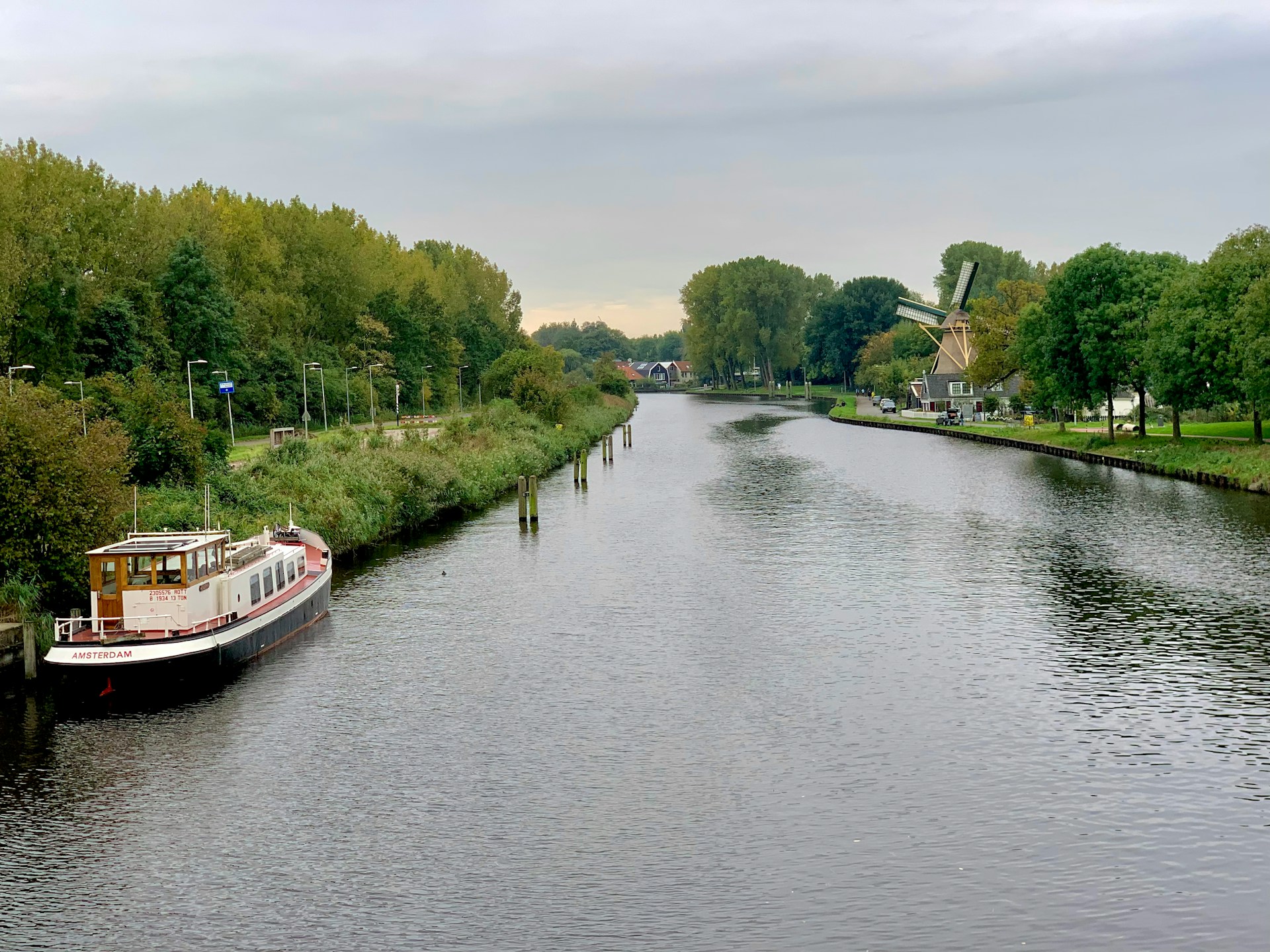
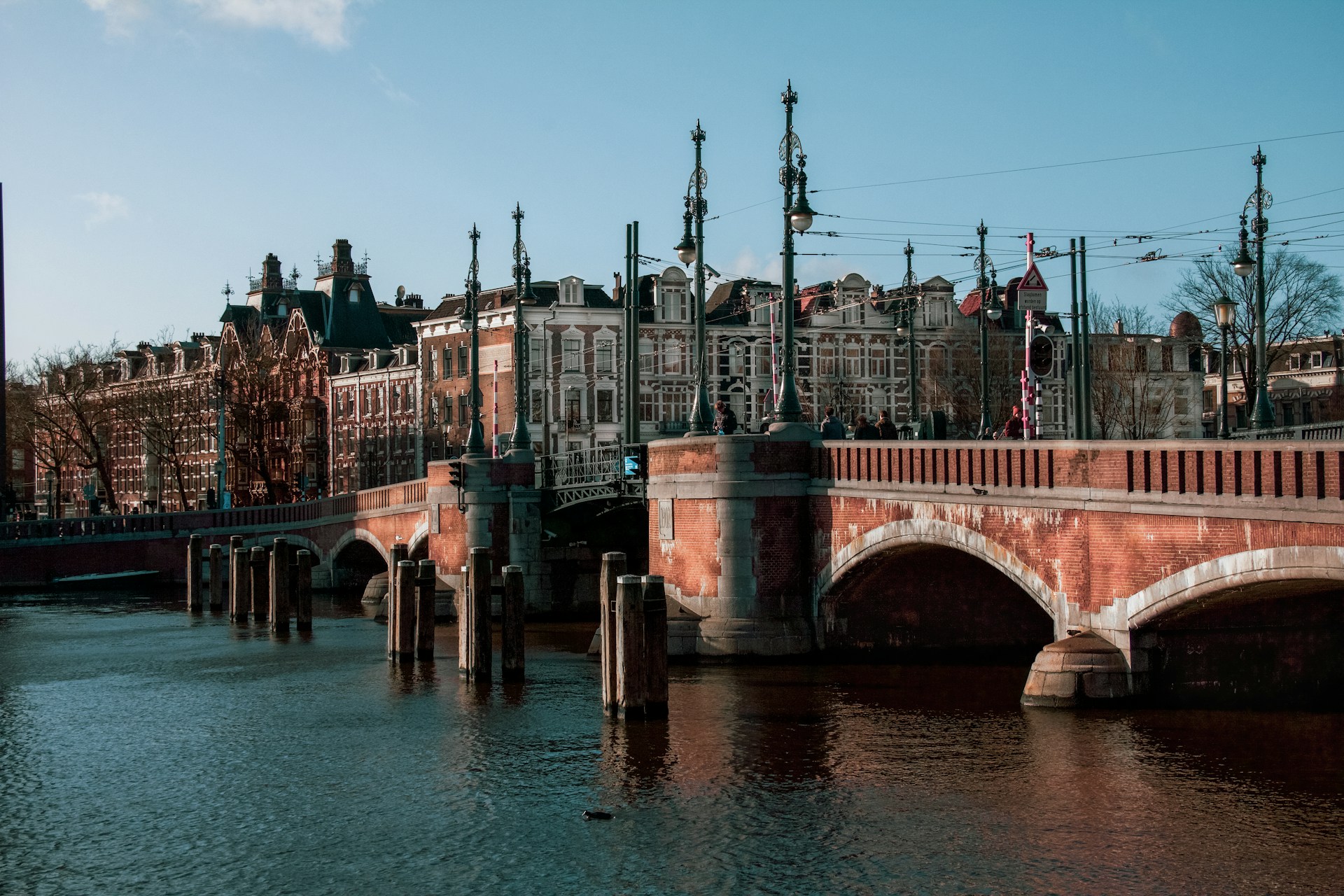
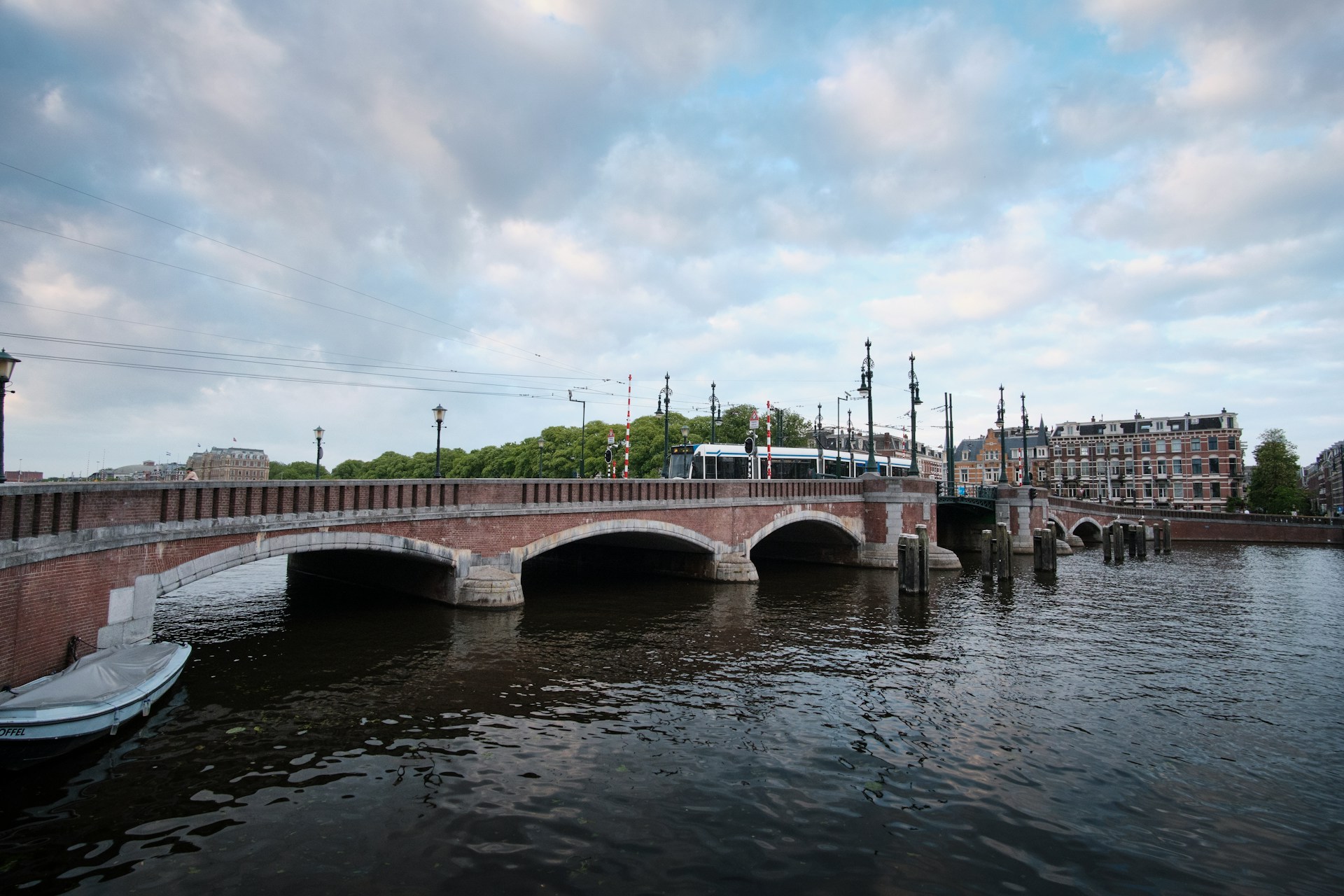
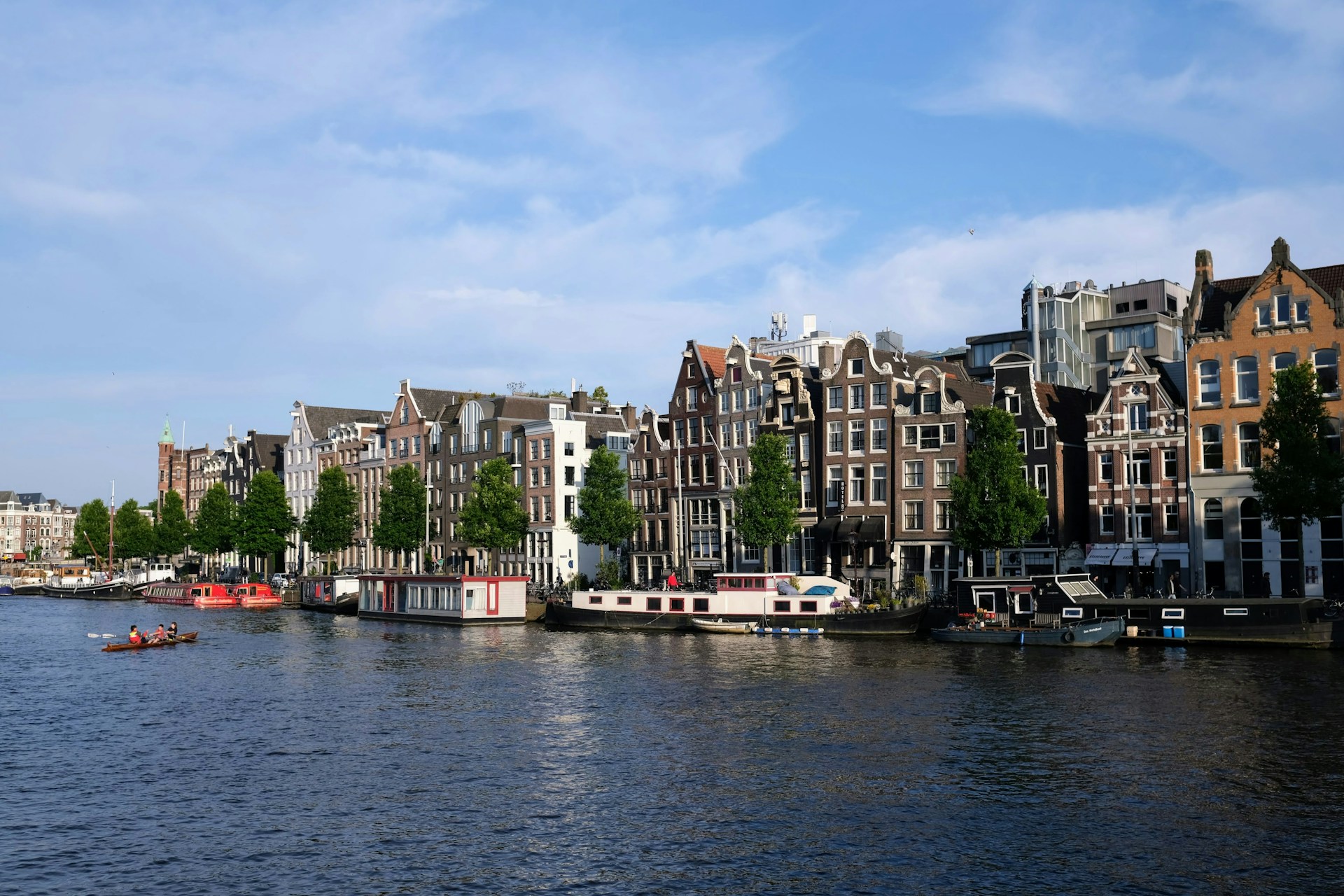
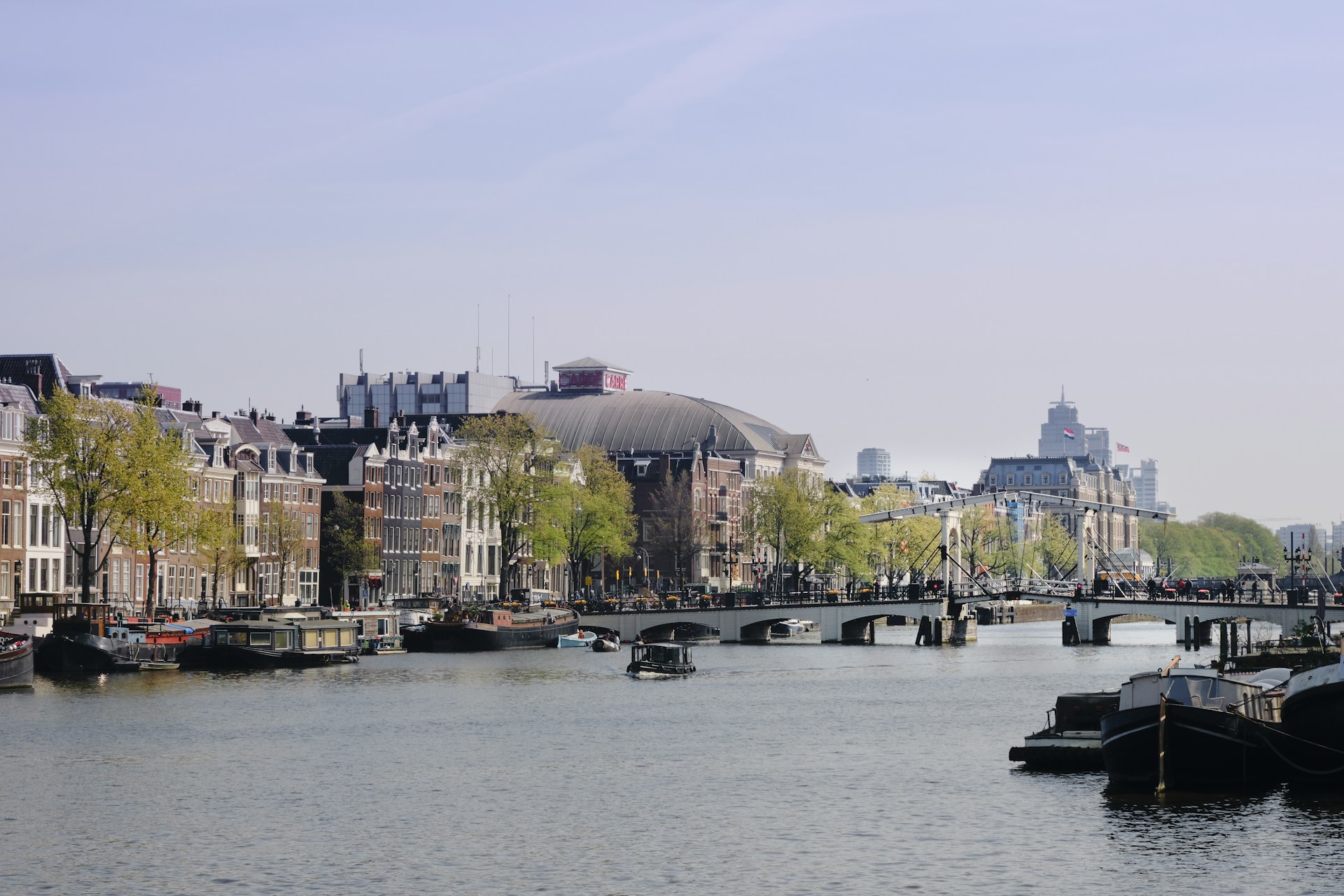
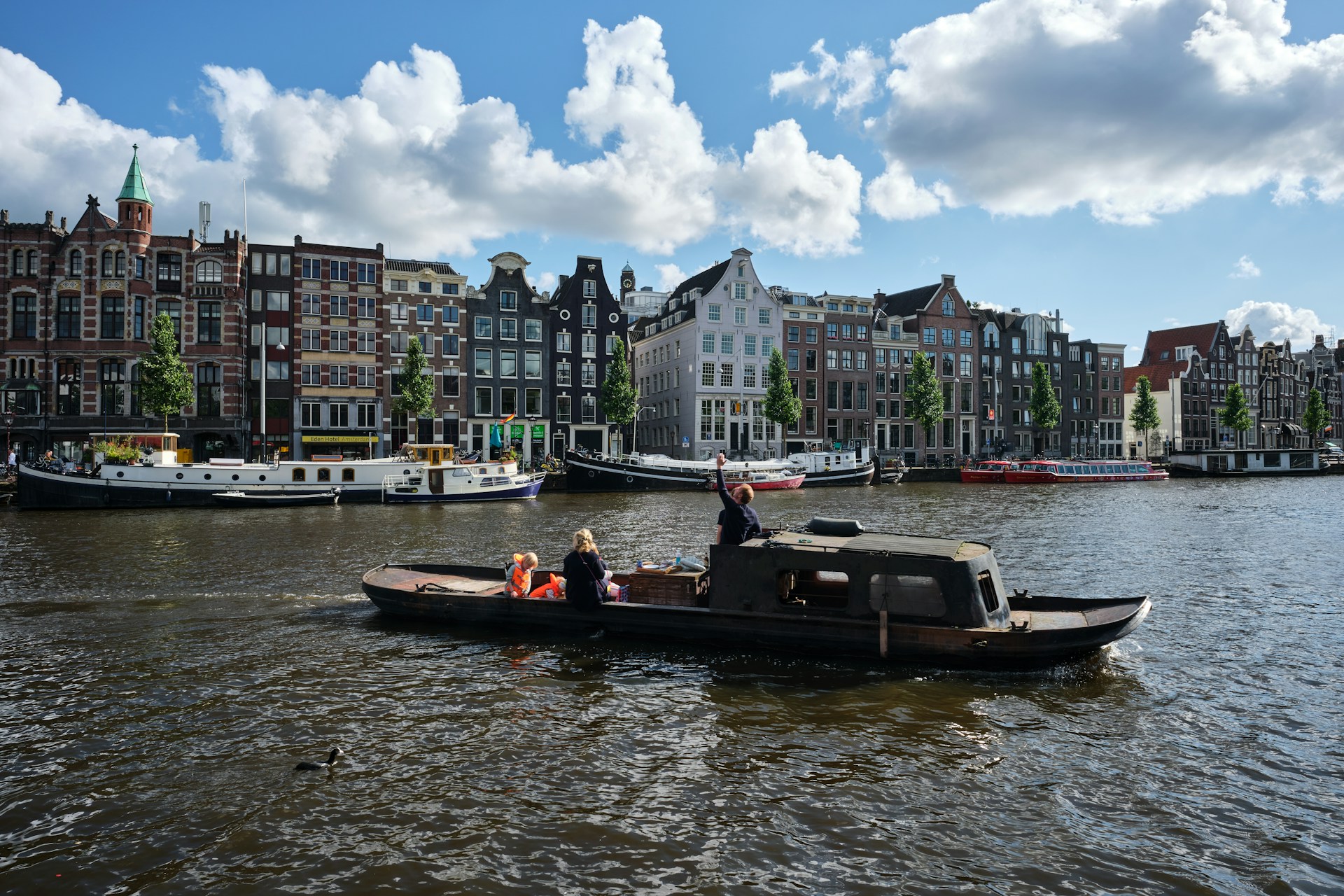
These photos also demonstrate how the light and seasons change the mood of the river throughout the year. You see the sun illuminating the stately facade of the Amstel Hotel and the romantic glow of bridge lights on the dark water at night. Whether you want to find the spot where the Liberation Day concert is held or simply admire the historic locks, this collection highlights why the Amstel remains the city’s most scenic promenade.
Did You Know?
Mayor Johannes Hudde designed the historic brick locks in 1673 to control tidal water and flush the city canals.
Location & Access
Getting to this majestic river is effortless, as it flows right past the Waterlooplein and forms the eastern border of the central canal ring. While it feels like a grand, open expanse, the Amstel is only a short stroll from major attractions like Rembrandtplein and the Hermitage, making it the perfect scenic route for a tour of the city.
Did You Know?
The famous painter Rembrandt van Rijn frequently sketched the river landscape and lived near its banks during his later years.