



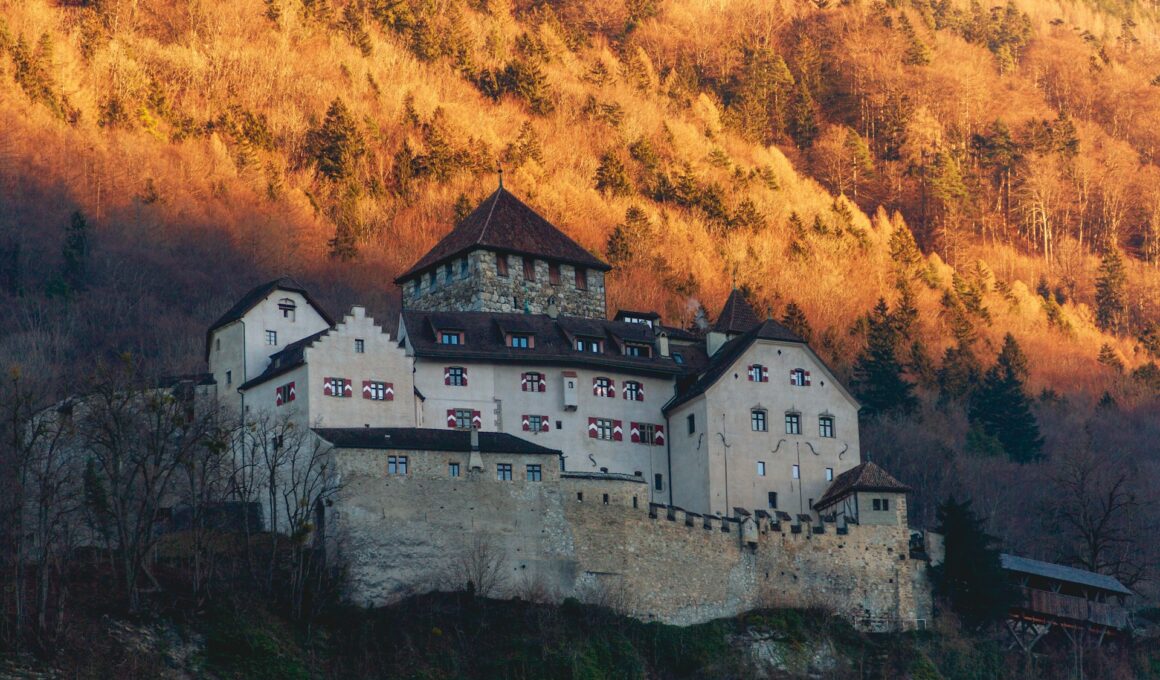
Vaduz Castle is a historic medieval fortress perched roughly 120 meters above Liechtenstein’s capital city. Positioned on a prominent hillside, the stronghold overlooks the scenic urban center of Vaduz and the sweeping terrain of the Rhine Valley below. It serves as both an iconic geographical landmark and the official, private residence of the country’s reigning princely family.
Dating back to the 12th century, the castle holds deep historical significance as a symbol of national sovereignty and the seat of the royal house. Because it remains an active family home, the grand interiors are entirely closed to the general public throughout the year. Visitors instead make the uphill trek to admire the exterior medieval keep, read the informative historical placards along the route, and capture panoramic views of the surrounding Swiss and Austrian Alps.
Did You Know?
The earliest historical records of this stone fortress date back to 1322 when documents first mentioned the structure under the ownership of the counts of Werdenberg.
History of the Vaduz Castle
Vaduz Castle originated during the High Middle Ages as a strategic military fortress. While historical documents first officially mentioned the stronghold in 1322, architectural evidence reveals that workers built the oldest parts of the structure around the 12th century. The counts of Werdenberg initially owned the castle, constructing its massive medieval keep with defensive walls up to four meters deep to secure control over the regional trade routes.
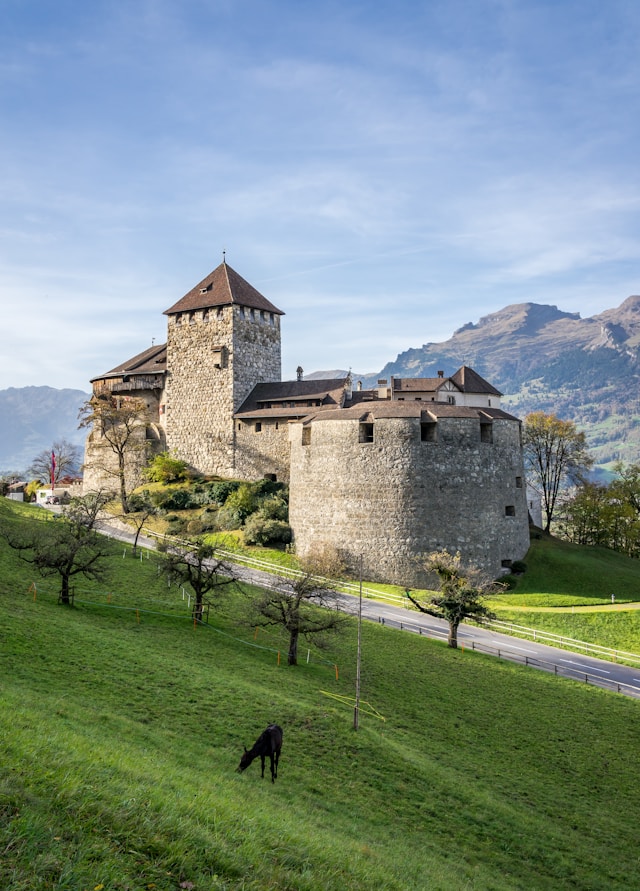
The structure changed hands and faced severe destruction over the subsequent centuries. Swabian troops burnt down major portions of the fortress during the Swabian War of 1499. The local population slowly rebuilt and expanded the defensive walls to withstand emerging artillery fire, adding the prominent round tower later that same year. The Princely House of Liechtenstein eventually purchased the property in 1712 along with the entire county of Vaduz to secure a seat in the Holy Roman Empire.
Despite owning the fortress, the princely family did not live in the building for more than two centuries. The structure fell into a long period of neglect and decay while successive rulers preferred to reside in their lavish palaces in Vienna. A turning point occurred in the early 20th century when Prince Johann II initiated a comprehensive restoration program to save the crumbling walls. Prince Franz Josef II then moved his permanent official residence to this hillside fortress in 1938, transforming it into the active center of national political life.
Today, Vaduz Castle stands as a powerful living symbol of Liechtenstein’s national sovereignty and rich cultural heritage. Because it remains the active, private home of the reigning princely family, the grand interiors are entirely closed to public tours throughout the year. Visitors instead make the short uphill trek from the capital city center to admire the historic stone exterior, read educational placards along the path, and enjoy panoramic views of the Swiss and Austrian Alps.
Did You Know?
The princely house of Liechtenstein purchased the property in 1712 along with the entire county of Vaduz to expand their geographic territorial holdings in Europe.
What to Expect
Because Vaduz Castle is an active royal residence closed to the general public, many travelers mistakenly think there is nothing to see and skip the climb entirely. However, treating this fortress as a mere distant photo opportunity means missing out on the rich, accessible history and spectacular vantage points that define the Liechtenstein experience. Planning your walk around the exterior layout ensures you capture the best architectural details and alpine perspectives the capital has to offer.
The Medieval Keep
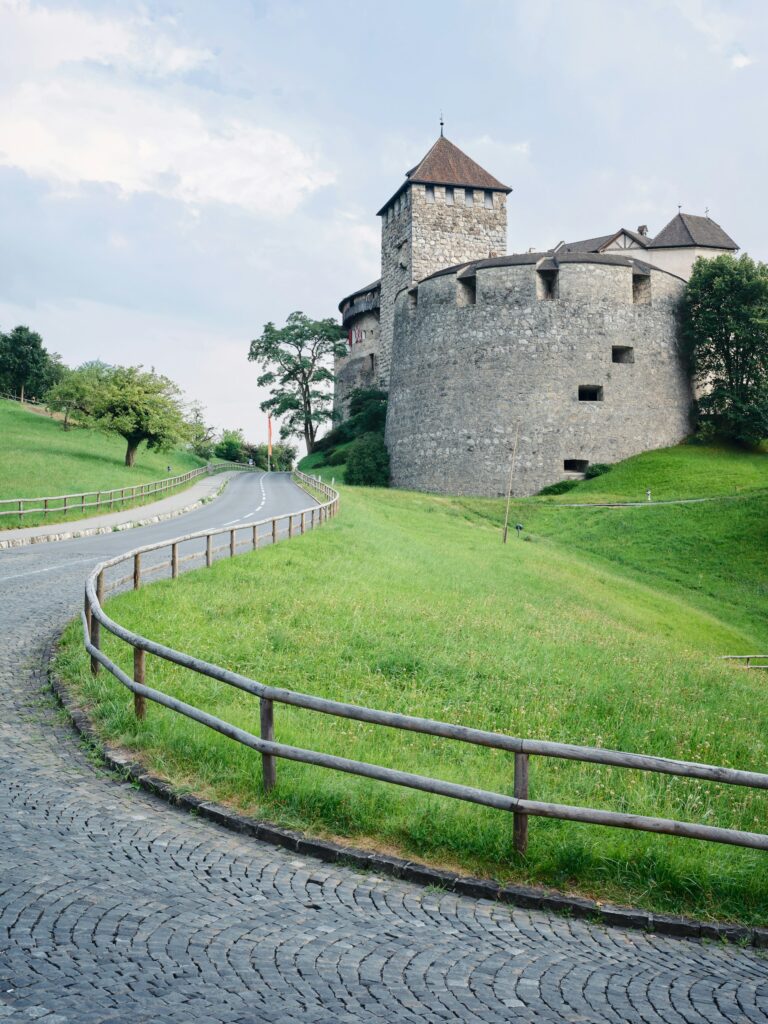
This massive stone tower represents the oldest surviving portion of the entire fortress complex. Its defensive walls measure up to four meters thick and showcase the original 12th-century masonry designed to withstand heavy regional sieges.
The Round Tower
Workers constructed this large circular bastion immediately after the destructive Swabian War of 1499. The tower stands as a prominent architectural highlight on the northeastern side and serves as a powerful symbol of the castle’s Renaissance-era reconstruction.
The Historical Trail
This dedicated walking path leads travelers directly from downtown Vaduz up to the fortress gates. The route features a sequential series of educational information plaques that explain the political history of the princely house and the country.
The Rhine Valley Viewpoint
This scenic observation area along the castle perimeter wall provides an unobstructed view of the capital below. Visitors can look out across the border to see the dramatic contrast between the flat river valley floor and the towering Swiss Alps.
Did You Know?
Swabian troops burnt down major portions of the fortress during the Swabian War of 1499 before the local population slowly rebuilt the structural walls.
Image Library
Use these images to better understand the defensive scale, ancient craftsmanship, and storybook charm of the castle before your walk or to revisit your favorite vantage points afterward.
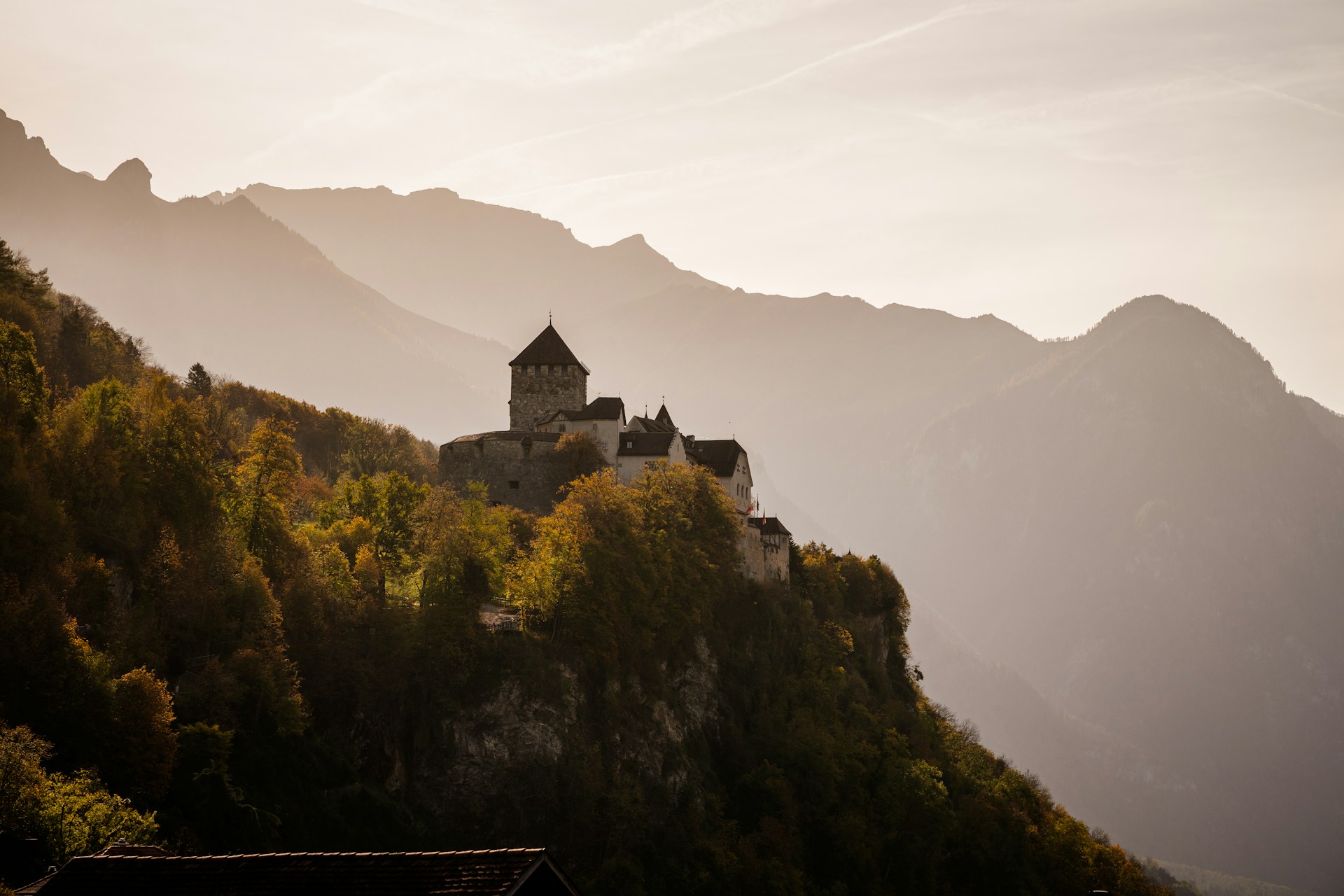
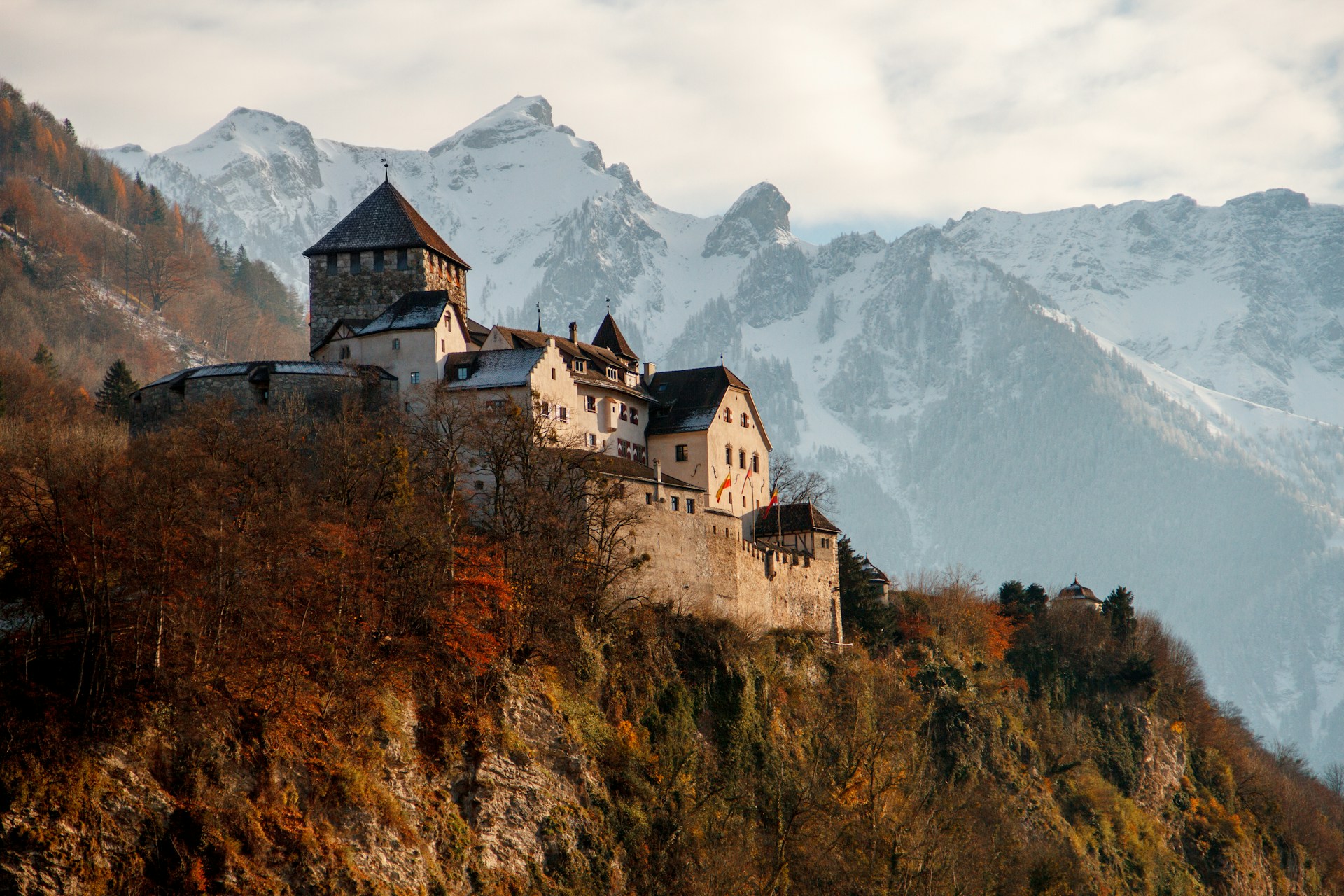
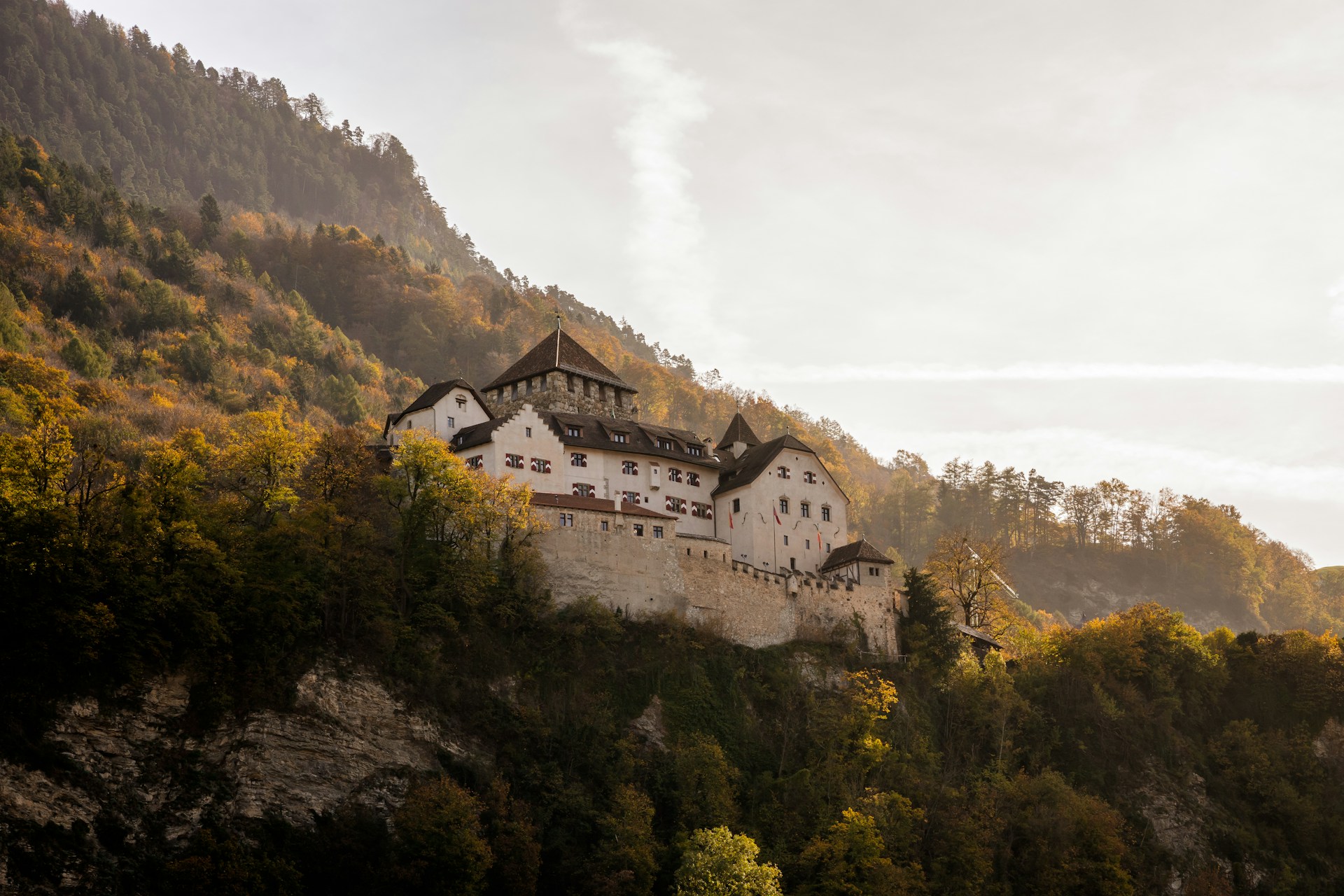
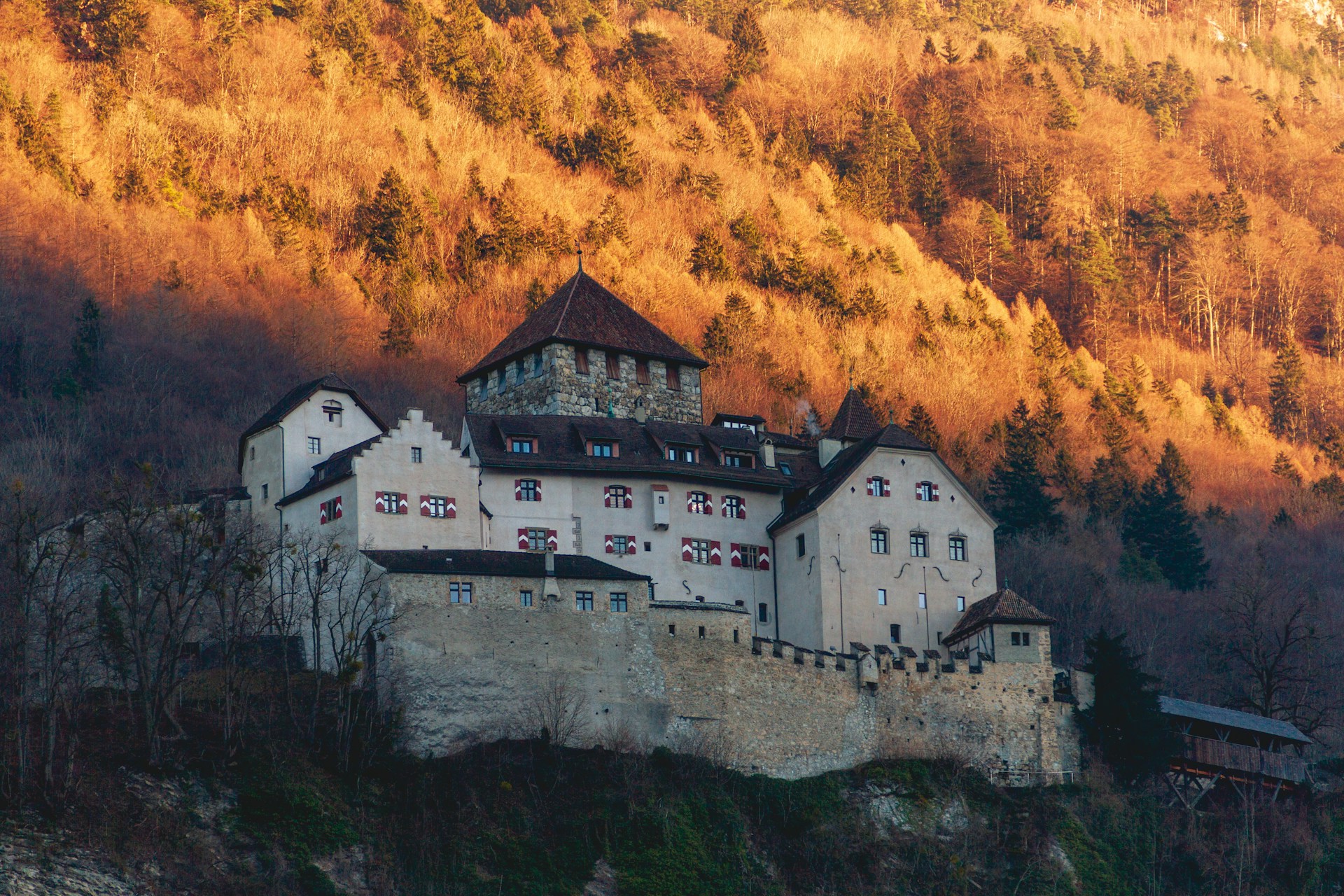
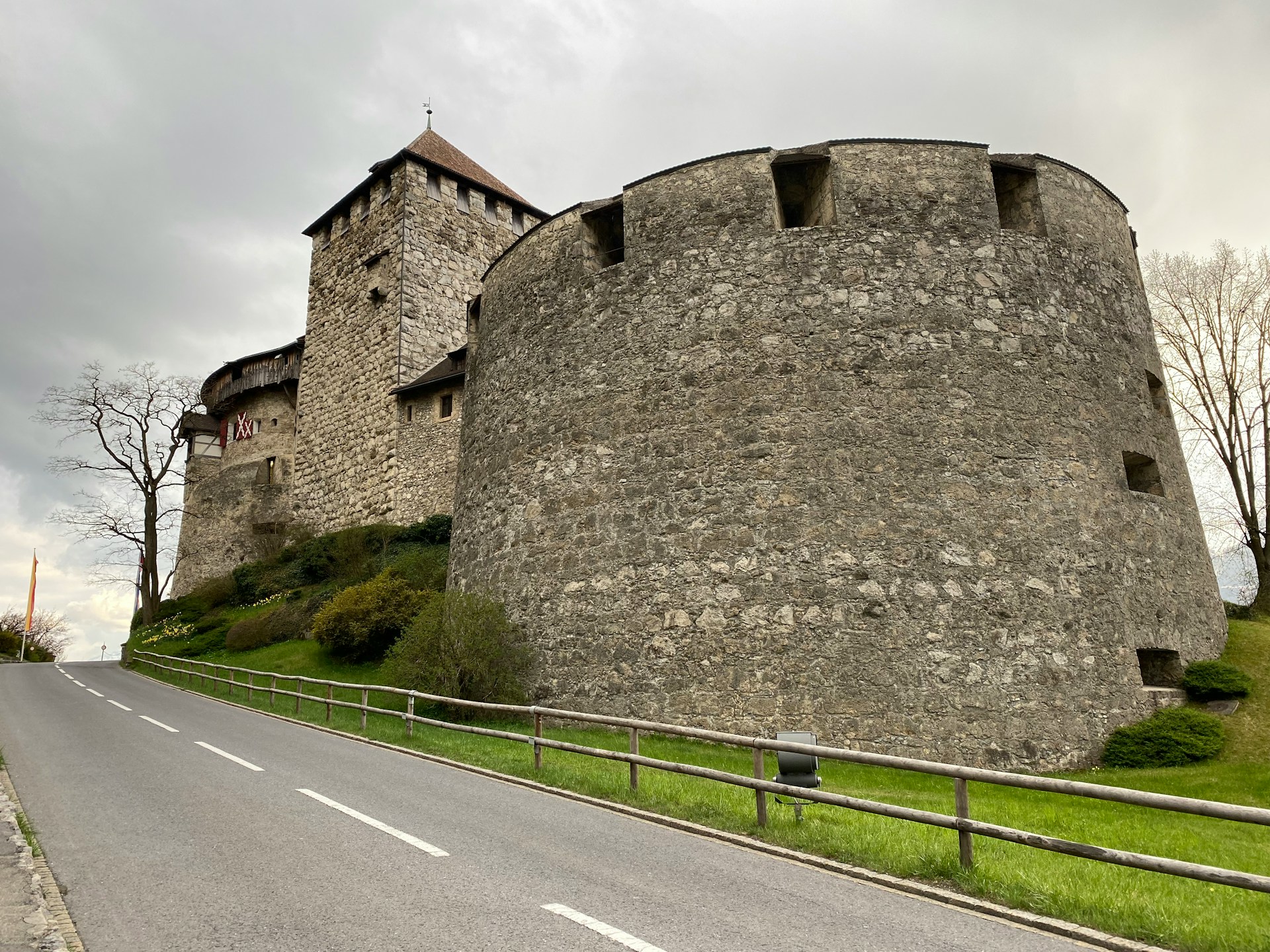
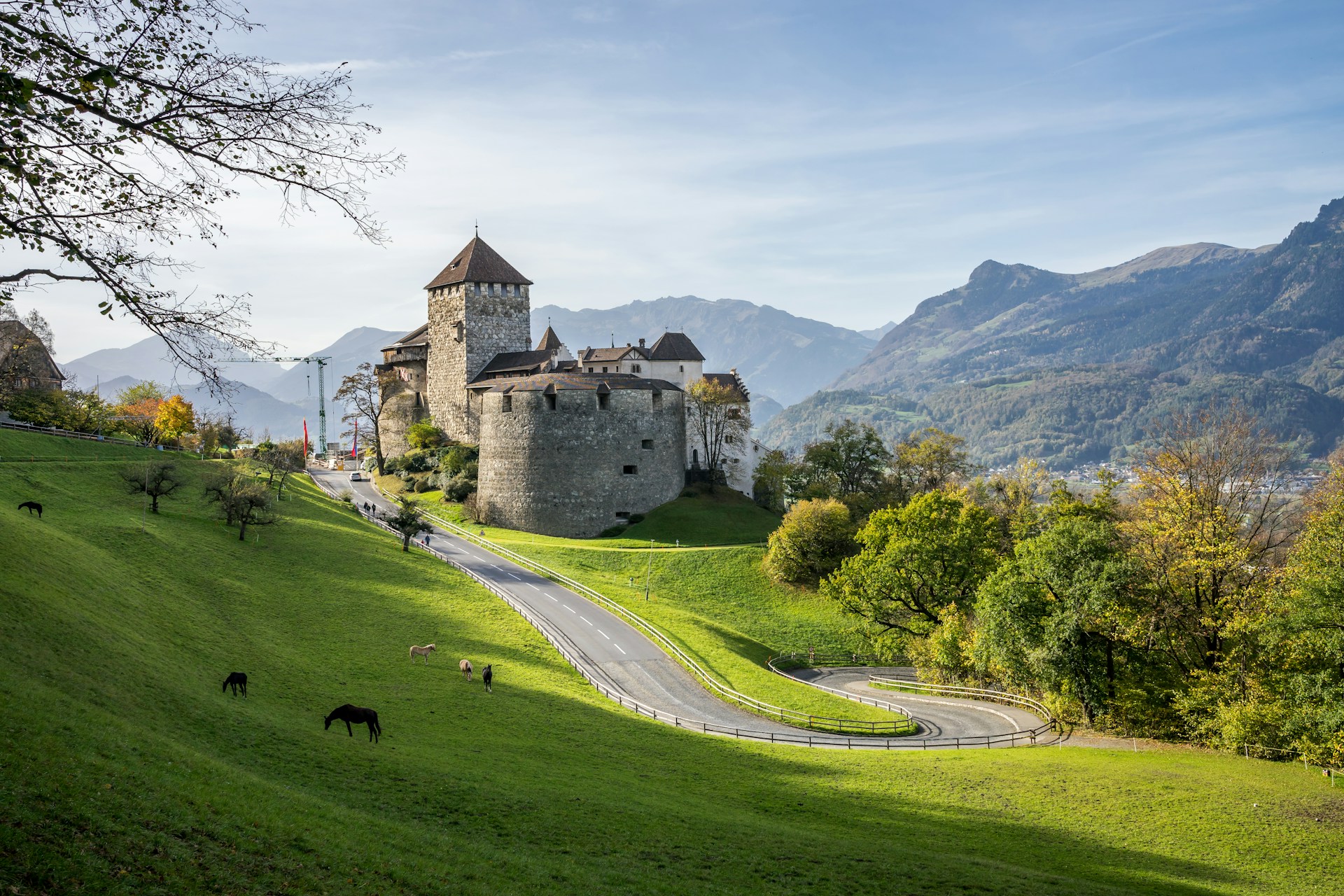
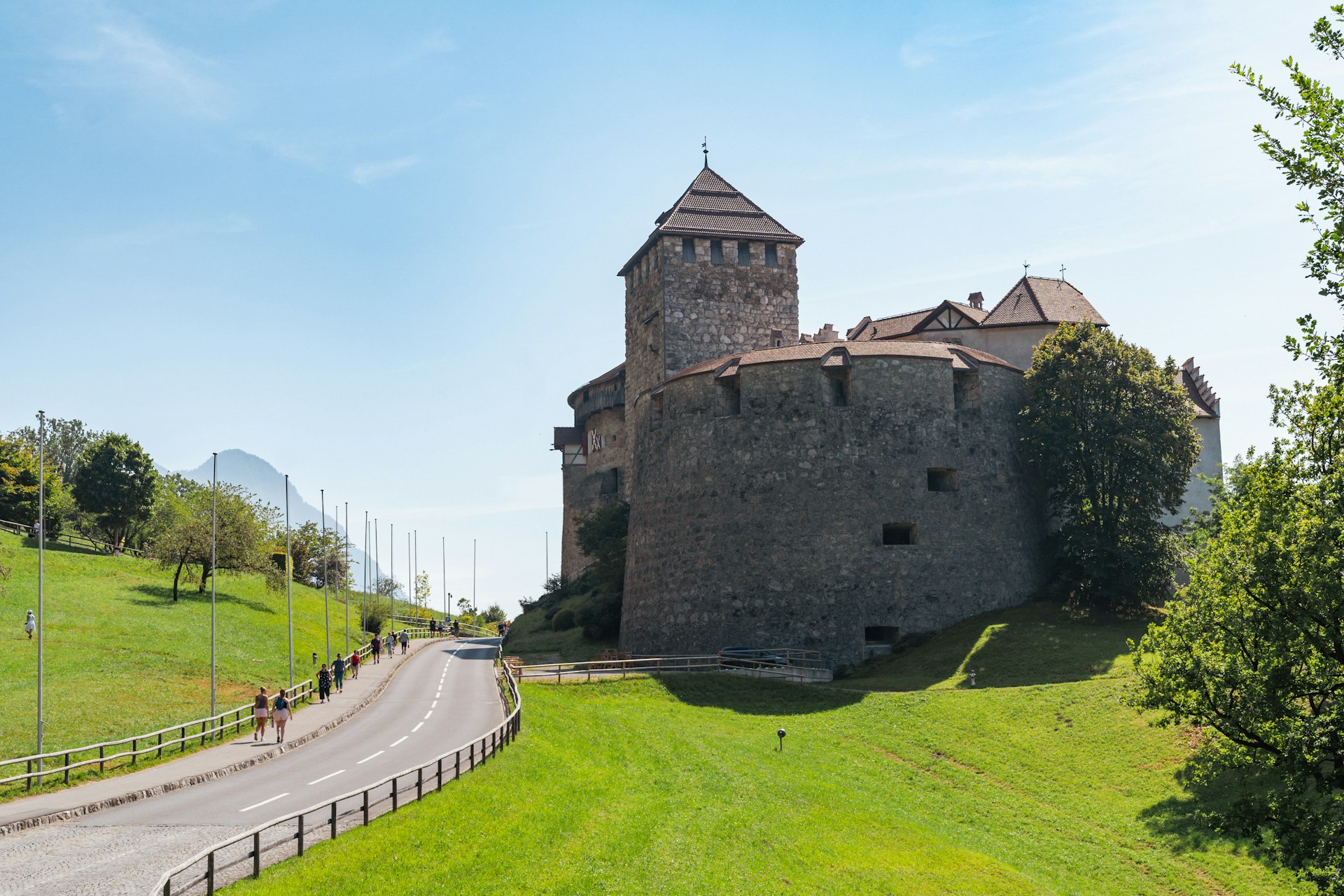
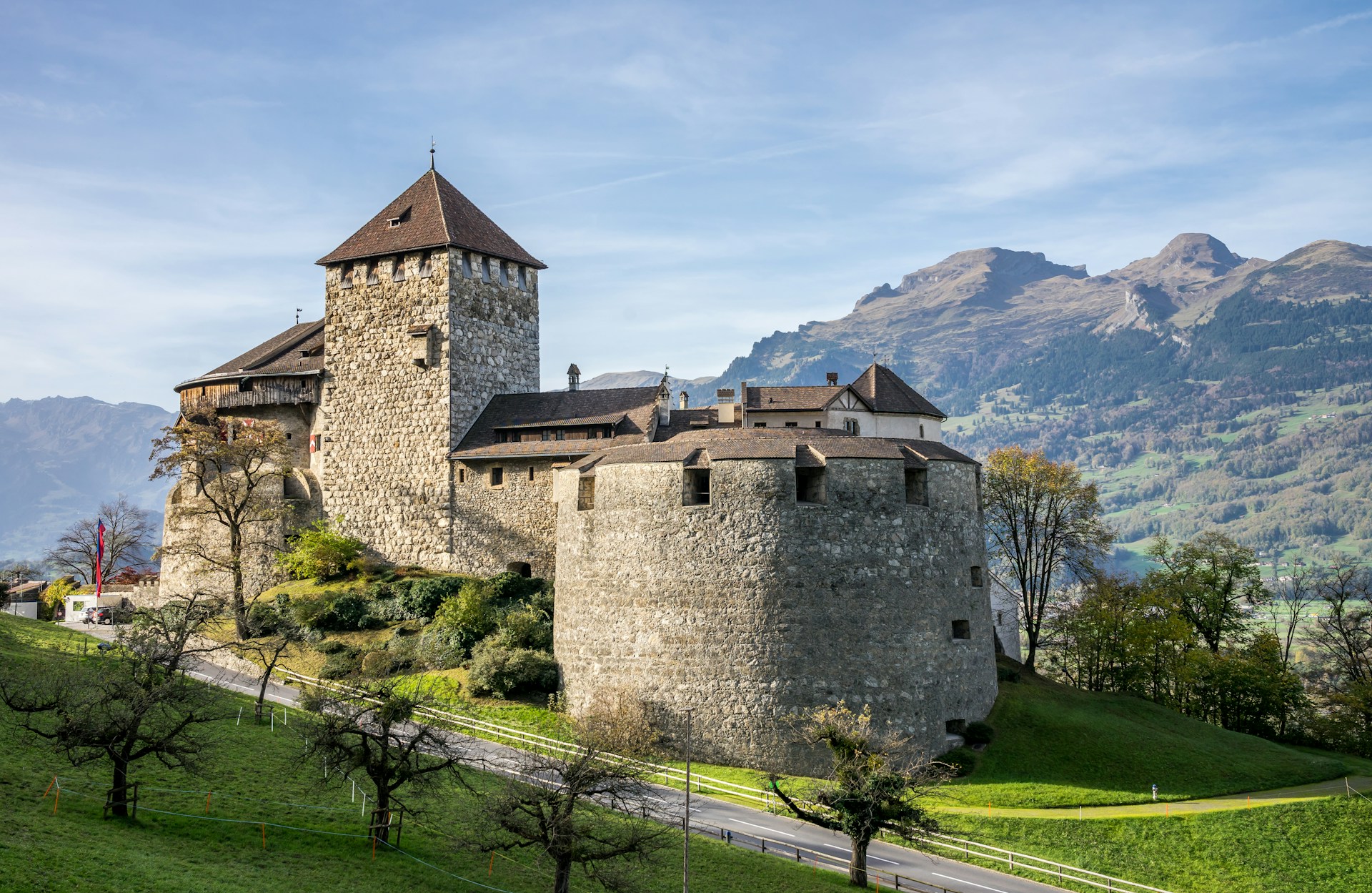
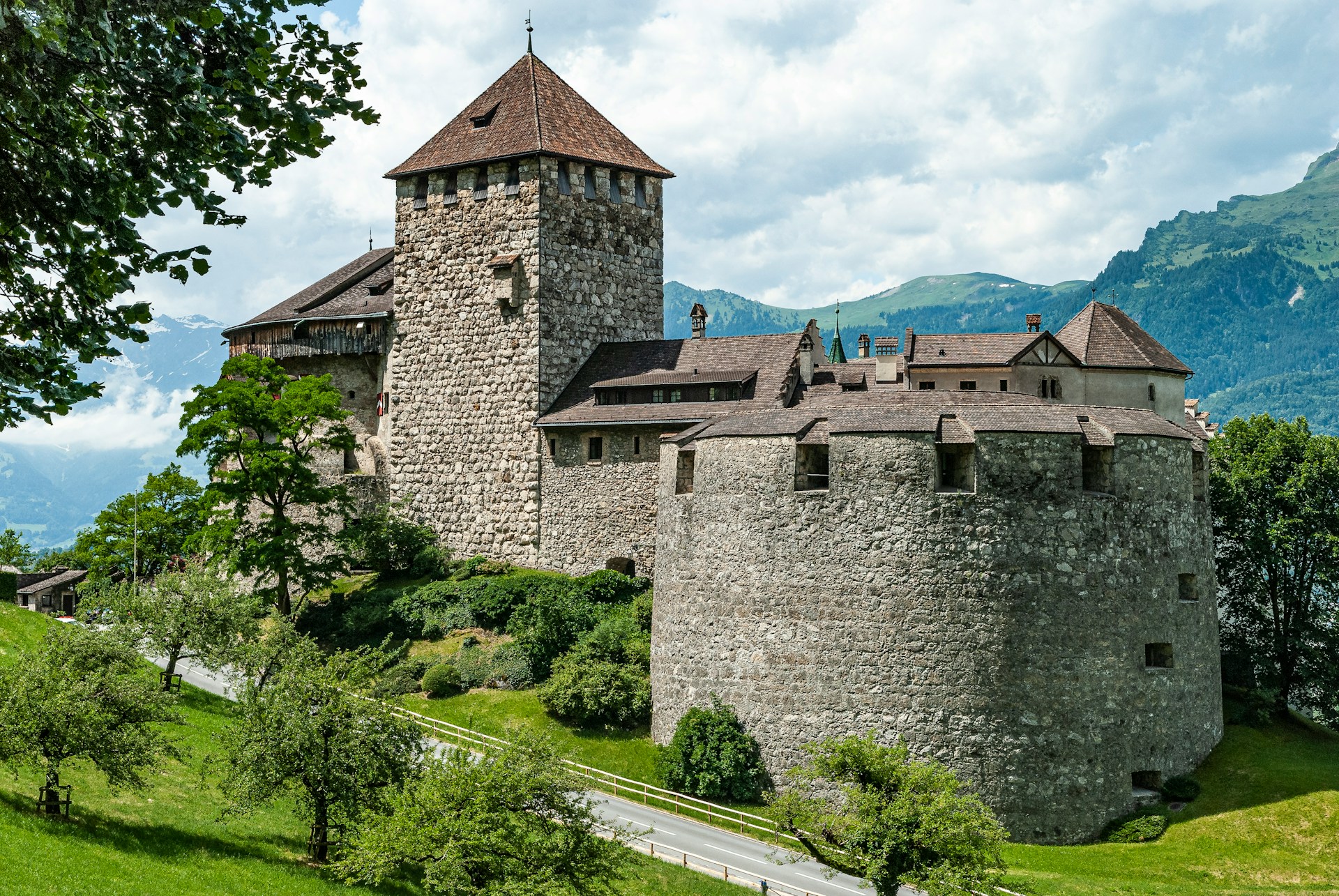
The photos highlight key features such as the thick walls of the 12th-century medieval keep, the robust round tower added in 1499, the classic wooden gates, and the distinctive architectural textures that define this royal fortress.
Did You Know?
The castle serves as the official private residence of the reigning princely family so the public cannot tour any of the indoor living spaces or rooms.
Book Tickets & Activities
Because Vaduz Castle remains an active royal residence, standard admission tickets do not exist, and independent tours of the interior are completely unavailable to the public. Instead, visitor activities are entirely free and focus on the exterior grounds, starting with a scenic 20-minute uphill hike from downtown Vaduz along a dedicated historical trail equipped with educational narrative plaques.
While you cannot pass the main gates, popular activities include exploring the perimeter paths to photograph the medieval architecture and taking in panoramic viewpoints over the Rhine Valley.
Did You Know?
Workers constructed the massive round tower in 1499 with thick protective walls that measure up to four meters deep to withstand intense artillery fire.
Location & Access
Vaduz Castle sits on a forested hillside roughly 120 meters above the capital city of Vaduz in central Liechtenstein. Because the nation shares an open border with Switzerland, arriving here is seamless.
The most rewarding way to access the castle grounds is by walking the Schlossweg. This dedicated pedestrian path starts near the main roundabout in downtown Vaduz and takes about 20 to 30 minutes to climb.
The trail is steep but paved, and it features multiple educational plaques about the country’s history along the route. For those unable to make the uphill hike, the castle is also accessible by car via Feldstrasse, which passes the regional princely vineyards and leads to a public road right outside the main gate.
Did You Know?
Prince Franz Josef II moved his permanent official residence to this hillside fortress in 1938 to make it the active center of national political life.
Practical Information
Preparation is the key to a smooth trip to Vaduz Castle, as this iconic landmark operates very differently from standard European tourist attractions. Because the fortress functions as a private, working palace rather than a public museum, visitors must adapt their expectations regarding access, timing, and sightseeing.
Accessibility & Practical Info
- Admission and Hours: There are no tickets, entry fees, or opening hours for the castle grounds because the interior remains completely closed to the general public.
- The Walking Route: The primary access path, the Schlossweg, is a paved but steep 120-meter incline from downtown Vaduz that takes 20 to 30 minutes to climb.
- Physical Mobility: While the trail is obstacle-free and technically wheelchair accessible, manual wheelchair users and anyone with limited mobility will require assistance due to the steep slope.
- Alternative Transport: Travelers who cannot hike can take a vehicle up Feldstrasse to a convenient public parking area located just past the main castle gates.
- Alternative Virtual Activities: To see inside the restricted rooms, you can buy a ticket at the Old Cinema Vaduz in the town center to watch a short cinematic tour called Princely Moments.
Tips & Warnings
- Respect Royal Boundaries: The castle is the active home of the Prince of Liechtenstein, meaning visitors must stay strictly behind the main gates and perimeter fences.
- No On-Site Facilities: There are no public restrooms, cafes, or water fountains at the top of the hill, so use the facilities in the downtown pedestrian zone before starting your ascent.
- Winter Weather Hazards: Snow and sub-freezing temperatures make the steep cobblestone and paved paths highly slippery during winter, requiring sturdy footwear with excellent grip.
- Avoid Midday Summer Heat: The uphill walk features limited shade, so avoid making the trek during peak summer afternoons when temperatures frequently reach up to 28°C.
- National Day Access: If you plan your trip for August 15, the national holiday, the princely family opens the palace gardens to all citizens for a massive public reception.
Photography Tips
- Step Back for Better Composition: The closest areas next to the castle walls are heavily obstructed by trees, meaning the best panoramic shots of the architecture actually happen from further down the hillside path.
- Golden Hour and Sunset: The ancient stone masonry reacts beautifully to the warm tones of evening light, making sunset the ideal window for capturing the castle against the Alps.
- Dramatic Night Illumination: After dark, powerful spotlights illuminate the fortress, creating a dramatic silhouette that is best photographed from the valley floor in downtown Vaduz.
- The Left-Side Train View: If you arrive in the region by train, sit on the left side of the carriage during the early morning to capture the fortress emerging through the low mountain fog.
- Rhine Valley Panorama: Stand at the designated observation ledge along the perimeter trail to get an unobstructed wide-angle shot contrasting the flat valley floor with the towering peaks of the Swiss Alps.
Did You Know?
The fortress safely housed the priceless princely art collection during the Second World War to protect the historic masterpieces from potential conflict and theft.
Contact Details
For general information about the museum, the collection, our program and activities:
E-mail: info@liechtenstein.li
Phone: +423 239 63 63
Website: https://tourismus.li
Address:
Bergstrasse 2,
9490 Vaduz,
Liechtenstein
Opening Hours: The exterior grounds surrounding Vaduz Castle are accessible 365 days a year.
Please check the official website for more details, since paths may vary based on weather conditions or during national holiday events on August 15. The interior of the castle serves as a private royal residence and remains completely closed to the public.
Did You Know?
The ruling prince invites all citizens of the country to the castle gardens every year on August 15 to celebrate the national holiday with a large reception.