



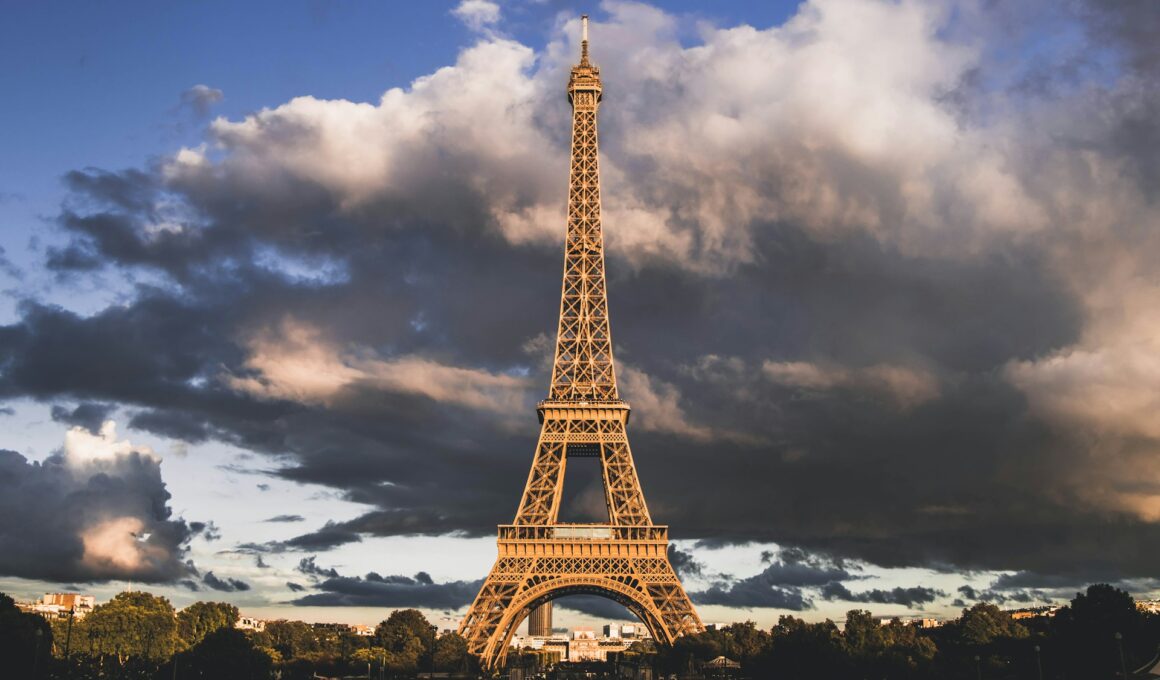
The Eiffel Tower is a massive wrought-iron lattice structure situated on the Champ de Mars in Paris, France. It stands adjacent to the Seine River, serving as a central orientation point within the city’s 7th arrondissement. Reaching a total height of 330 meters with its antennas, it remains one of the tallest and most recognizable structures in the French capital.
Gustave Eiffel’s company designed and built the tower as the temporary centerpiece for the 1889 World’s Fair. Today, travelers visit to ascend its three public levels, which house restaurants, small museum displays, and multiple viewing platforms. Reaching the highest observation deck rewards you with sweeping, unobstructed panoramas of the historic cityscape below.
Did You Know?
The sun heats the iron structure and causes it to expand. This thermal expansion makes the tower grow up to fifteen centimeters taller during the hot summer months.
History of the Eiffel Tower
The French government wanted a spectacular centerpiece for the 1889 World’s Fair. They chose a daring design by engineer Gustave Eiffel. The plan was to build a massive, 300-meter iron lattice tower. Many Parisians hated the idea at first. Famous writers and artists even signed a petition to stop its construction. They called the design a giant black smokestack that would ruin the city. Despite the loud protests, Eiffel pushed forward with his ambitious vision.
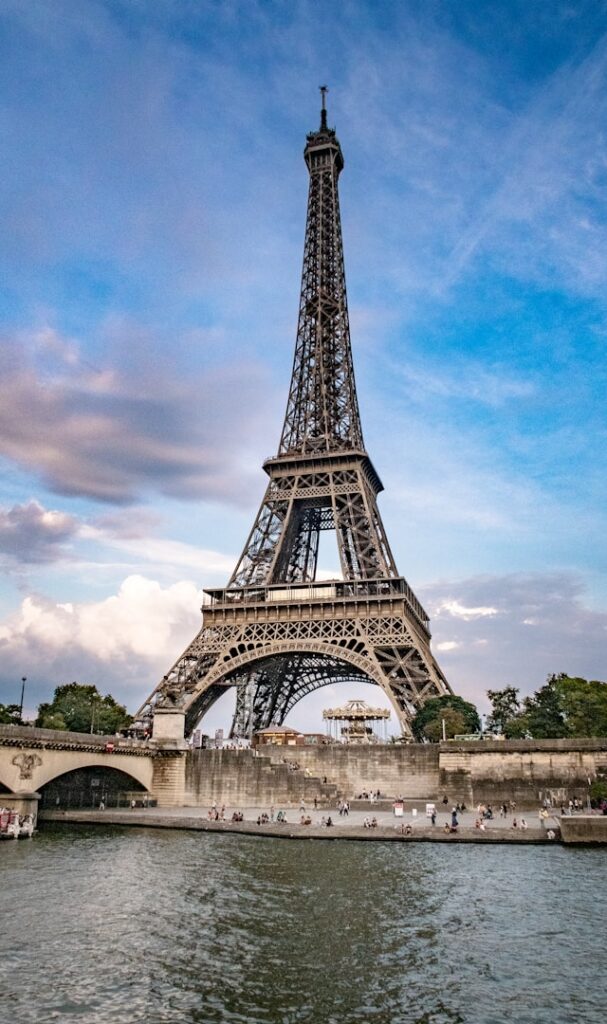
Construction took just over two years. Workers assembled more than eighteen thousand individual iron pieces with millions of rivets. When the fair opened, the tower was a massive success. Millions of visitors paid to ride its innovative elevators to the sky. However, the monument was only meant to be temporary. The city planned to tear it down after its twenty-year permit expired. Gustave Eiffel had to prove his tower was useful to save it from the wrecking ball.
Eiffel encouraged scientific experiments to make the structure indispensable. He installed a meteorology lab and a giant wind tunnel. The real savior of the tower, however, was the invention of wireless telegraphy. The French military quickly realized the extreme height made a perfect radio antenna. During the First World War, the tower intercepted crucial enemy messages. This strategic importance ensured the monument became a permanent, protected part of the Paris skyline.
Today, the Eiffel Tower is a universal symbol of France. It welcomes nearly seven million travelers from around the world every year. Visitors can explore three different levels to learn its history and see incredible views. A dedicated team repaints the ironwork by hand every seven years to prevent rust and preserve the structure. At night, thousands of sparkling lights turn the historic monument into a romantic beacon. It remains a brilliant masterpiece of 19th-century engineering.
Did You Know?
Workers apply sixty tons of specially mixed brown paint by hand every seven years. This massive effort prevents the fragile iron lattice structure from rusting away completely.
What to Expect
Visiting the Eiffel Tower can be overwhelming due to its massive scale and dense crowds, making a solid plan essential before you arrive. Knowing exactly what features to look for ensures you maximize your time and avoid overlooking the monument’s rich historical details. By taking note of these key highlights, you can transform a simple elevator ride into a comprehensive journey through 19th-century engineering and Parisian history.
The Esplanade
Start your visit directly beneath the massive iron legs to appreciate the sheer scale of Gustave Eiffel’s engineering marvel. Here you can also spot the historic hydraulic elevator machinery that has helped power the tower’s lifts since 1899.
The 72 Names of Scientists
Look closely at the metal borders of the first balcony to find the engraved names of prominent French scientists and engineers. Gustave Eiffel included these seventy-two golden inscriptions to publicly honor the men who made his ambitious architectural project mathematically possible.
The First Floor Glass Floor
The spacious first level features a modern, transparent glass walkway situated 57 meters above the ground. Walking across this clear surface offers a thrilling, unobstructed perspective of the esplanade and crowds directly below your feet.
Gustave Eiffel’s Secret Office
At the very top of the tower, you can peek into a small, restored apartment built exclusively for the famous engineer. The room features life-sized wax figures of Eiffel and Thomas Edison recreating a historic meeting from the 1889 World’s Fair.
The Summit Observation Deck
Ride the final glass-walled elevator 276 meters into the sky to reach the highest public observation platform in Paris. This dizzying open-air deck provides spectacular panoramic views where you can easily spot iconic landmarks like the Louvre and the Arc de Triomphe.
The Nighttime Illumination
Stick around after sunset to watch the entire iron lattice structure burst into a mesmerizing light show. Twenty thousand golden bulbs blink rapidly for exactly five minutes at the top of every hour to create a brilliant, glittering spectacle.
Did You Know?
City officials planned to tear down the structure after twenty years. Gustave Eiffel saved his masterpiece by adding a radio antenna to the very top.
Image Library
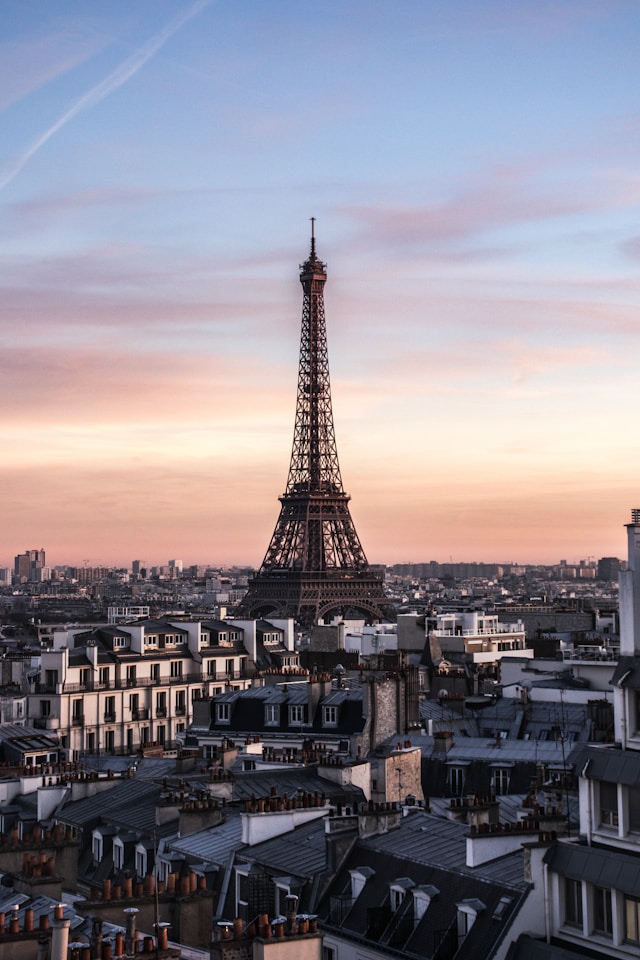
This image library brings together a complete visual overview of the Eiffel Tower, from its massive iron legs resting on the Champ de Mars to the breathtaking views at the summit. The photos highlight key features such as the intricate wrought-iron lattice, the transparent glass floor on the first level, the historic elevator mechanisms, and the brilliant architectural details that define the monument’s famous character.
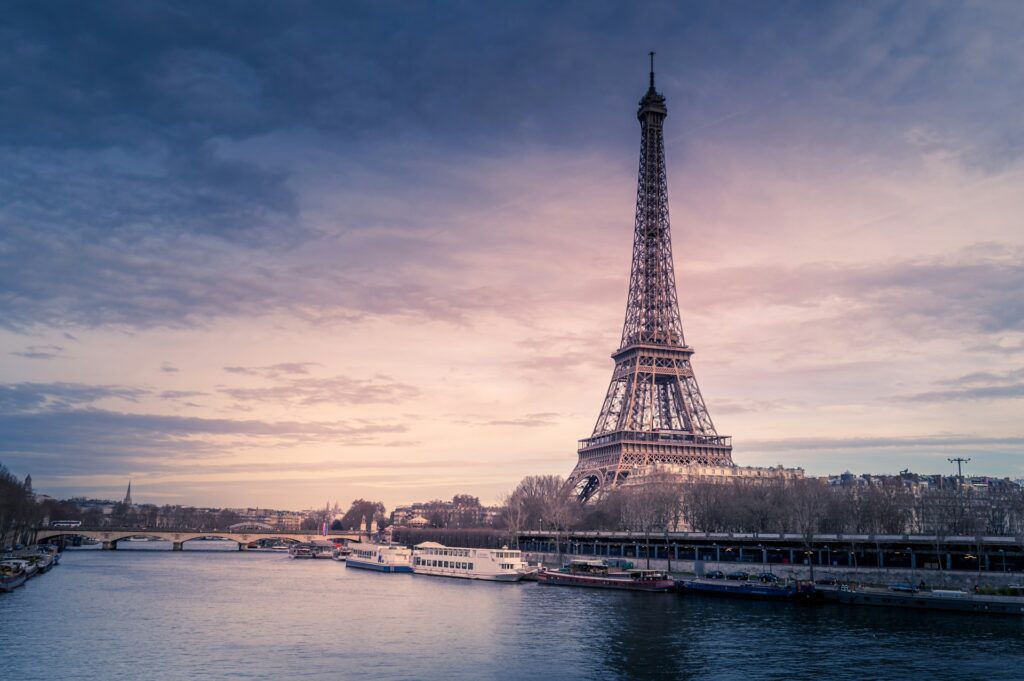
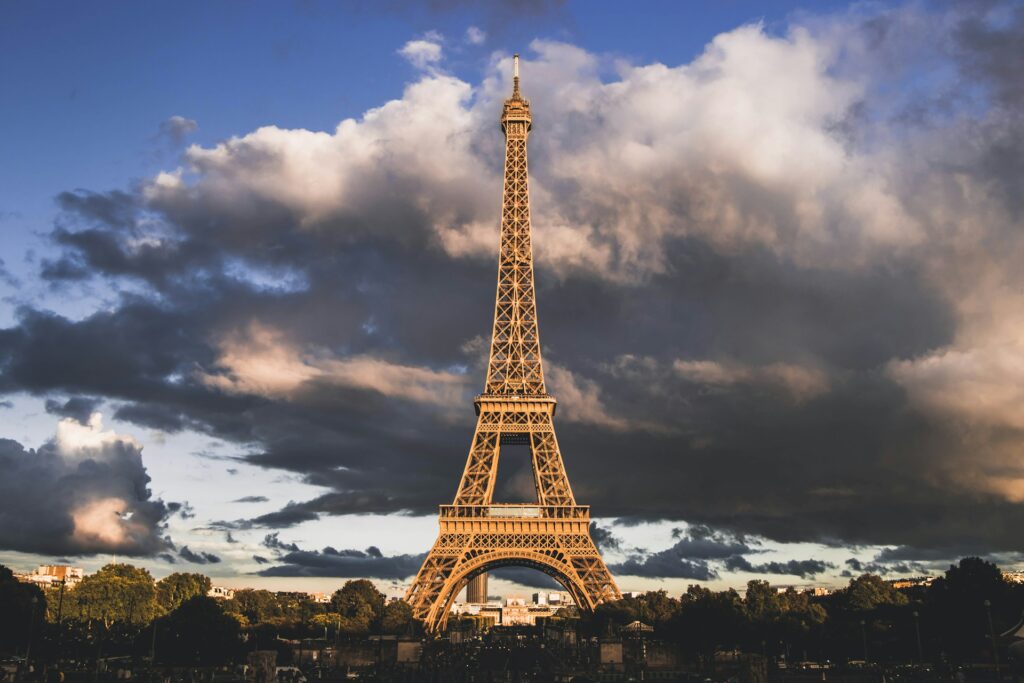
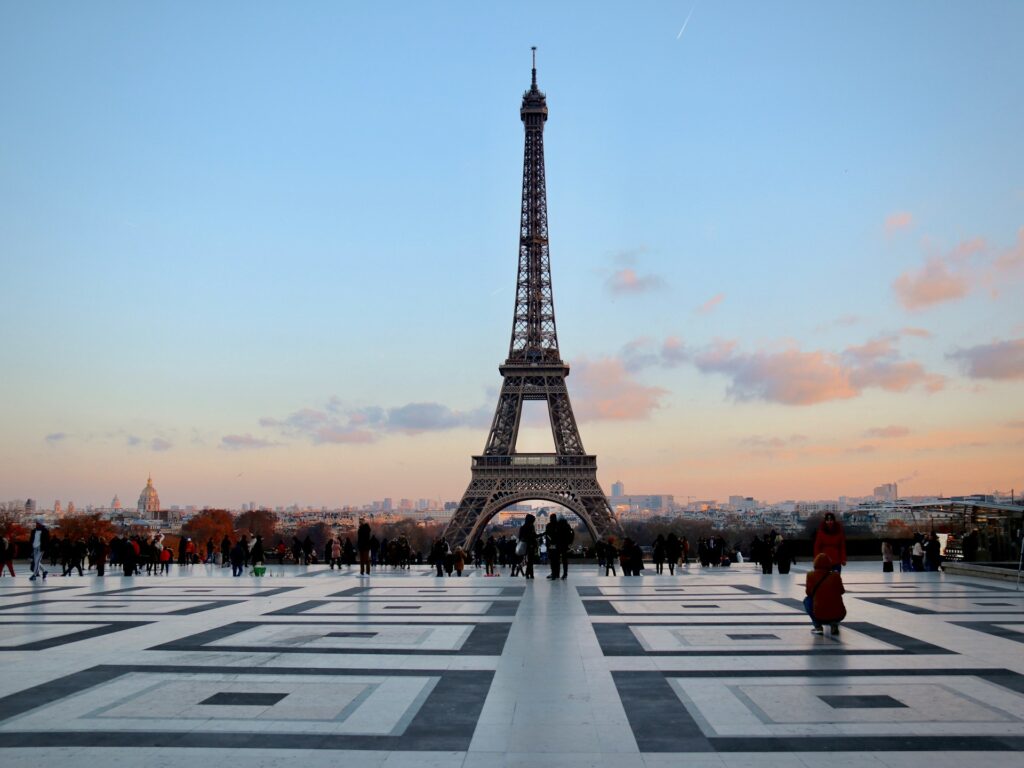
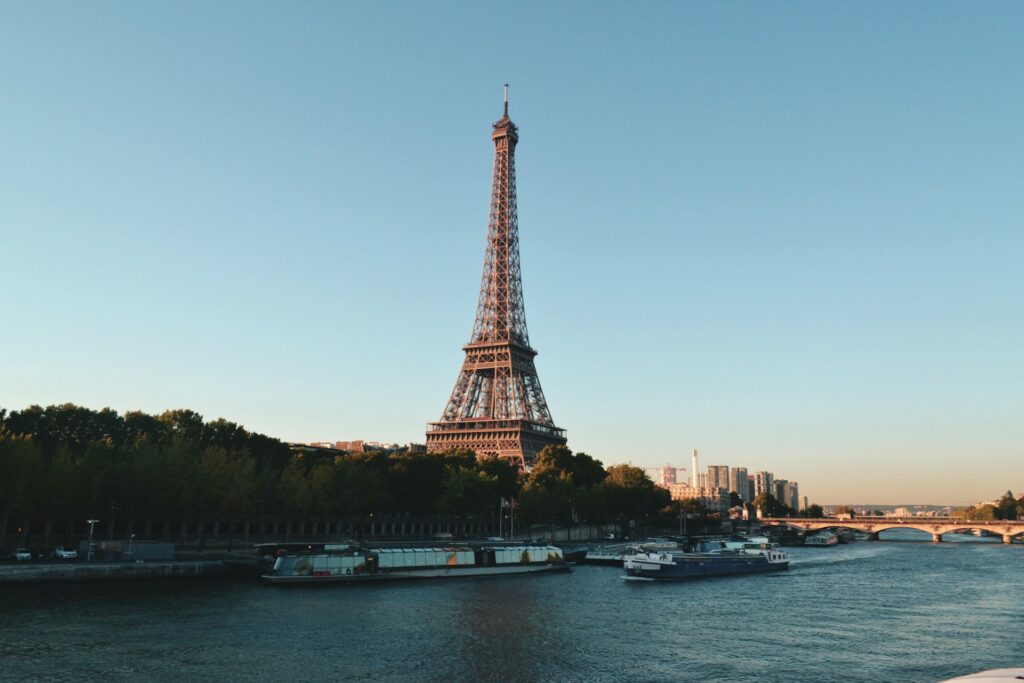
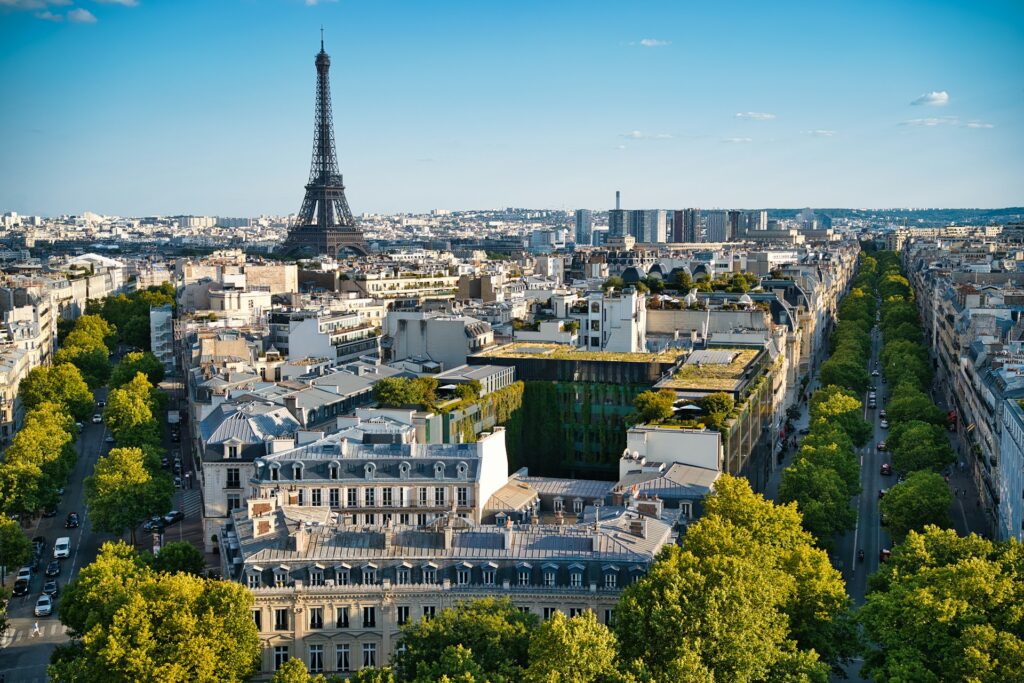
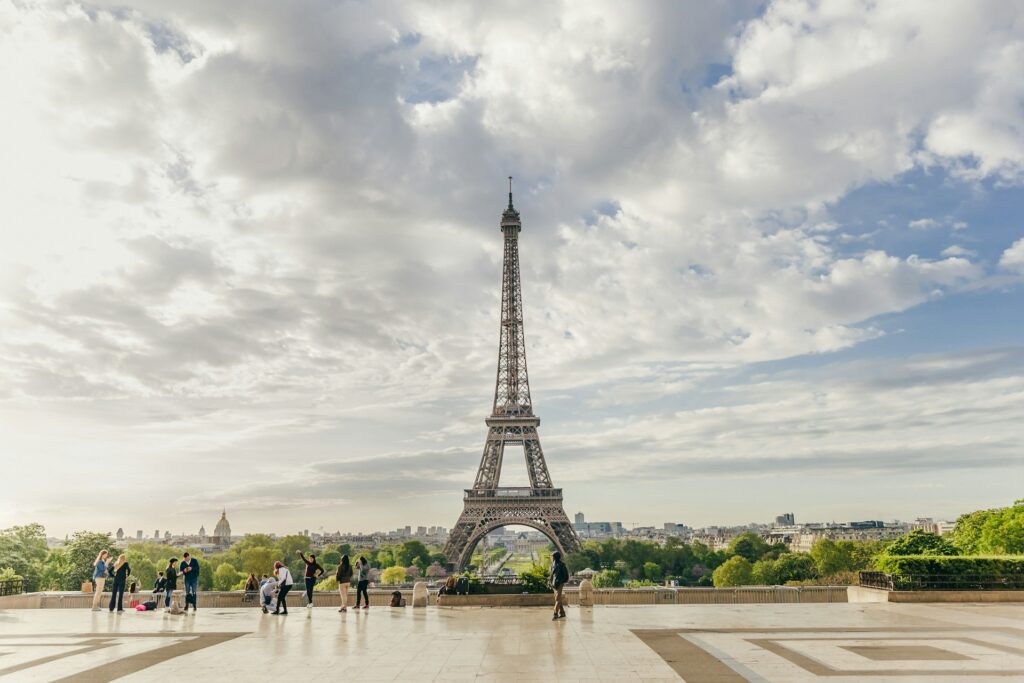
Use these images to better understand the enormous scale, complex design, and romantic atmosphere of the tower before your visit or to revisit your favorite details afterward. They also show how changing weather, the lively crowds at the nearby Trocadéro, and the famous golden light show shape the experience of this Parisian landmark at different times of the day and night.
Did You Know?
Gustave Eiffel built a private apartment at the highest level of the structure. He used this secret room to host famous guests like Thomas Edison.
Book Tickets & Activities
Securing your Eiffel Tower tickets well in advance is absolutely essential for a smooth visit. The official online box office opens 60 days ahead for elevator tickets and 14 days ahead for stair access. Because it remains one of the most popular monuments in the world, prime time slots sell out incredibly fast.
Booking online guarantees your preferred date and time. It also allows you to skip the notoriously long ticket-purchasing queues at the base. If you wait until the day of your visit, you risk standing in line for hours or missing out entirely.
Did You Know?
Gustave Eiffel engraved the names of seventy-two prominent French scientists and engineers across the metal borders of the first balcony to honor their incredible contributions.
Location & Access
The Eiffel Tower sits on the Champ de Mars in Paris’s 7th arrondissement and is easy to reach on foot from the Trocadéro and the École Militaire. There is no direct metro stop at the base, but Bir-Hakeim on Line 6 is about a 10-minute walk through central streets.
Several bus routes stop nearby, including the 42 and 82, with good connections from major train stations and other transport hubs.
The surrounding area is heavily congested with tourist foot traffic, so driving is not recommended. Parking is scarce and costly, and visitors are better off using public transport, taxis, or paid garages a short walk away.
Did You Know?
Twenty thousand special golden lightbulbs illuminate the towering metal structure every night. Electricians scale the steep framework regularly to replace the burnt out lighting elements.
Practical Information
A visit to the Eiffel Tower is a highlight of any Paris trip, but navigating the massive crowds and strict security requires a bit of planning. Knowing the layout, what to expect at the different levels, and how to time your photos will help you make the most of your experience while avoiding common tourist pitfalls.
Accessibility & Practical Info
- The esplanade, first floor, and second floor are fully wheelchair accessible via the tower’s large passenger elevators.
- For safety and emergency evacuation reasons, wheelchair users cannot access the summit observation deck.
- Free public restrooms, baby changing stations, and casual cafés are easily found on both the first and second levels.
- All visitors must pass through an airport-style security screening before entering the esplanade, even if you are just walking underneath.
Tips & Warnings
- Arrive at least 30 minutes before your reserved ticket time to ensure you clear the security checkpoints without rushing.
- Temperatures at the summit are significantly cooler and windier than on the ground, so pack a light jacket or extra layer.
- Stay alert and keep valuables secure. Pickpockets and aggressive souvenir vendors operate heavily around the base, the Champ de Mars, and the Trocadéro.
- Travel light. Large luggage and heavy backpacks are strictly prohibited, and there are no storage lockers available on site.
Photography Tips
- A wide-angle lens is incredibly helpful for capturing the sheer scale of the structure from the grassy lawns of the Champ de Mars.
- Head across the river to the raised plaza at the Trocadéro for the most iconic, unobstructed full-length photos of the monument.
- Capture the intricate iron lattice patterns by standing in the center of the esplanade and shooting directly up into the framework.
- Wait until after sunset to photograph the golden illuminations, and be ready at the top of the hour to catch the five-minute sparkling light show.
Did You Know?
A notorious con artist named Victor Lustig successfully sold the monument for scrap metal. He convinced greedy dealers to buy the landmark on two separate occasions.
Contact Details
For general information about the monument, its history, our visitor access and activities:
E-mail: serviceclients@toureiffel.paris
Phone: +33 892 70 12 39
Website: https://www.toureiffel.paris/en
Address:
Champ de Mars,
5 Avenue Anatole
France
75007
Paris
France
Opening Hours:
The Eiffel Tower is open 365 days a year. Please check the official website for more details, since opening hours may vary during the peak summer season or due to severe weather conditions.
Daily open from 09:30 to 23:45.
Did You Know?
Athletic visitors can climb exactly one thousand six hundred sixty five steps from the ground to the top. Most tourists choose the elevator instead.